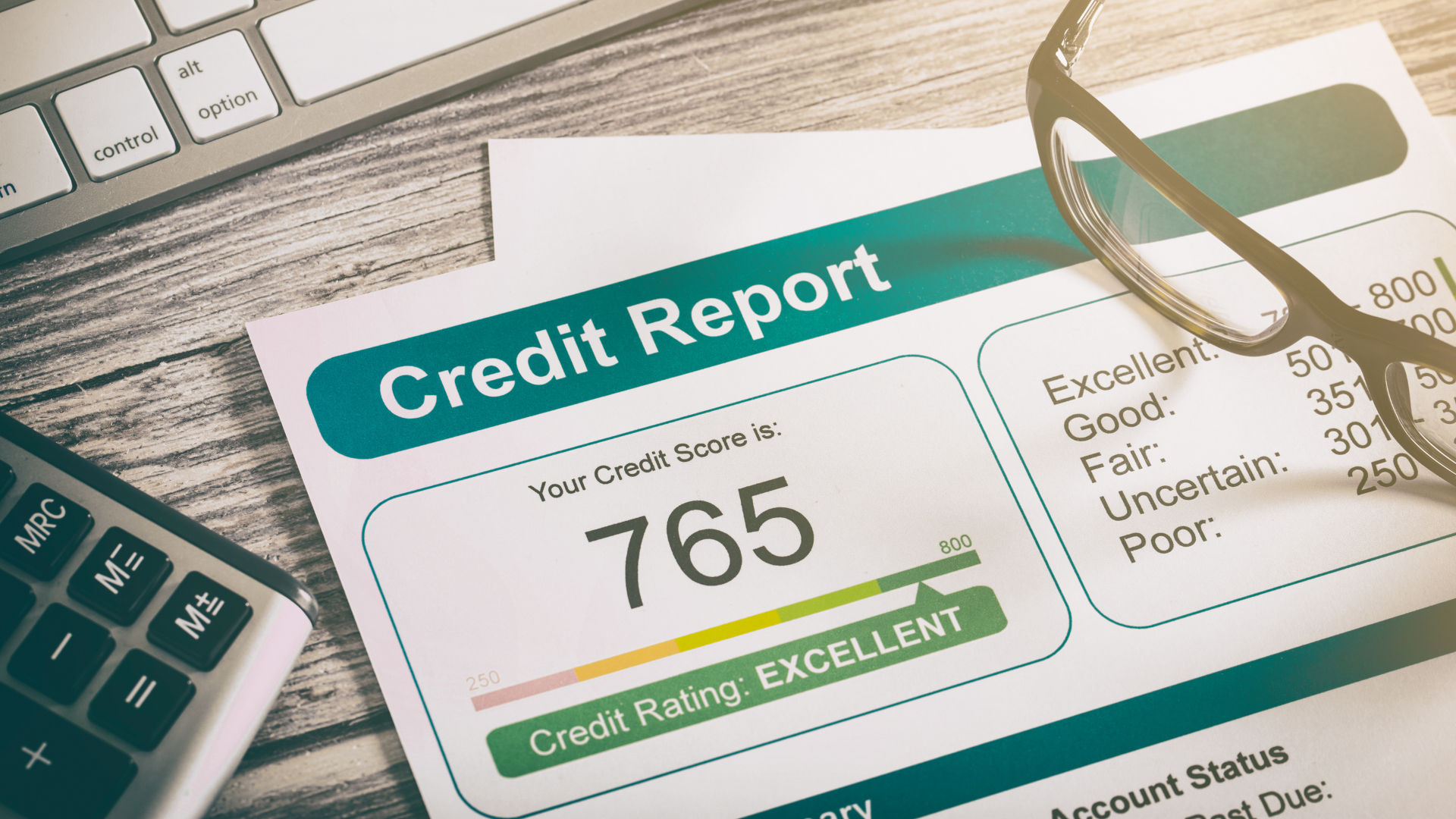
Why Your Credit Score Can Change Even When You Have Not Missed a Payment
A credit score can move up or down even when every bill has been paid on time. That can be confusing, especially for someone who assumes payment history is the only factor affecting the number.
Payment history is very important, but credit scoring models also consider other information in your credit report. Changes in balances, account activity, new applications, credit limits, and the age of your accounts can all influence your score.
Understanding those factors can make credit changes feel less mysterious and help you focus on habits that matter over time.

Credit Utilization Can Change Quickly
Credit utilization refers to how much of your available revolving credit you are using.
For example, if you have a credit card with a $5,000 limit and a $2,000 balance, your utilization on that account is 40 percent.
Even if you pay every bill on time, a higher reported balance can cause your score to change. This sometimes happens after a month with unusually high spending, even if you plan to pay the balance down soon.
What matters is the balance that gets reported to the credit bureaus, which may not always be the same as the amount you owe after making a payment.

A Lower Credit Limit Can Affect the Ratio
Your utilization can also rise without you spending more.
If a credit card issuer reduces your credit limit, the same balance suddenly represents a larger percentage of your available credit.
For example, a $1,000 balance on a $5,000 limit is very different from a $1,000 balance on a $2,000 limit.
That is one reason a score can change even when your payment behavior stays exactly the same.

New Credit Applications Can Matter
Applying for new credit may result in a hard inquiry on your credit report.
A single inquiry may have only a limited effect, but several applications within a short period can have a greater impact depending on the scoring model and type of credit involved.
Opening a new account can also reduce the average age of your credit history.
That does not mean people should never apply for credit. It simply means that frequent applications can affect a score even when no payments are missed.

Account Age Can Shift Over Time
Credit scoring models may consider how long your accounts have been open.
Older accounts can help establish a longer credit history. Opening new accounts or closing older ones can change the average age of the accounts on your report.
This is one reason closing a credit card you no longer use can sometimes have an unexpected effect.
The impact depends on the rest of your credit profile, so there is no single rule that applies to everyone.

Loan Balances Also Change Your Credit Profile
Installment loans, such as auto loans or personal loans, can influence your credit profile differently from revolving accounts such as credit cards.
As you pay down an installment loan, the remaining balance changes relative to the original loan amount.
Paying off a loan can also change the mix of active accounts on your report.
This can sometimes lead to a temporary score movement that surprises people, even though paying off debt is generally a positive financial accomplishment.

Information on Your Credit Report Can Change
Credit scores are calculated from information reported by lenders and other creditors.
If a lender updates a balance, changes an account status, adds a new account, or reports corrected information, your score may change.
Errors can also occur.
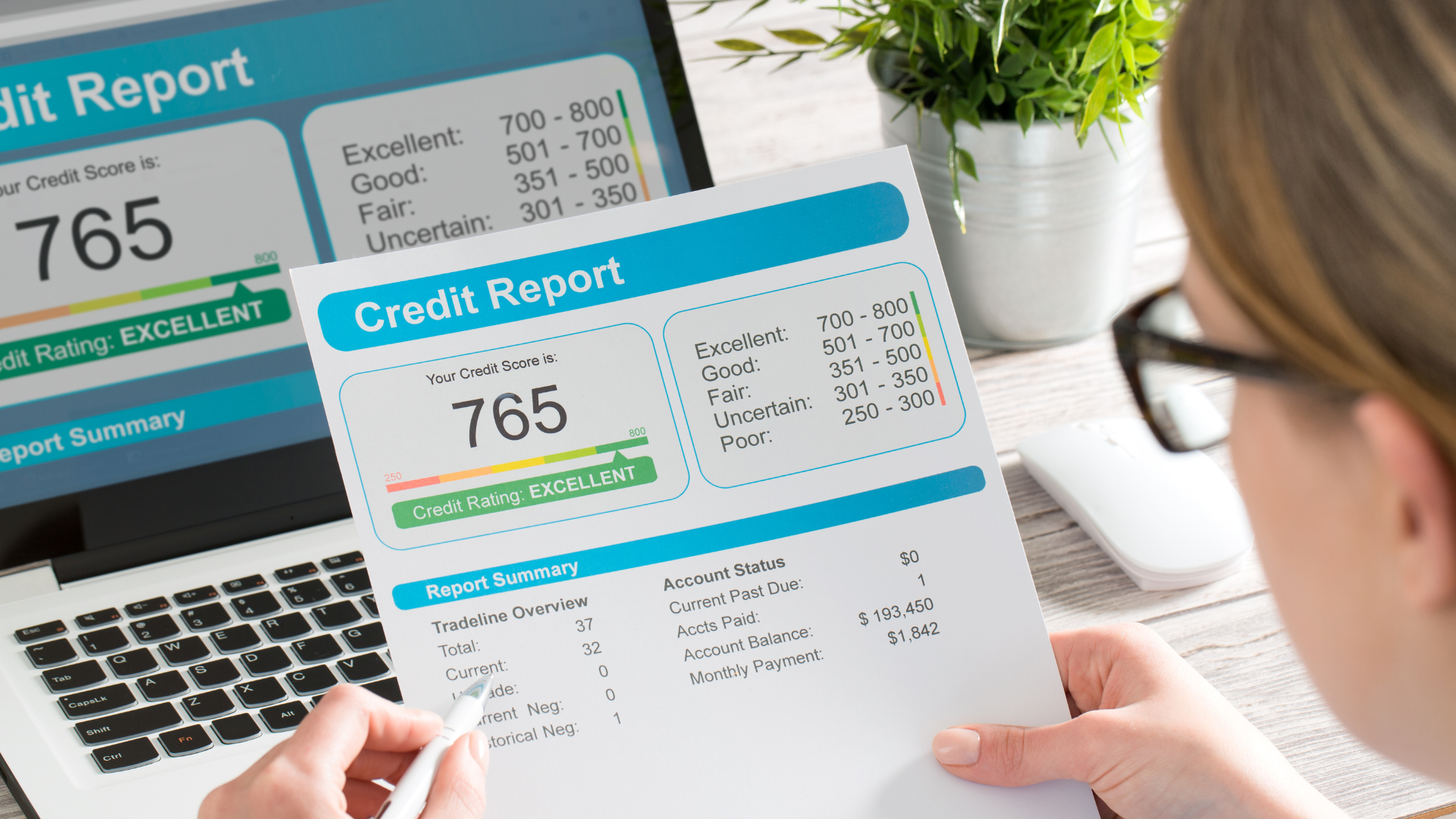
Reviewing your credit reports periodically can help you identify accounts you do not recognize, incorrect balances, duplicate information, or other details that may need attention.
Scores Can Differ Between Models
There is not one universal credit score.
Different lenders may use different scoring models, credit bureaus, or versions of those models. That means the score you see through one service may not match the score a lender sees.
Small differences are normal.
Rather than focusing too heavily on every short-term movement, it is usually more useful to build consistent habits that support a healthier credit profile over time.

Focus on Long-Term Credit Habits
A credit score can fluctuate even when you never miss a payment because payment history is only one part of the picture. Credit utilization, new applications, account age, balances, and changes in your credit report can all influence the result.
The most practical approach is usually to pay bills on time, keep revolving balances manageable, review credit reports for errors, avoid unnecessary applications, and make borrowing decisions that fit your overall budget.
Portside Finance encourages responsible borrowing and practical financial planning. If you are considering a short-term installment loan, review the full cost, monthly payment, and repayment schedule carefully before borrowing so the loan supports your financial needs rather than creating additional strain.