Understanding the Factors That Influence Your Credit Score

July 14, 2026

Your credit score is one of the most important numbers in your financial life. It can affect your ability to qualify for loans, rent a home, secure favorable interest rates, and even influence certain employment or insurance decisions. While many people know that paying bills on time is important, fewer understand the full range of factors that contribute to a healthy credit profile.


Learning how credit scores work can help you make informed financial decisions and develop habits that support long-term financial wellness.
Payment History Matters Most

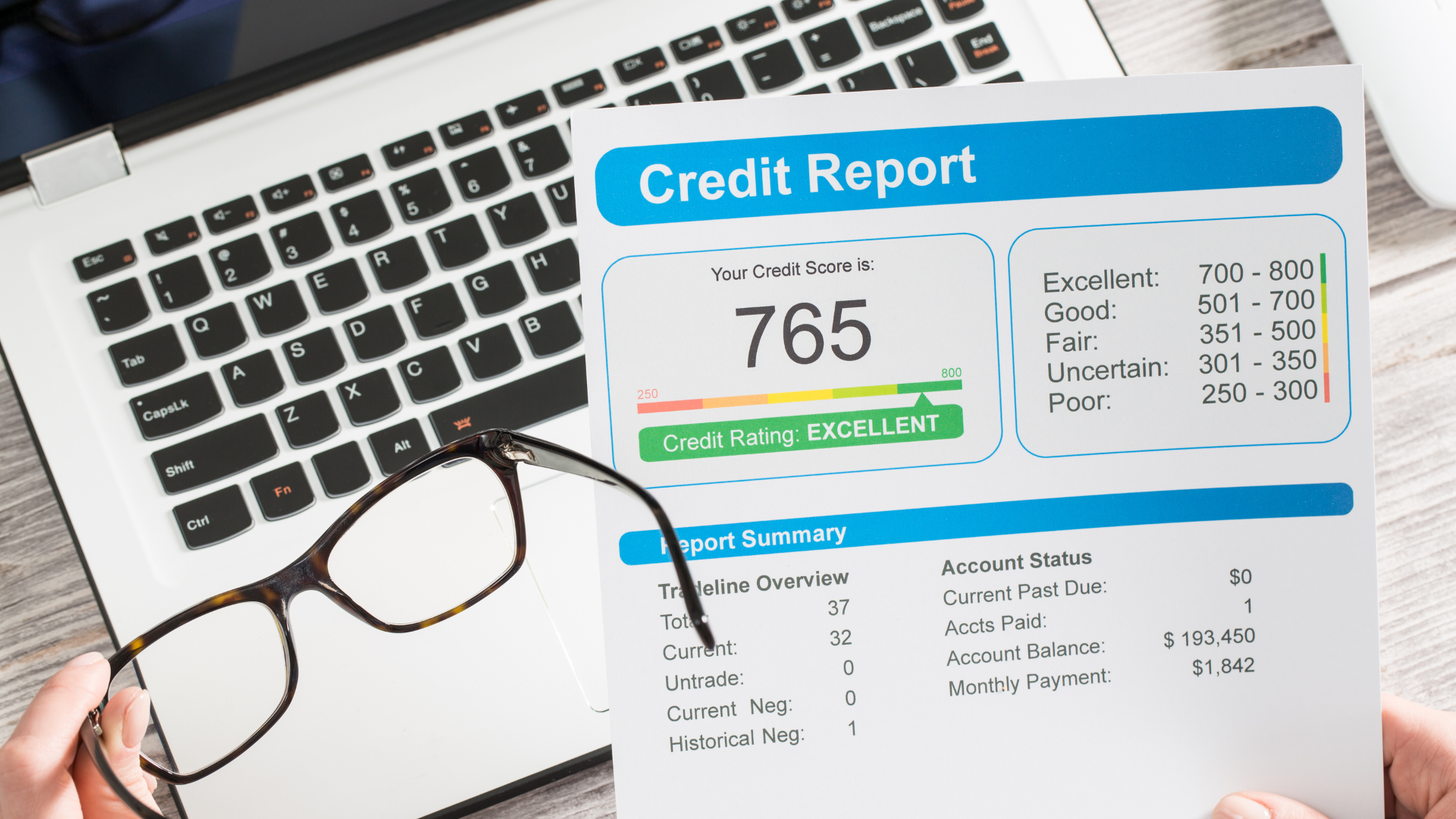
One of the largest factors affecting your credit score is your payment history.


Making payments on time demonstrates that you consistently meet your financial obligations. Even a single late payment can have an impact, especially if it remains unpaid for an extended period.


Setting up automatic payments, calendar reminders, or budgeting for monthly obligations can help reduce the risk of missed payments and support a positive payment history over time.

The Amount of Credit You Use

How much of your available credit you use can also influence your credit score.


For revolving accounts such as credit cards, lenders often consider your credit utilization ratio, which compares your outstanding balance to your available credit. Using a large percentage of your available credit may signal greater financial risk, even if you make your payments on time.


Keeping balances at manageable levels can contribute to a healthier overall credit profile.
Length of Credit History

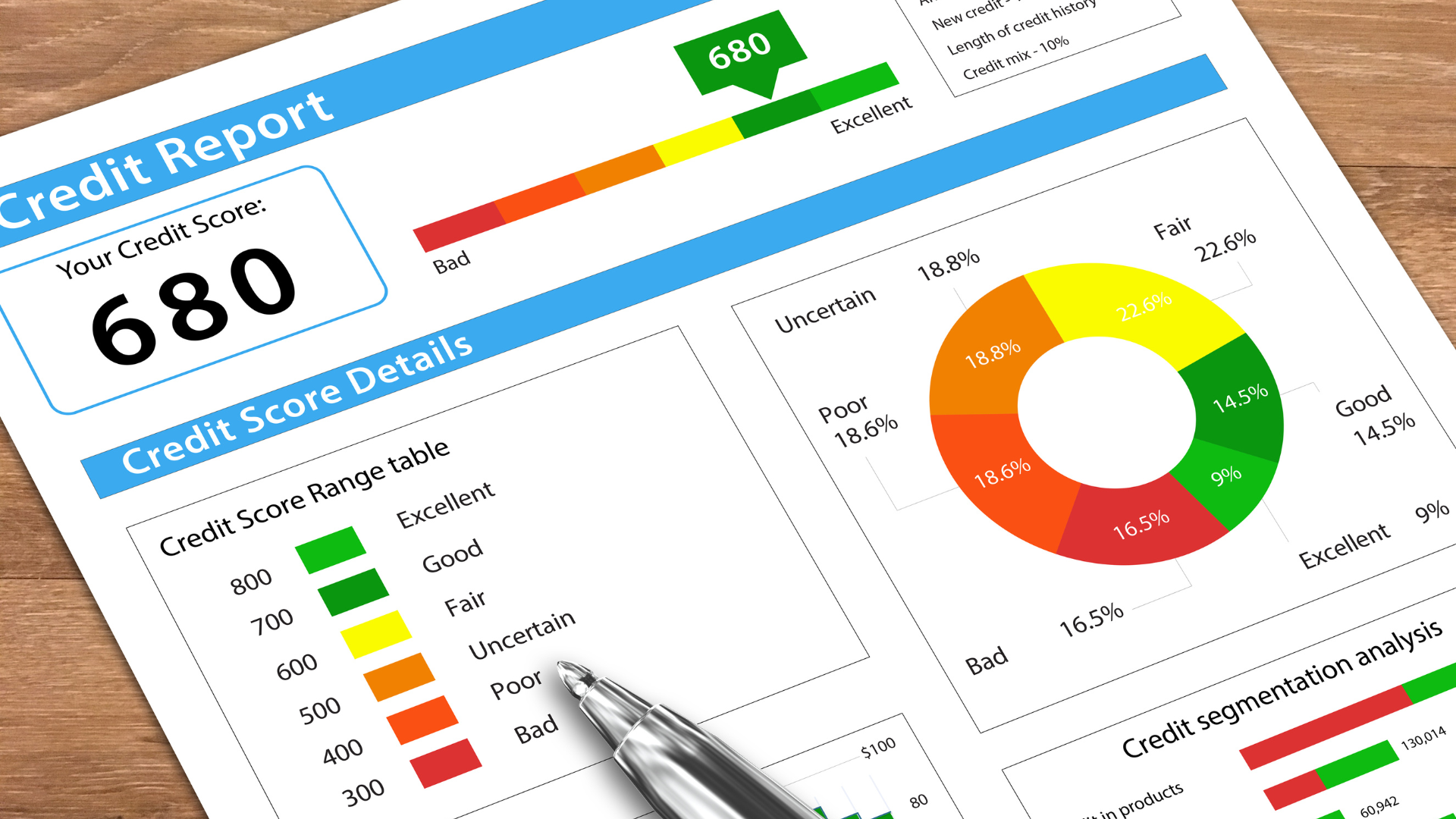
The age of your credit accounts is another factor that may influence your score.


Older accounts provide lenders with a longer record of your borrowing and repayment habits. Closing long-established accounts without careful consideration may shorten your average credit history, depending on your overall financial situation.


Maintaining longstanding accounts responsibly can contribute to long-term credit stability.

Types of Credit

A healthy credit profile often includes a variety of credit accounts that are managed responsibly.


For example, someone may have a combination of installment loans and revolving credit accounts. Demonstrating the ability to successfully manage different types of credit over time may positively influence your overall credit history.


The goal is not to open unnecessary accounts but to manage existing obligations responsibly.

Applying for New Credit

Whenever you apply for new credit, the lender may perform a credit inquiry as part of the application process.


Applying for several loans or credit cards within a short period may temporarily affect your credit profile. Before submitting an application, it is often helpful to evaluate whether additional borrowing aligns with your current financial goals and budget.


Thoughtful financial planning helps ensure that new credit supports your overall financial well-being.

Healthy Financial Habits Make a Difference

Building strong credit does not happen overnight.


Consistently paying bills on time, maintaining a realistic budget, borrowing responsibly, and monitoring your financial accounts all contribute to long-term financial health. Small, positive decisions made month after month often have a greater impact than dramatic short-term changes.


Reviewing your credit reports periodically can also help you identify errors or unfamiliar activity that may require attention.

Responsible Borrowing Supports Long-Term Success

Credit is a financial tool, and like any tool, it is most effective when used responsibly.


At Portside Finance, we believe that informed borrowers make stronger financial decisions. Responsible borrowing begins with understanding your budget, selecting financing that fits your needs, and making repayment a priority. Personal installment loans can provide predictable monthly payments that make budgeting easier while helping borrowers address planned or unexpected expenses.


Every financial situation is unique, and borrowing should always be approached thoughtfully. If you are considering a personal installment loan and want to learn more about your options, Portside Finance is here to help. Our team is committed to providing transparent information, responsible lending solutions, and personalized service so you can make confident financial decisions that support your long-term goals.

November 25, 2026
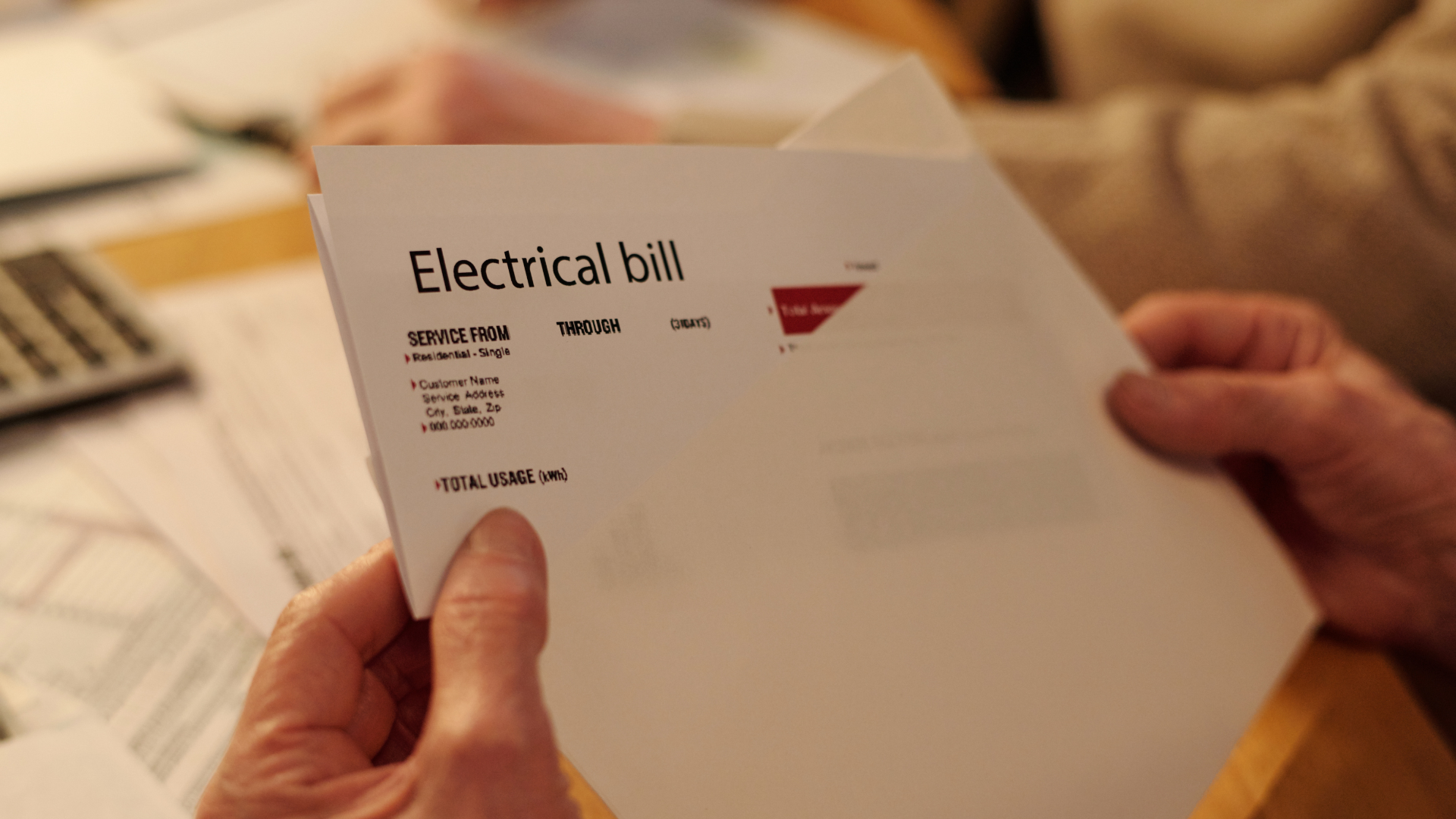
Winter can put extra pressure on a household budget, especially when heating costs begin to rise . Even families that manage their monthly expenses carefully can be caught off guard by a utility bill that jumps after a stretch of colder weather. Electricity, natural gas, heating oil, and other seasonal costs can all increase at the same time that households may also be paying for holiday spending, winter car maintenance, and other year-end expenses. Planning ahead can make those higher bills easier to absorb. Look at Last Winter Before Building This Winter’s Budget One of the best places to start is with your own billing history. Review utility statements from the previous winter and compare the highest months with your normal usage during the rest of the year. That gives you a more realistic estimate than simply assuming the next bill will look like the current one. If last January’s heating bill was significantly higher than October’s, that difference should already be part of the winter budget. Building around actual past spending can help reduce surprises.
November 18, 2026
The holiday season can make it easy to spend more than planned . Gifts, travel, meals, decorations, events, and last-minute purchases can all pile up quickly, especially when each expense feels small on its own. The problem often shows up later, when January arrives with credit card balances, regular monthly bills, and less cash available than expected. A holiday budget can help prevent that. The goal is not to remove the fun from the season. It is to decide in advance what you can comfortably spend without creating a financial problem after the holidays are over. Start With One Total Number Before making a gift list, choose the total amount you can realistically afford for the entire holiday season. That number should include more than gifts. Think about travel, food, hosting, decorations, charitable giving, school events, parties, shipping, and anything else that tends to appear between Thanksgiving and New Year’s. Once the total is clear, break it into categories. For example, you may decide how much goes toward gifts, how much toward travel, and how much toward food and entertainment. That makes it easier to see where one category may be taking too much of the overall budget.
November 10, 2026
Some expenses are not true emergencies . They just do not happen every month. Car registration, annual insurance premiums, holiday spending, school costs, home maintenance, vet bills, and seasonal expenses can all feel sudden if there is no money set aside for them. That is where sinking funds can help. A sinking fund is money saved gradually for a specific future expense .  Instead of waiting for the bill to arrive and hoping there is enough room in the budget, you prepare for it a little at a time.
November 4, 2026
Paying off several debts at once can feel discouraging. You may be making payments every month and still feel like none of the balances are moving very fast. Two common payoff strategies can help create more structure: the debt snowball and the debt avalanche . Both methods focus extra money on one debt at a time while maintaining required payments on the others. The difference is which debt you attack first.
October 30, 2026
Car repairs have a way of arriving at the worst possible time. Sometimes the mechanic gives you a list of problems instead of one simple fix. Maybe the brakes need attention, the tires are worn, a warning light is on, and another repair is recommended soon. If your budget cannot cover everything at once, the situation can feel overwhelming. The goal is not to ignore the problems. It is to rank them carefully so the most important repairs are handled first.
October 22, 2026
Some months are simply more expensive than others.  A car repair, annual insurance premium , medical bill, school expense, utility spike, or home maintenance cost can all land within the same few weeks. When that happens, even a normally workable budget can feel stretched. The goal is not to pretend every bill can be handled comfortably. It is to slow down, organize the situation, and decide what needs attention first.
October 14, 2026
A budget is not supposed to be permanent.  It is a working plan for the money you have right now. When your income changes, that plan should change with it. A raise, reduced work hours, a new job, overtime, seasonal income, or a temporary gap between paychecks can all change what is realistic. If the budget stays the same while income moves up or down, financial stress can build quickly. Updating the budget helps keep spending, saving, and debt payments aligned with what is actually coming in.
October 9, 2026
It can be confusing to check your credit score in one place, then see a different number somewhere else. One app may show a score of 690, while a lender pulls a score that is noticeably higher or lower. That does not necessarily mean one of them is wrong. Consumers can have multiple valid credit scores at the same time because different scoring models, credit bureaus, and reporting dates may be used. Understanding why those differences happen can make credit monitoring less frustrating.
September 29, 2026
When comparing loan offers, the monthly payment is often the first number people look at. That makes sense because the payment has to fit into the household budget. But a lower monthly payment does not always mean a lower-cost loan. In many cases, the payment is smaller because the repayment period is longer. That may make the loan easier to manage from month to month, but it can also increase the total amount paid over time. Understanding the difference between monthly affordability and total borrowing cost can help consumers make more informed decisions.
September 23, 2026
Closing an old credit card can feel like a smart financial move, especially if you no longer use the account or want to simplify your finances. But before you close it, it helps to understand how that decision may affect your overall credit profile . Credit scores are influenced by several factors, including payment history, credit utilization, account age, and the mix of credit you have. Closing an older card can affect more than one of those areas, depending on your balances and the rest of your accounts.
More Posts