Building a Budget That Can Adapt to Life’s Surprises
No matter how carefully you plan, life has a way of introducing unexpected expenses. A vehicle may need repairs, a household appliance may stop working, or an unplanned medical bill may arrive at an inconvenient time. While it is impossible to predict every financial challenge, it is possible to build a budget that is flexible enough to handle many of life’s surprises.
A
well-designed budget is not meant to be rigid. Instead, it should provide structure while allowing room to adjust as circumstances change. The more adaptable your budget becomes, the better prepared you may be to navigate unexpected expenses without disrupting your long-term financial goals.
Start With Your Essential Expenses
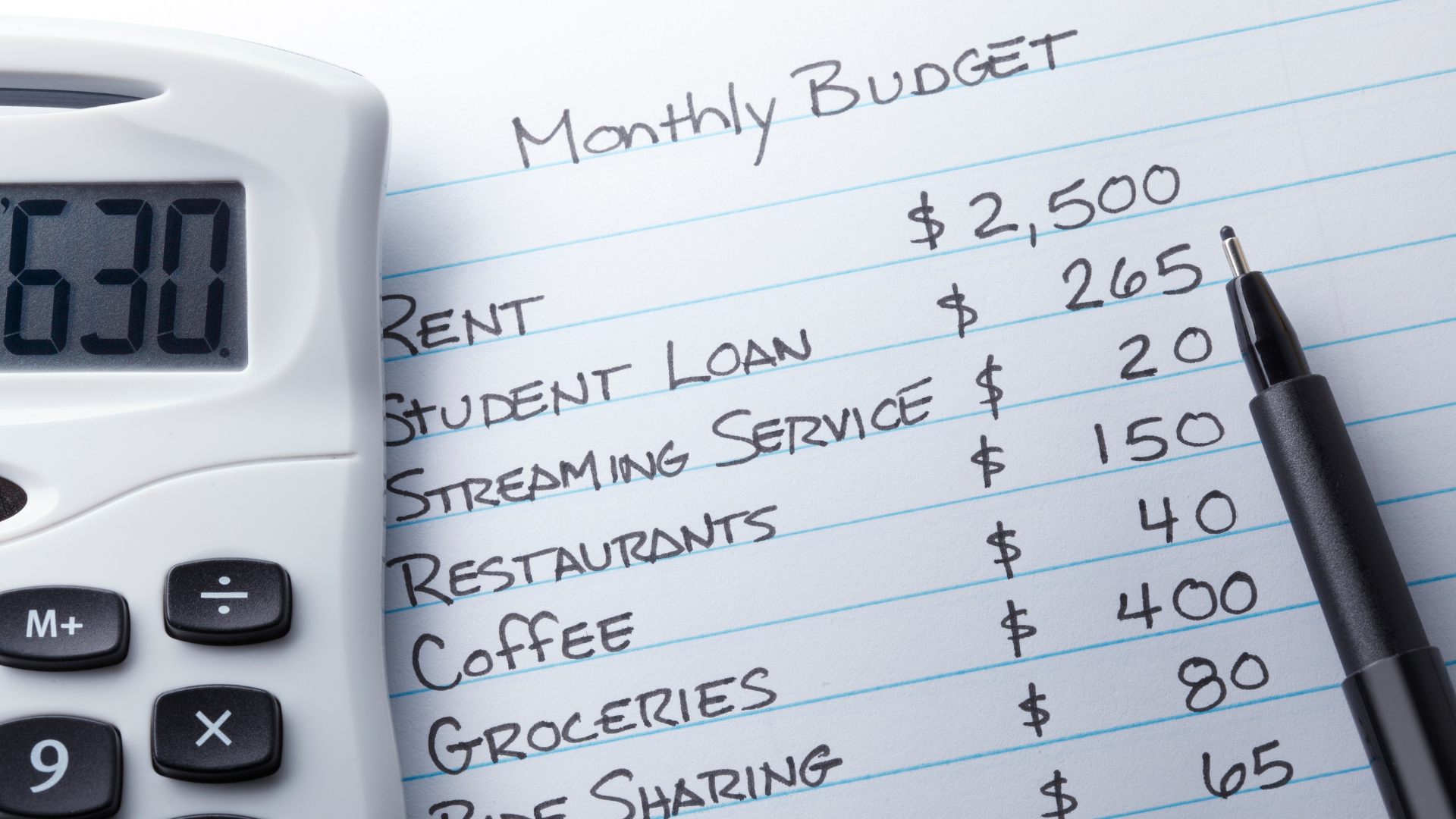
Every budget begins with understanding where your money goes each month.
Housing, utilities, groceries, insurance, transportation, and other recurring bills typically form the foundation of a household budget. Once these essential expenses are identified, it becomes easier to see how much income remains available for savings, discretionary spending, and future planning.
Having a clear picture of your monthly obligations allows you to make informed financial decisions rather than relying on estimates.

Build in a Financial Cushion
One of the most effective ways to make a budget more adaptable is to include a financial cushion.
Setting aside even a modest amount each month for unexpected expenses can help reduce financial stress when surprises occur. Over time, these contributions may grow into an emergency fund that provides greater flexibility when unplanned costs arise.
While building savings takes time, consistency is often more important than the amount contributed each month.

Plan for Irregular Expenses
Not every expense arrives on a monthly schedule.
Annual insurance premiums, holiday spending, school supplies, vehicle registration fees, and seasonal home maintenance are all examples of predictable expenses that can still catch people off guard if they are not included in a budget.
Dividing these costs into smaller monthly amounts can make them easier to manage throughout the year and reduce the likelihood of financial strain when payment is due.

Review Your Budget Regularly
A budget should evolve as your life changes.
Income, family needs, housing costs, and financial priorities may all change over time. Reviewing your budget each month gives you an opportunity to adjust spending, update savings goals, and identify areas where improvements can be made.
Regular reviews also help you recognize spending patterns that may no longer reflect your priorities.
A flexible budget is one that grows with your circumstances.

Know Your Financial Options
Even with careful planning, some unexpected expenses may exceed what you have available in savings.
In situations like these, understanding your financial options before making a decision is important. Depending on your circumstances, a small personal installment loan may provide a structured way to manage an unexpected expense while repaying the balance through predictable monthly payments.
Borrowing should always be approached thoughtfully. Before accepting any loan, it is important to evaluate your budget, understand the repayment terms, and ensure the monthly payments fit comfortably within your financial plan.

Flexibility Builds Confidence
Financial confidence does not come from avoiding every unexpected expense. It comes from knowing you have a plan for responding when life does not go exactly as expected.
An adaptable budget allows you to respond to changing circumstances while continuing to work toward your long-term financial goals. Whether that means using savings, adjusting monthly spending, or carefully considering responsible borrowing, preparation provides more choices when challenges arise.
At Portside Finance, we believe financial planning begins with education and responsible decision-making. When unexpected expenses occur, understanding your options can help you make informed choices that support your overall financial well-being. If a small personal installment loan fits your needs and budget, it may provide the flexibility needed to address an immediate expense while maintaining a manageable repayment schedule.
Building a budget that can adapt to life’s surprises is not about expecting the worst. It is about creating a financial plan that gives you greater confidence, resilience, and peace of mind—no matter what tomorrow brings.