Understanding Gambling Addiction and the Road to Financial Recovery
For many people, gambling begins as entertainment. A few wagers on a sporting event, an occasional visit to a casino, or participation in online gaming may seem harmless at first. However, for some individuals, gambling can gradually develop into a serious addiction that affects finances, relationships, careers, and overall well-being.
Compulsive gambling, or gambling disorder, is often discussed as a financial problem, but it is much more complex than that. It is a behavioral health issue that can create significant emotional and financial consequences. Recovery is possible, but it typically requires honesty, professional support, and a structured plan for rebuilding financial stability.
At Portside Finance, we believe financial recovery begins with understanding the challenges involved and taking practical steps toward healthier financial habits.

Gambling Addiction Can Escalate Quickly
One of the dangers of gambling addiction is that losses often create a powerful urge to continue gambling in an attempt to recover money. This cycle can become difficult to break.
Individuals struggling with gambling addiction may find themselves:
- Spending more money than intended
- Chasing losses
- Borrowing money to continue gambling
- Hiding gambling activity from family members
- Neglecting bills and financial responsibilities
- Experiencing anxiety related to money
Over time, financial problems can grow substantially, creating stress that affects nearly every aspect of daily life.
Financial Consequences Often Extend Beyond Gambling Losses
The direct financial losses associated with gambling are only part of the problem. Many individuals also experience secondary financial consequences that can be equally damaging.
These may include:
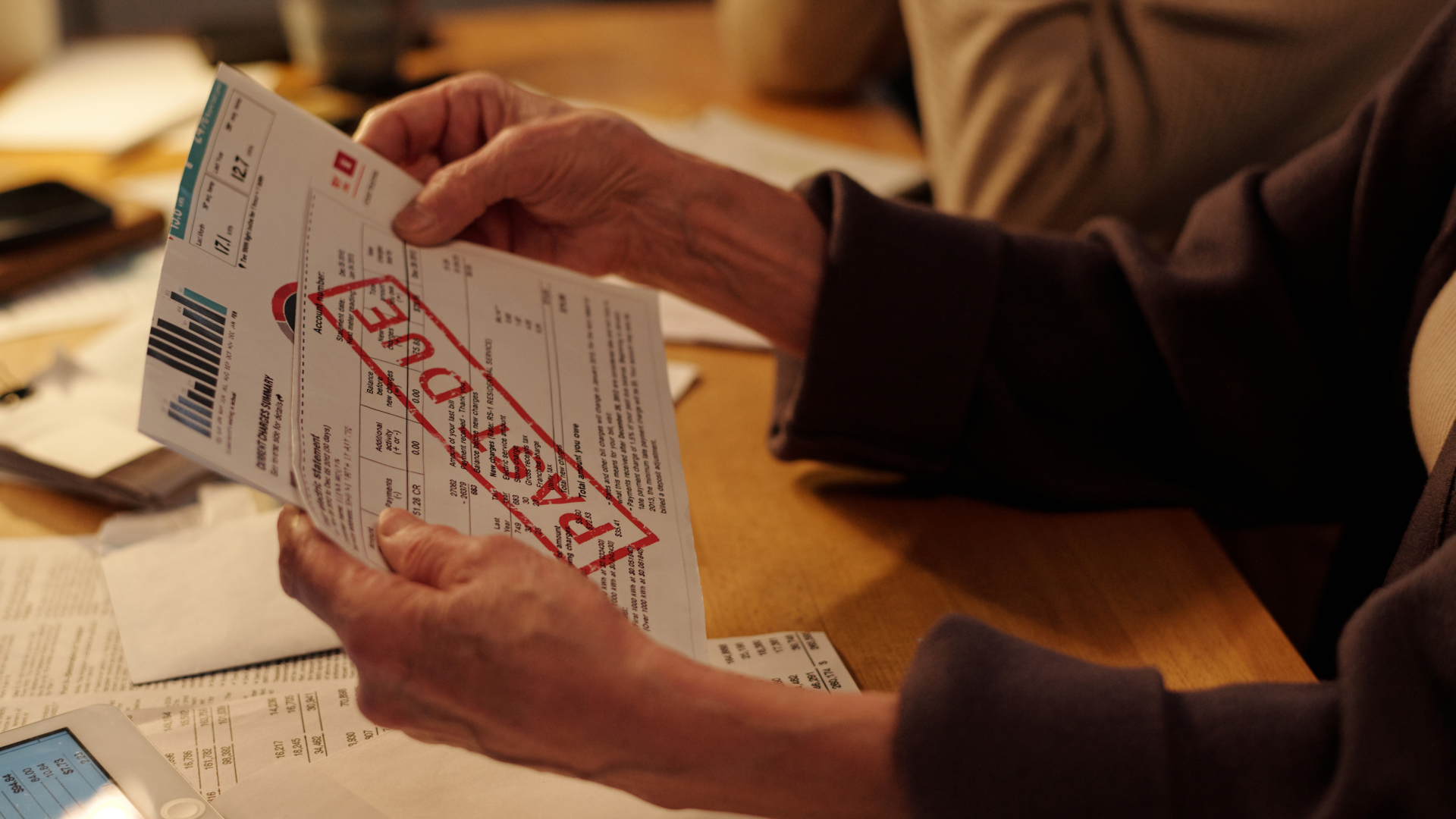
- Missed bill payments
- Increased credit card balances
- Collection accounts
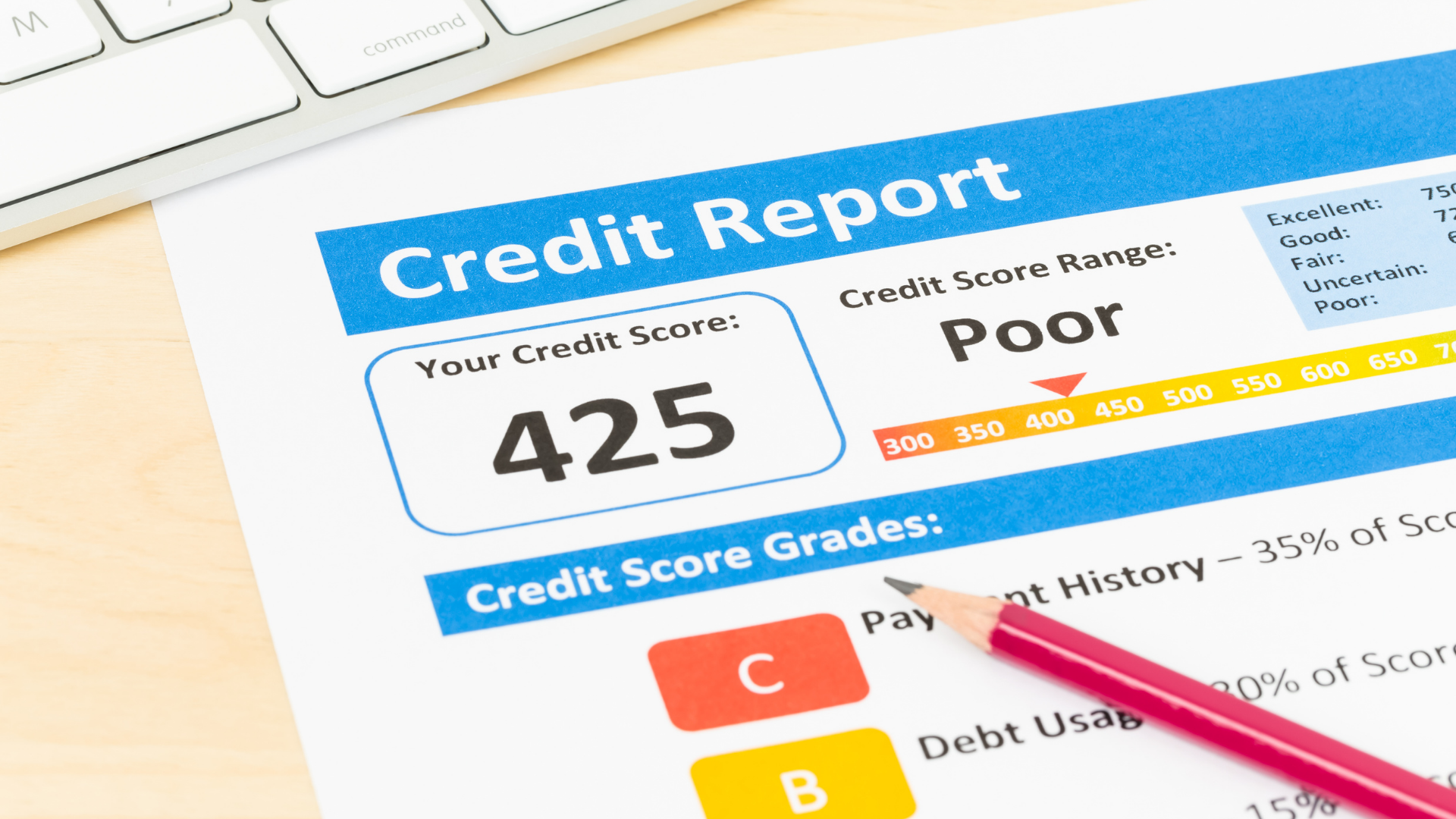
- Damaged credit history
- Depleted savings
- Difficulty meeting monthly obligations
As financial pressure grows, some individuals become trapped in a cycle where short-term decisions create larger long-term problems.

Recovery Requires Difficult Conversations
One of the most important steps in recovery is acknowledging the problem openly. This often involves difficult conversations with spouses, family members, trusted friends, or financial professionals.
These discussions can feel uncomfortable, particularly when financial losses have been hidden or minimized. However, meaningful recovery typically begins when individuals stop carrying the burden alone.
Support from trusted people can provide accountability and encouragement during a challenging period of change.

Professional Treatment Plays an Important Role
Because gambling addiction is a behavioral health condition, professional intervention is often a critical component of recovery.
Qualified therapists and counselors who specialize in addiction treatment can help individuals understand the underlying factors contributing to compulsive gambling behaviors. Therapy may also help patients develop healthier coping mechanisms, improve decision-making, and address emotional triggers that contribute to gambling activity.
Financial recovery is important, but lasting progress often requires addressing the behavioral aspects of the addiction as well.

Financial Planning Helps Rebuild Stability
After gambling activity stops, many individuals face the challenge of rebuilding their financial lives. This process often requires patience and a realistic plan.
Financial recovery may involve:
- Creating a detailed budget
- Prioritizing essential expenses
- Establishing repayment strategies
- Reducing unnecessary spending
- Rebuilding emergency savings
- Monitoring financial progress regularly
Small improvements made consistently over time can create meaningful long-term results.

Structured Borrowing May Support Recovery
In some situations, individuals emerging from gambling addiction may need to address financial obligations that accumulated during the addiction period.
Responsible borrowing is not a solution to gambling addiction itself, nor should it be used to fund gambling activity. However, once recovery is underway, structured financial tools such as personal installment loans may help some individuals consolidate obligations and create more predictable repayment schedules.
For certain borrowers, fixed monthly payments can provide a framework for relearning healthy spending habits, rebuilding financial discipline, and managing obligations more effectively.
The key is that borrowing should be part of a broader financial recovery plan developed with careful consideration and realistic repayment expectations.

There Is a Way Forward
Gambling addiction can feel overwhelming, particularly when financial difficulties begin affecting everyday life. However, recovery is possible. Many people have successfully rebuilt their finances, repaired relationships, and regained control of their financial futures.
The path forward typically involves three important components: honest conversations, professional therapeutic support, and structured financial planning.
At Portside Finance, we understand that financial setbacks do not define a person’s future. With commitment, support, and responsible financial decision-making, individuals can take meaningful steps toward stability and long-term financial health. The journey may be difficult, but there is a path toward recovery, and it begins with taking the first step.