
Blog

It can be confusing to check your credit score in one place, then see a different number somewhere else. One app may show a score of 690, while a lender pulls a score that is noticeably higher or lower. That does not necessarily mean one of them is wrong. Consumers can have multiple valid credit scores at the same time because different scoring models, credit bureaus, and reporting dates may be used. Understanding why those differences happen can make credit monitoring less frustrating.

When comparing loan offers, the monthly payment is often the first number people look at. That makes sense because the payment has to fit into the household budget. But a lower monthly payment does not always mean a lower-cost loan. In many cases, the payment is smaller because the repayment period is longer. That may make the loan easier to manage from month to month, but it can also increase the total amount paid over time. Understanding the difference between monthly affordability and total borrowing cost can help consumers make more informed decisions.

Closing an old credit card can feel like a smart financial move, especially if you no longer use the account or want to simplify your finances. But before you close it, it helps to understand how that decision may affect your overall credit profile . Credit scores are influenced by several factors, including payment history, credit utilization, account age, and the mix of credit you have. Closing an older card can affect more than one of those areas, depending on your balances and the rest of your accounts.

When comparing loans, the monthly payment often gets the most attention. It is easy to understand why: borrowers need to know whether the payment fits into the budget. But the monthly payment does not tell the whole story. Another number to review is the annual percentage rate , or APR. APR can help borrowers compare the cost of different loans by expressing certain borrowing costs as a yearly percentage. Understanding what that number represents can make it easier to evaluate whether one loan is more expensive than another.
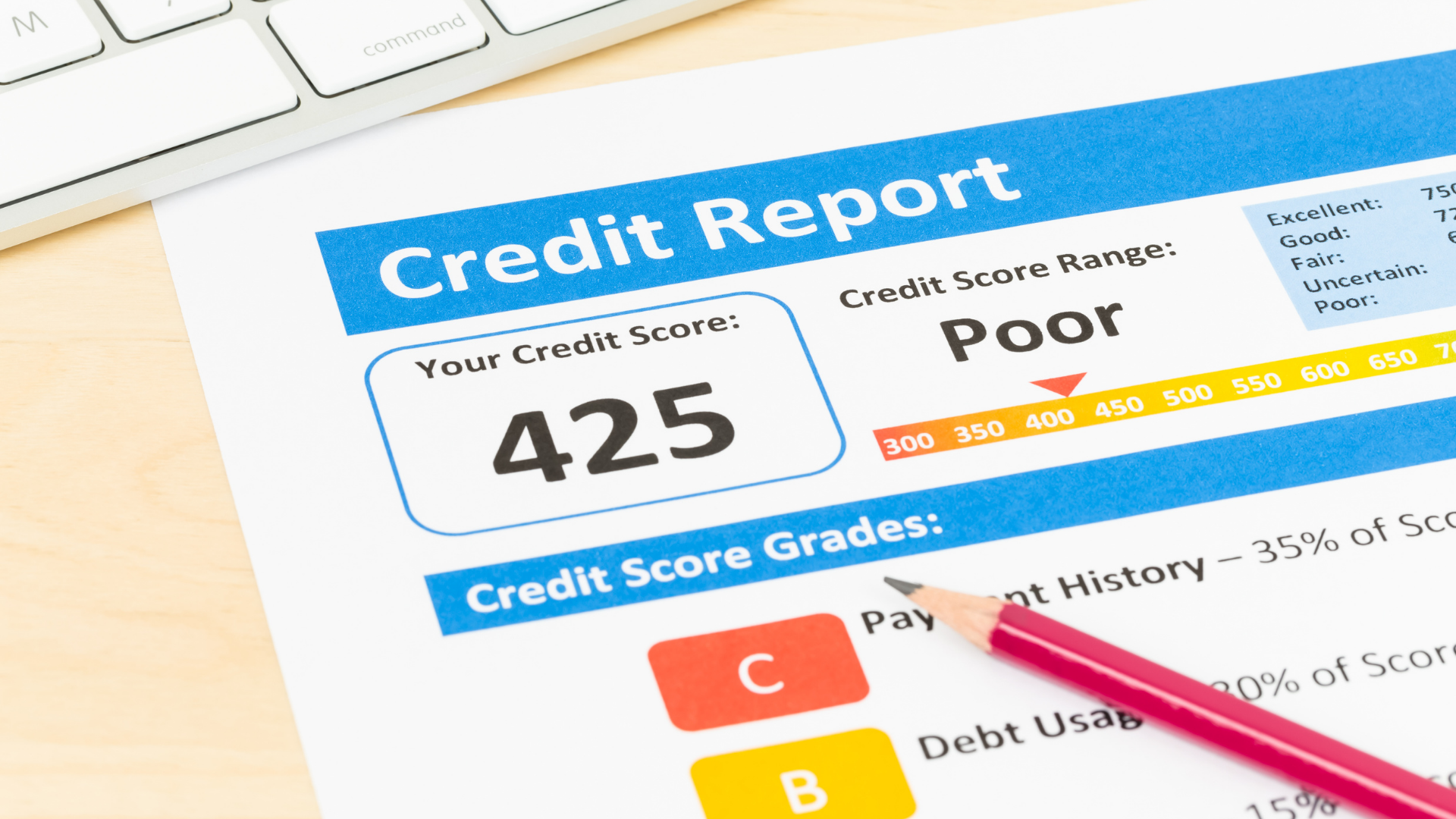
A credit score can move up or down even when every bill has been paid on time. That can be confusing, especially for someone who assumes payment history is the only factor affecting the number. Payment history is very important, but credit scoring models also consider other information in your credit report. Changes in balances, account activity, new applications, credit limits, and the age of your accounts can all influence your score. Understanding those factors can make credit changes feel less mysterious and help you focus on habits that matter over time.

When you have several debts at the same time, deciding where to focus can feel overwhelming. Credit cards, installment loans, medical balances, auto loans, and other obligations may all have different interest rates, minimum payments, and payoff timelines. There is no single payoff strategy that is right for everyone. The best approach depends on your budget , interest costs, motivation, and need for financial flexibility. What matters most is choosing a method you can maintain consistently.

Your credit score is influenced by several factors, and one of the most important is credit utilization. Even people who consistently pay their bills on time can see their credit scores move up or down depending on how much revolving credit they are using. Understanding credit utilization can make it easier to manage credit cards strategically, avoid unnecessary score fluctuations, and build healthier long-term financial habits.

A credit report is a detailed record of how you have managed certain types of credit and debt. Lenders, landlords, insurers, and other organizations may use information from your credit report when making decisions about applications, rates, deposits, or other financial matters. Understanding what appears on your credit report can make it easier to monitor your financial history, identify errors, and build stronger credit habits. Portside Finance encourages consumers to review their credit information regularly and understand how everyday borrowing and payment decisions may affect their financial profile.

Even a carefully planned budget can get off track. An unexpected car repair, a higher utility bill, a family obligation, or simply a month with more discretionary spending than usual can push expenses beyond the amount originally planned. Going over budget does not mean the entire financial plan has failed. What matters most is how quickly the situation is reviewed and adjusted. Recovering from an over-budget month starts with understanding what happened, identifying which expenses can be changed, and creating a practical plan for the weeks ahead. Portside Finance encourages consumers to approach short-term financial setbacks with organization, realistic expectations, and responsible decision-making rather than panic.

Strong money management is not about earning a certain income or having extensive financial experience. It is about developing habits that help you make informed decisions, prepare for unexpected expenses, and work toward your financial goals with confidence. Whether you are just beginning your financial journey or looking to strengthen your current routine, improving your money management skills can provide long-term benefits. Every financial situation is unique, but a few practical strategies can help almost anyone build a stronger financial foundation. Portside Finance encourages responsible financial planning and believes that informed decisions today can support greater financial stability tomorrow.

Unexpected expenses are a part of life. A vehicle may require an expensive repair, a home appliance may stop working without warning, or an unforeseen medical expense could suddenly affect your monthly budget. While it is impossible to predict when these situations will arise, preparing for them financially can help reduce stress and make it easier to move forward with confidence. One of the most effective ways to prepare for life’s surprises is by building an emergency fund . Even modest savings set aside over time can provide valuable financial flexibility when unexpected costs occur.

Not all borrowing works the same way. Whether you are covering an unexpected expense or managing a temporary financial gap, understanding the differences between revolving credit and a personal loan can help you make more informed financial decisions. While every person’s financial situation is unique, revolving credit can become difficult to manage if balances continue to grow over time. In some situations, a small personal installment loan with predictable payments may provide a more structured approach to borrowing.