The Role of Routine in Building Financial Stability

April 28, 2026

Financial stability is often associated with income level or major life changes, but in practice, it is more closely tied to consistency. The way financial decisions are made day to day, and how regularly they are repeated, has a significant impact over time. This is where routine becomes important.


A structured financial routine helps reduce uncertainty, improve organization, and support long-term stability without requiring constant adjustment.

Why Routine Matters in Financial Management

Without a routine, financial decisions tend to become reactive. Bills are addressed as they arise, spending is less predictable, and it becomes more difficult to maintain consistency.


A routine provides:

  • A clear structure for managing income and expenses
  • Reduced reliance on last-minute decisions
  • Greater visibility into financial obligations


This structure makes it easier to stay organized and avoid unnecessary stress.

Turning Financial Tasks Into Habits

One of the most effective ways to build stability is to treat financial responsibilities as part of a regular schedule. Instead of approaching payments and budgeting as occasional tasks, they become part of a routine.


Examples include:

  • Reviewing account balances on a set day each week
  • Scheduling bill payments at consistent intervals
  • Setting aside funds regularly for upcoming expenses


When these actions become habitual, they require less effort to maintain and are less likely to be overlooked.

Aligning Payments With Income

A key part of building a routine is aligning financial obligations with income. This helps ensure that payments are made consistently and reduces the likelihood of missed deadlines.


This may involve:

  • Scheduling payments shortly after receiving income
  • Dividing expenses across pay periods
  • Planning ahead for fixed and variable costs


By coordinating payments with income, it becomes easier to manage cash flow and maintain consistency.
How Routine Supports Credit Health

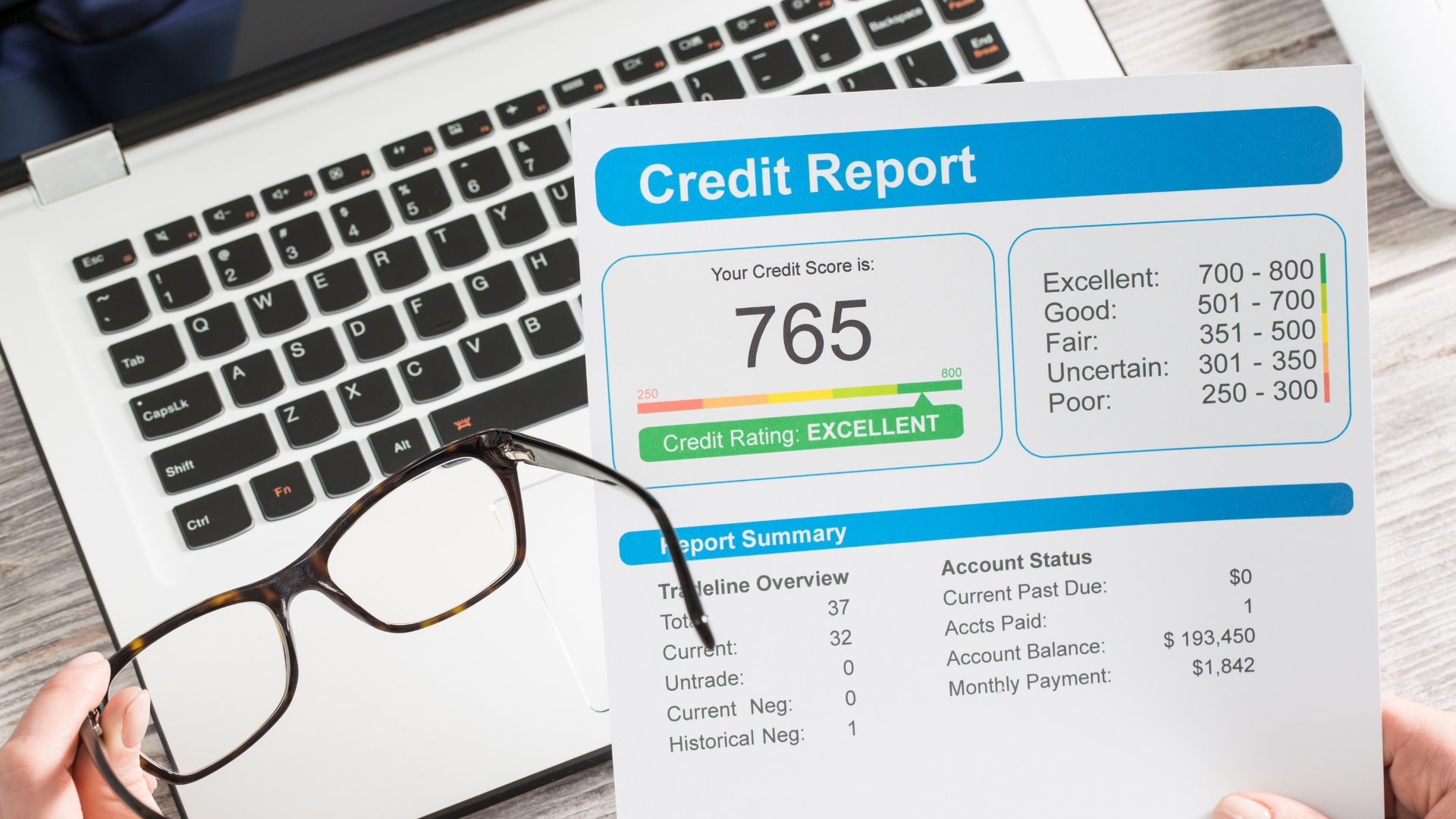
One of the most important benefits of a financial routine is its impact on credit. Payment history is a major factor in determining credit scores, and consistency plays a central role.


Planning payments into a routine helps:

  • Ensure bills are paid on time
  • Reduce the risk of missed or late payments
  • Create a consistent record of reliability


Over time, this pattern of on-time payments can contribute positively to a credit profile. Even small, regular payments, when made consistently, can support long-term credit health.

Reducing Financial Stress Through Predictability

Uncertainty is a common source of financial stress. When payments are irregular or unplanned, it can be difficult to anticipate upcoming obligations.


A routine introduces predictability by:

  • Establishing clear expectations for when payments occur
  • Reducing the need for last-minute adjustments
  • Creating a sense of control over financial activity


This predictability allows individuals to focus on maintaining stability rather than reacting to unexpected situations.

Allowing for Flexibility Within Structure

While routine is important, it should not be rigid. Financial situations can change, and a routine should be able to adapt when needed.


A balanced approach includes:

  • Maintaining a consistent structure for regular obligations
  • Adjusting as income or expenses change
  • Using available financial tools when temporary gaps arise


In some cases, short-term installment loans can help bridge timing differences between income and expenses. When used responsibly, these tools can support a routine rather than disrupt it.

Building Long-Term Stability Through Consistency

Financial stability is not typically the result of a single decision. It develops over time through repeated actions that reinforce positive habits.


A routine supports this process by:

  • Encouraging consistent behavior
  • Reducing the likelihood of missed obligations
  • Supporting gradual improvement


As these habits build, they create a stronger foundation for long-term financial health.

A Practical Approach to Financial Organization

Establishing a financial routine does not require major changes. It begins with small, consistent steps that align with daily life. By planning payments, tracking obligations, and maintaining a regular schedule, it becomes easier to stay organized and reduce uncertainty.


Portside Finance provides resources and financial solutions designed to support individuals as they build stronger financial habits. When used responsibly, short-term financial tools can complement a structured routine and help maintain stability.


If you are looking to improve your financial organization and create a more consistent approach, contact Portside Finance today to explore solutions that fit your needs.


May 19, 2026
Spending decisions are not always purely logical . Emotions influence financial behavior more than many people realize, especially during periods of stress, frustration, boredom, or even excitement. While occasional impulse purchases may seem harmless in the moment, repeated emotional spending can gradually create financial pressure that becomes difficult to manage over time.  Understanding the connection between emotions and spending habits is an important step toward building healthier long-term financial stability. At Portside Finance, we believe financial wellness begins with awareness, structure, and practical decision-making rather than guilt or unrealistic expectations.
May 12, 2026
Subscription-based services have become a routine part of everyday life. Streaming platforms, meal delivery services, software memberships, fitness apps, and monthly product boxes are now integrated into how many people shop and manage convenience. While these services often appear affordable individually, their long-term effect on spending behavior can be significant.  Understanding how subscription culture influences financial habits is an important step toward maintaining better financial awareness and long-term stability.
May 5, 2026
Borrowing is often viewed as a last resort, something associated with pressure, urgency, or difficult financial situations . While it can be used reactively, borrowing does not have to feel uncertain or overwhelming. When approached with a clear plan and a structured mindset, it can serve as a practical financial tool that supports stability rather than disrupts it.  Understanding how to approach borrowing in a thoughtful way can reduce stress and help individuals make more confident decisions.
April 22, 2026
Improving financial health is often associated with major changes such as strict budgets, complete lifestyle shifts, or long-term planning that feels difficult to maintain. In reality, sustainable financial progress is more often built through small, consistent habits that fit naturally into daily life.  Rather than attempting to change everything at once, focusing on manageable adjustments can create a more stable and practical path forward.
April 14, 2026
Financial planning is often viewed as something people know they should do, but many still put it off. This hesitation is not always due to a lack of information. In many cases, it is tied to uncertainty, discomfort, or the belief that planning requires a level of expertise that feels out of reach.  Understanding why people avoid financial planning is the first step toward making it more approachable. Once those barriers are recognized, it becomes easier to take practical steps forward.
April 8, 2026
Financial stability is often associated with steady income and consistent budgeting. While these factors are important, they do not eliminate uncertainty. Unexpected expenses and temporary disruptions can arise at any time. A financial backup plan helps address these situations before they become larger problems.  A well-structured plan does not require perfection. It requires preparation, awareness, and access to appropriate financial tools.
March 31, 2026
Financial health is often discussed, but it is not always clearly defined. Many people associate it with income level or savings, yet it is more accurately understood as a combination of habits, stability, and the ability to manage financial obligations over time. A person with strong financial health is not necessarily someone who earns the most, but someone who can meet expenses, plan ahead, and respond to unexpected situations without significant disruption.  Understanding what financial health means is the first step toward improving it.
March 24, 2026
Credit cards are one of the most widely used financial tools in the United States. Millions of people rely on them for everyday purchases, emergency expenses, and short-term financial flexibility. While credit cards can be useful when managed responsibly , many households carry balances that grow over time and become difficult to pay off.  Understanding why people rely so heavily on credit cards requires looking beyond interest rates and payment schedules. Human behavior, psychology, and financial stress all influence borrowing decisions. The way people think about money often plays a significant role in how they use credit. By understanding these psychological factors, borrowers can make more informed decisions about when and how to use credit.
March 17, 2026
Financial advice often emphasizes the importance of building an emergency savings fund. Having money set aside for unexpected expenses is one of the most effective ways to maintain financial stability. However, even the most carefully planned savings strategy cannot anticipate every situation. Emergencies can arise that exceed what someone has been able to save.  For this reason, emergency savings and responsible borrowing are often most effective when they work together. When used thoughtfully, a small personal loan can provide financial flexibility that helps individuals manage unexpected costs without relying on high-interest credit cards or falling behind on essential obligations. Understanding how these two financial tools complement one another can help people make better decisions when facing financial uncertainty.
March 10, 2026
Credit cards are one of the most widely used financial tools in the United States. They offer convenience, flexibility, and immediate access to purchasing power. However, for many Americans, credit cards have also become one of the largest sources of personal debt. Over time, the structure of revolving credit can make it extremely difficult to escape balances once they begin to grow.  As more households struggle with rising costs and higher interest rates, the national credit card debt situation has become a serious financial challenge. For some borrowers, small personal loans can provide a more predictable and manageable alternative to revolving credit.
More Posts