How Emotional Spending Creates Long-Term Financial Pressure
Spending decisions are not always purely logical. Emotions influence financial behavior more than many people realize, especially during periods of stress, frustration, boredom, or even excitement. While occasional impulse purchases may seem harmless in the moment, repeated emotional spending can gradually create financial pressure that becomes difficult to manage over time.
Understanding the connection between emotions and spending habits is an important step toward building healthier long-term financial stability.
At Portside Finance, we believe financial wellness begins with awareness, structure, and practical decision-making rather than guilt or unrealistic expectations.

What Is Emotional Spending?
Emotional spending occurs when purchases are driven primarily by feelings rather than immediate practical needs. People often spend money to relieve stress, improve mood, reward themselves, or create temporary comfort during difficult periods.
Common emotional triggers may include:
- Stress from work or personal responsibilities
- Anxiety or uncertainty
- Frustration or disappointment
- Boredom
- Social pressure
- Temporary excitement or celebration
In many cases, the purchase itself is not the real issue. The challenge develops when emotional spending becomes a repeated coping mechanism.

Why Emotional Spending Feels Helpful at First
One reason emotional spending is so common is that it often creates temporary emotional relief. Buying something new may briefly improve mood or provide a sense of control during stressful situations.
Modern shopping habits also make impulsive spending easier than ever. Online shopping, mobile payment systems, and one-click purchasing reduce the time between impulse and transaction. Because purchases can happen instantly, there is often very little time for reflection before money is spent.
The short-term emotional benefit can make the habit feel harmless initially, even when the long-term financial impact continues growing quietly in the background.
Small Purchases Add Up Gradually
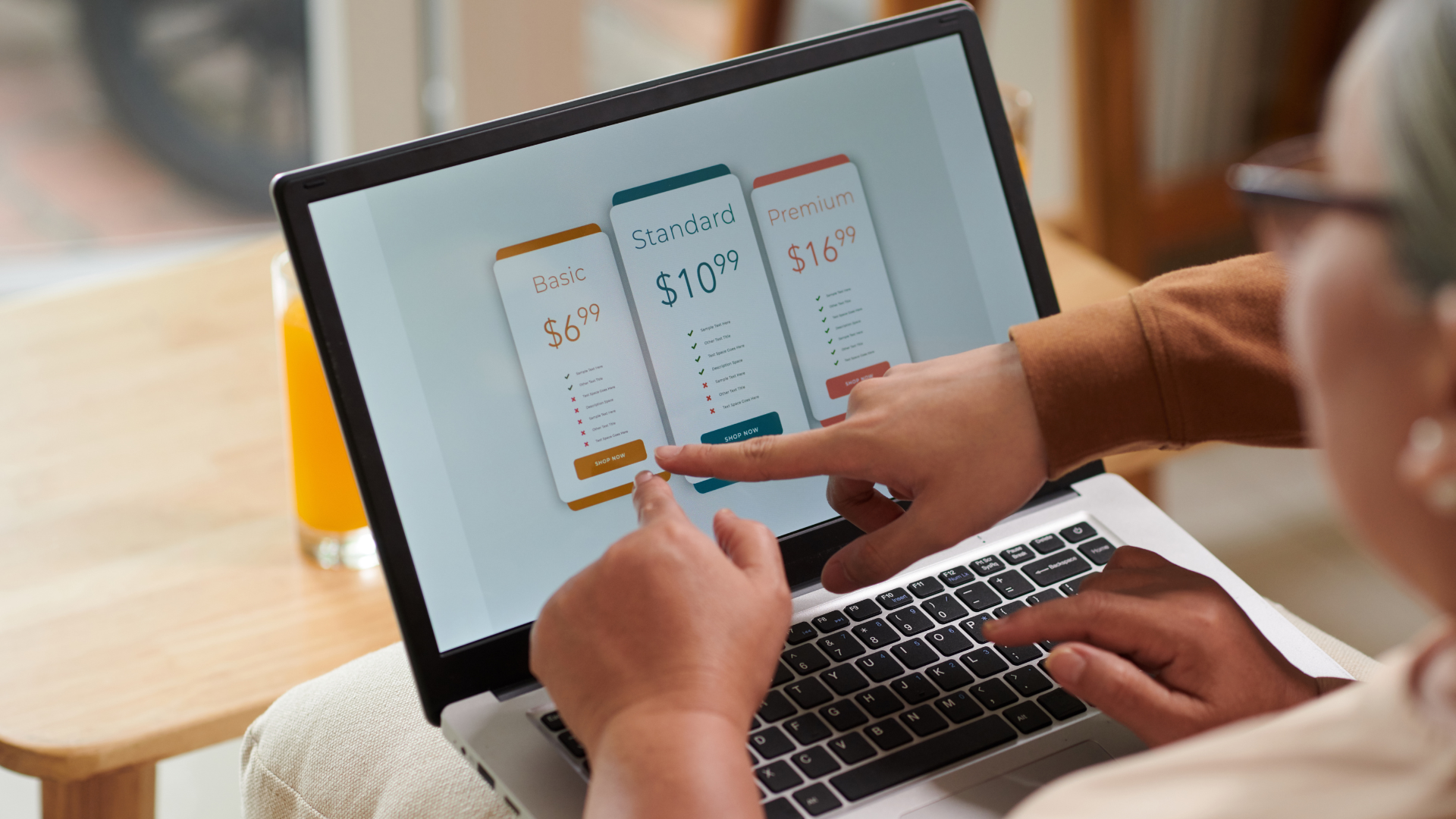
Many emotional spending habits involve relatively small purchases rather than major financial decisions. Coffee runs, online impulse buys, subscription services, food delivery, or convenience spending may not seem significant individually.
However, repeated spending patterns often accumulate slowly over time. What feels like occasional comfort spending can eventually create noticeable pressure on monthly budgets, savings goals, or debt levels.
Because the process develops gradually, people often do not recognize the financial impact until stress surrounding money becomes more noticeable.

Financial Stress Can Reinforce the Cycle
One of the most difficult aspects of emotional spending is that it can create a self-reinforcing cycle. Spending temporarily reduces emotional discomfort, but financial strain later creates additional stress.
That new stress may then trigger more emotional spending as a coping response, continuing the pattern. Over time, this cycle can make financial organization feel increasingly overwhelming.
Breaking the cycle usually begins with awareness rather than self-criticism.

Emotional Spending Is Often About Stress Management
In many cases, emotional spending is less about material purchases and more about emotional regulation. People naturally look for ways to relieve tension, regain comfort, or create moments of enjoyment during difficult periods.
Recognizing this connection is important because it shifts the focus away from blame and toward healthier financial awareness. Understanding why spending occurs makes it easier to build more intentional financial habits over time.
Structure Helps Reduce Financial Pressure
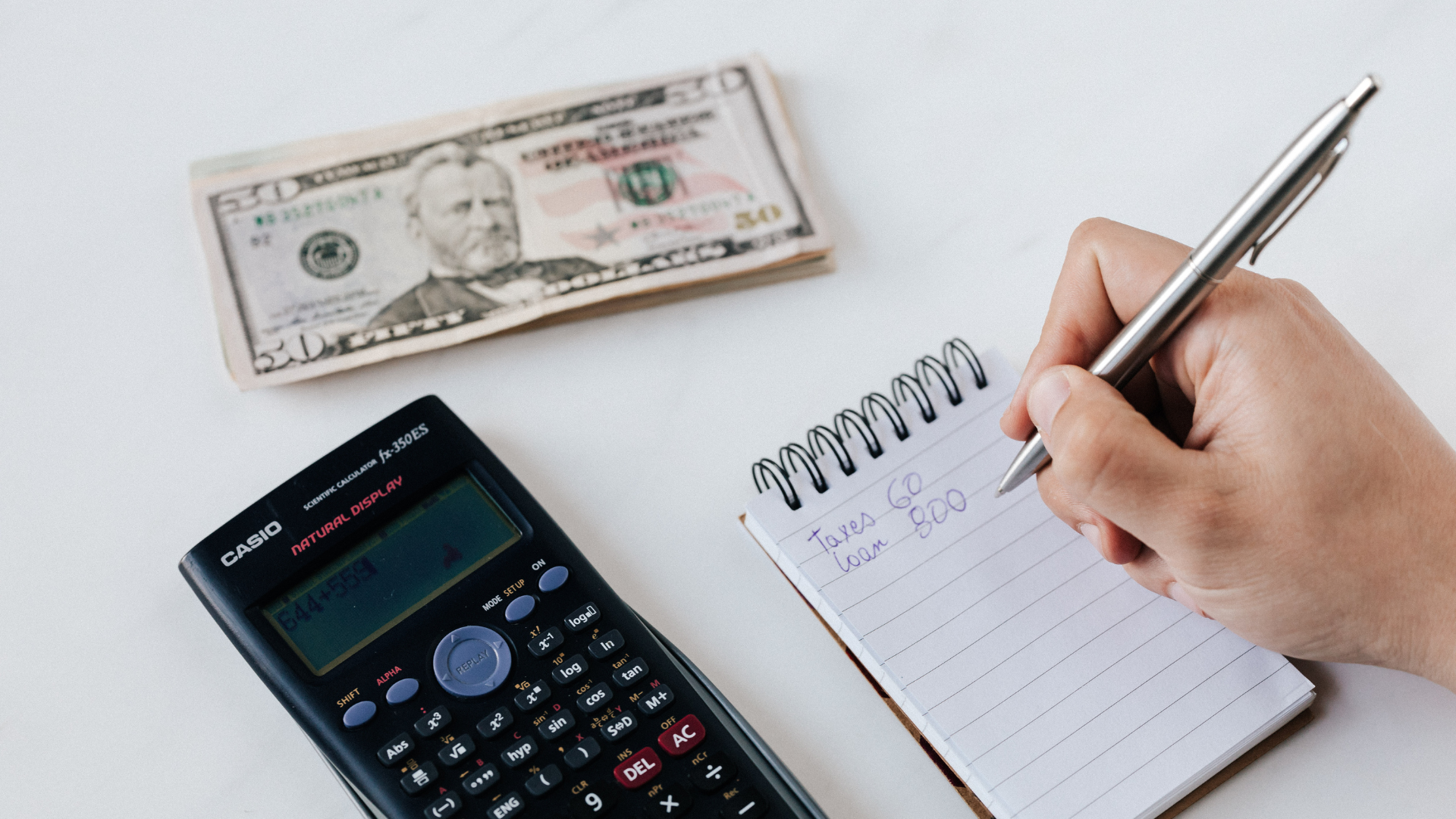
One of the most effective ways to reduce emotional spending pressure is through financial structure and predictability. Clear budgeting systems, organized payment plans, and realistic financial goals help reduce uncertainty and create a stronger sense of control.
This does not require eliminating all discretionary spending. Instead, it involves making spending decisions more intentional and aligned with long-term priorities.
Even small improvements in financial organization can help reduce stress and improve overall confidence.

Building Better Financial Awareness
Financial stability rarely happens overnight. In most cases, it develops gradually through consistent habits, clearer decision-making, and better awareness of emotional triggers.
Simple steps such as tracking spending patterns, reviewing recurring expenses, or creating realistic budgeting goals can make emotional spending easier to recognize and manage.
The goal is not perfection. It is creating a more balanced relationship between emotions and financial choices.

Supporting Long-Term Financial Wellness
At Portside Finance, we understand that financial health is closely connected to emotional well-being and daily stress levels. Financial challenges are rarely just about numbers alone. They are often tied to routines, habits, uncertainty, and emotional decision-making patterns.
Responsible financial tools, structured repayment options, and thoughtful planning can help individuals regain stability and reduce long-term financial pressure.
If you are working toward greater financial organization and healthier financial habits, Portside Finance provides practical solutions designed to support long-term financial wellness and stability.