Quick Loan Options for Bad Credit in Florida

June 17, 2026

How to Get a Quick Loan with Bad Credit in Florida

Florida resident applying for a quick loan with bad credit

Struggling to cover unexpected expenses can be stressful, especially if your credit isn’t perfect. Many lenders turn people away because of slow or poor credit, leaving you searching for alternatives. If you live in Florida, you don’t have to wait weeks or face endless paperwork.


Quick loans are designed to help individuals get money fast, even if traditional banks won’t approve them. Whether it’s for car repairs, medical bills, or day-to-day expenses, understanding your options can put cash in your hands the same day.


At Portside Finance, we focus on making the loan process straightforward for Florida residents. From small personal loans to bilingual loan services, you can find a solution that works for your financial situation.

What Is a Quick Loan?

Quick loan cash in hand for personal expenses

A quick loan is a short-term loan designed to provide immediate cash when you need it most. Unlike traditional loans, approval times are fast, and the application process is simple. Quick loans can range from a few hundred to several thousand dollars, depending on your needs.


Types of Quick Loans Available

There are several options if you need money fast:


  • Personal Loans: Small, short-term loans that can cover various expenses.
  • Auto Loans With Title: Borrow against your vehicle for fast cash.
  • Same Day Approval Loans: Get approval within hours and access your funds immediately.


Who Can Qualify


Even if you have bad credit, slow credit, or no credit history, quick loans are often accessible. Lenders focus on current income and repayment ability rather than just credit score. Florida residents with a steady source of income can usually qualify.

How Bad Credit Loans Work
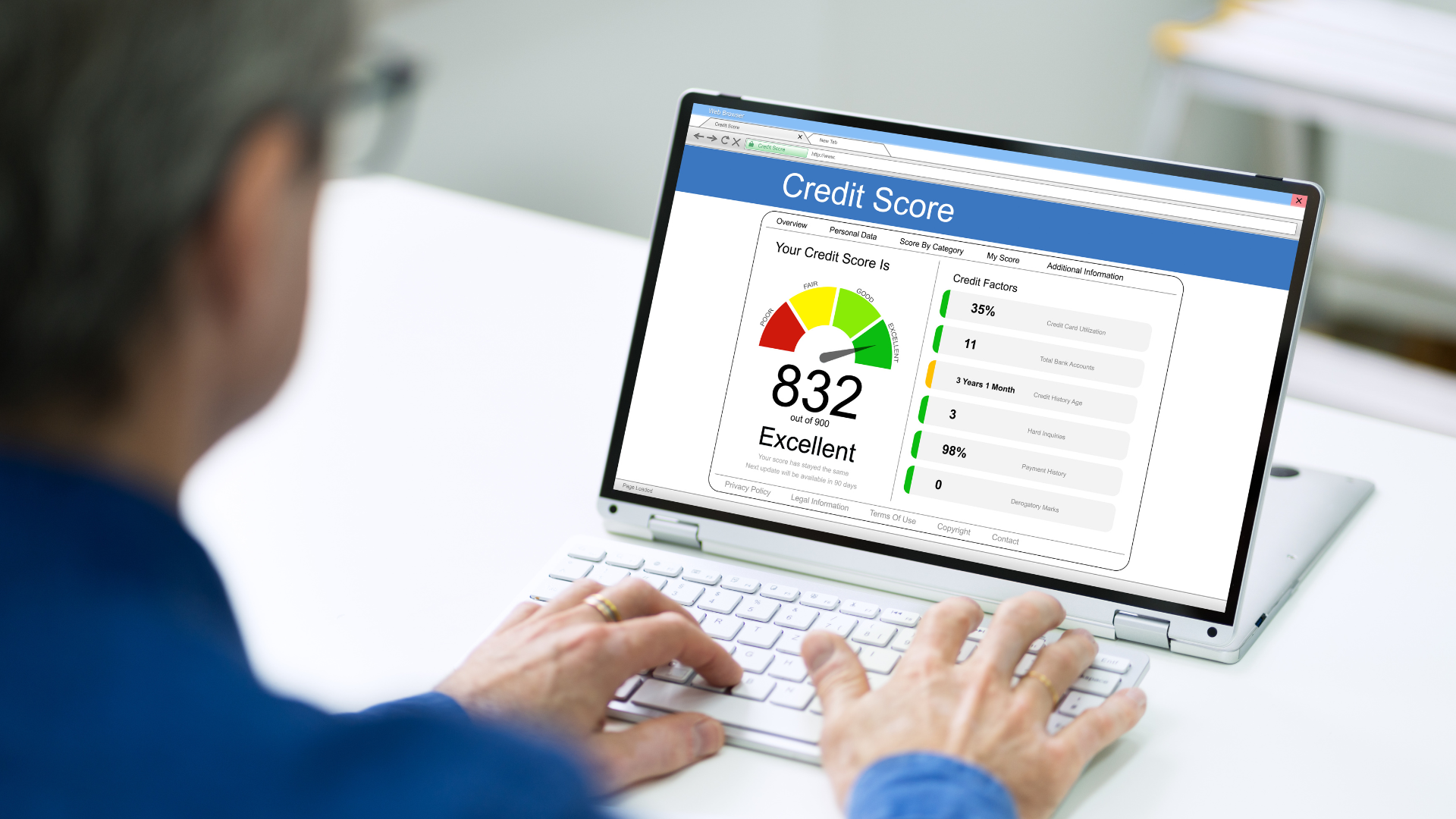
Checking credit score for bad credit loans in Florida

Bad credit loans are designed for people with low or slow credit scores. These loans typically have higher interest rates than traditional bank loans, but they provide an essential financial bridge.


Applying for a Bad Credit Loan


The application process is simple. You’ll need:


  • Proof of income
  • A valid ID
  • Basic personal and contact information


Once submitted, lenders can review your application quickly. Many offer same day approval loans, so you don’t have to wait long for funds.


Benefits of Bad Credit Loans


  • Fast access to cash
  • Flexible repayment options
  • Available to borrowers with poor or no credit history


Tips for Getting a Quick Loan in Florida
Quick loan options available across Florida
  • Compare lenders to find the best rates and terms.
  • Only borrow what you can repay within the agreed timeframe.
  • Consider online loans for faster approval and convenience.
  • Look for bilingual loan services if you prefer support in Spanish.


Local Relevance: Quick Loans in Florida


If you live in Florida, quick loans can be a reliable solution to urgent financial needs. Lenders in the state understand the challenges of slow or poor credit and offer services like cash today and dinero inmediato. Residents from Jacksonville to Miami can access these options to manage short-term expenses responsibly.

Get Started With Portside Finance Today

Portside Finance office in Florida offering quick loans

Portside Finance offers quick loans for all credit types in Florida. Call 904-223-4118 to explore your options, including personal loans, bad credit loans, and same day approval loans. Fast cash is just a phone call away.

Frequently Asked Questions
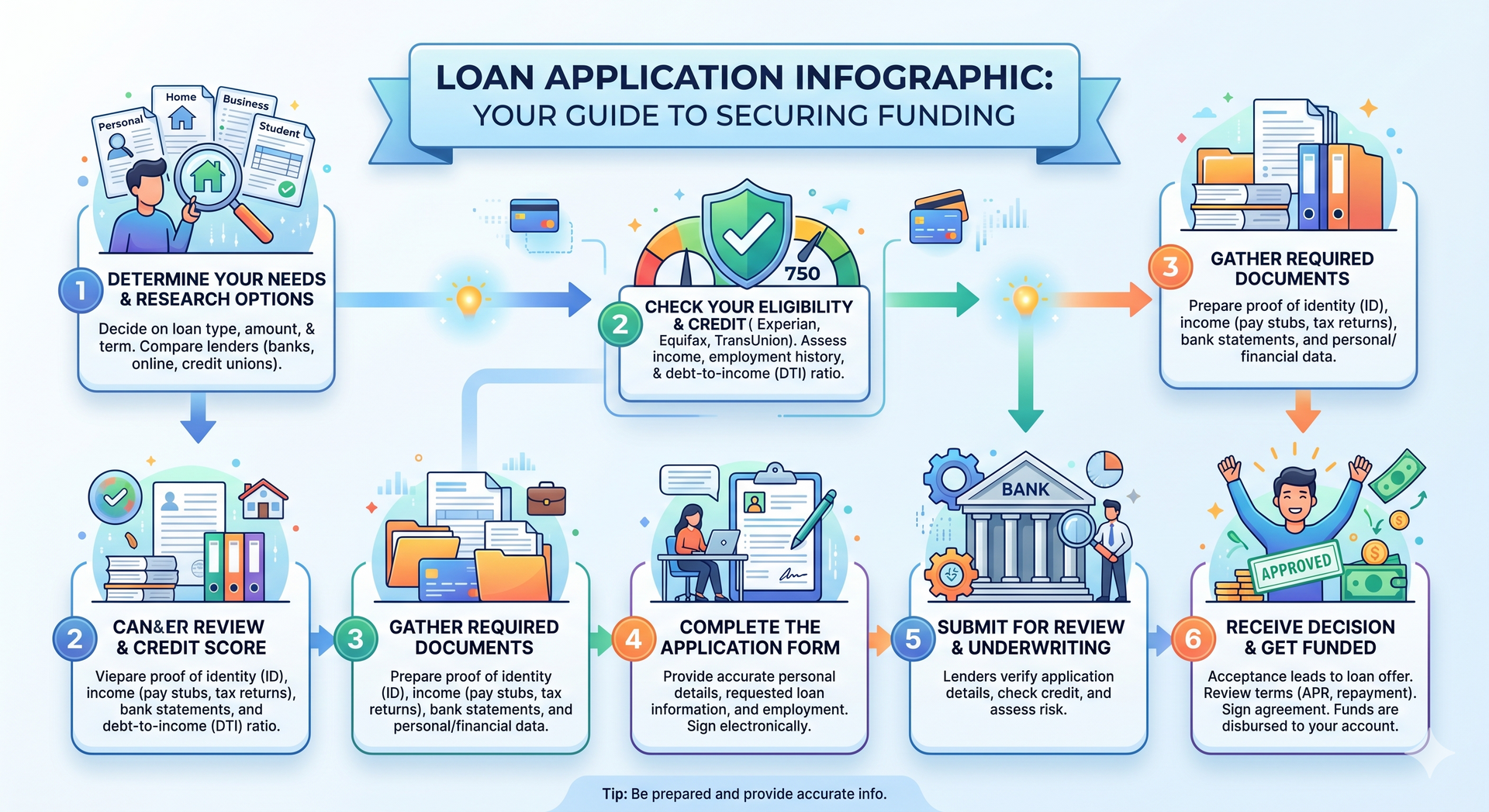
Step-by-step guide for same day approval loans in Florida

Can I get a quick loan with no credit history?


Yes, many lenders consider current income and ability to repay rather than just your credit score. Quick loans and same day approval loans are available to borrowers with no credit history in Florida.


How fast can I get approved for a loan?


Many lenders offer same day approval loans. Once your application is submitted with all required documents, you could have funds in your account within hours.


Are bad credit loans safe?


Yes, as long as you work with licensed and reputable lenders like Portside Finance. Always review terms and interest rates before committing.


What is the typical loan amount I can get?


Quick loans usually range from a few hundred to several thousand dollars, depending on the lender, your income, and repayment ability.


Can I apply for a loan online?


Yes, online loans allow for a fast and convenient application process. Many Florida lenders provide secure online applications that can speed up approval.


Quick loans can make a big difference when cash is needed urgently. Even with bad credit, Florida residents can find options for fast, reliable funding. Call Portside Finance at 904-223-4118 today to learn more about loan options and secure the financial help you need.


November 18, 2026
The holiday season can make it easy to spend more than planned . Gifts, travel, meals, decorations, events, and last-minute purchases can all pile up quickly, especially when each expense feels small on its own. The problem often shows up later, when January arrives with credit card balances, regular monthly bills, and less cash available than expected. A holiday budget can help prevent that. The goal is not to remove the fun from the season. It is to decide in advance what you can comfortably spend without creating a financial problem after the holidays are over. Start With One Total Number Before making a gift list, choose the total amount you can realistically afford for the entire holiday season. That number should include more than gifts. Think about travel, food, hosting, decorations, charitable giving, school events, parties, shipping, and anything else that tends to appear between Thanksgiving and New Year’s. Once the total is clear, break it into categories. For example, you may decide how much goes toward gifts, how much toward travel, and how much toward food and entertainment. That makes it easier to see where one category may be taking too much of the overall budget.
November 10, 2026
Some expenses are not true emergencies . They just do not happen every month. Car registration, annual insurance premiums, holiday spending, school costs, home maintenance, vet bills, and seasonal expenses can all feel sudden if there is no money set aside for them. That is where sinking funds can help. A sinking fund is money saved gradually for a specific future expense .  Instead of waiting for the bill to arrive and hoping there is enough room in the budget, you prepare for it a little at a time.
November 4, 2026
Paying off several debts at once can feel discouraging. You may be making payments every month and still feel like none of the balances are moving very fast. Two common payoff strategies can help create more structure: the debt snowball and the debt avalanche . Both methods focus extra money on one debt at a time while maintaining required payments on the others. The difference is which debt you attack first.
October 30, 2026
Car repairs have a way of arriving at the worst possible time. Sometimes the mechanic gives you a list of problems instead of one simple fix. Maybe the brakes need attention, the tires are worn, a warning light is on, and another repair is recommended soon. If your budget cannot cover everything at once, the situation can feel overwhelming. The goal is not to ignore the problems. It is to rank them carefully so the most important repairs are handled first.
October 22, 2026
Some months are simply more expensive than others.  A car repair, annual insurance premium , medical bill, school expense, utility spike, or home maintenance cost can all land within the same few weeks. When that happens, even a normally workable budget can feel stretched. The goal is not to pretend every bill can be handled comfortably. It is to slow down, organize the situation, and decide what needs attention first.
October 14, 2026
A budget is not supposed to be permanent.  It is a working plan for the money you have right now. When your income changes, that plan should change with it. A raise, reduced work hours, a new job, overtime, seasonal income, or a temporary gap between paychecks can all change what is realistic. If the budget stays the same while income moves up or down, financial stress can build quickly. Updating the budget helps keep spending, saving, and debt payments aligned with what is actually coming in.
October 9, 2026
It can be confusing to check your credit score in one place, then see a different number somewhere else. One app may show a score of 690, while a lender pulls a score that is noticeably higher or lower. That does not necessarily mean one of them is wrong. Consumers can have multiple valid credit scores at the same time because different scoring models, credit bureaus, and reporting dates may be used. Understanding why those differences happen can make credit monitoring less frustrating.
September 29, 2026
When comparing loan offers, the monthly payment is often the first number people look at. That makes sense because the payment has to fit into the household budget. But a lower monthly payment does not always mean a lower-cost loan. In many cases, the payment is smaller because the repayment period is longer. That may make the loan easier to manage from month to month, but it can also increase the total amount paid over time. Understanding the difference between monthly affordability and total borrowing cost can help consumers make more informed decisions.
September 23, 2026
Closing an old credit card can feel like a smart financial move, especially if you no longer use the account or want to simplify your finances. But before you close it, it helps to understand how that decision may affect your overall credit profile . Credit scores are influenced by several factors, including payment history, credit utilization, account age, and the mix of credit you have. Closing an older card can affect more than one of those areas, depending on your balances and the rest of your accounts.
September 16, 2026
When comparing loans, the monthly payment often gets the most attention. It is easy to understand why: borrowers need to know whether the payment fits into the budget. But the monthly payment does not tell the whole story.  Another number to review is the annual percentage rate , or APR. APR can help borrowers compare the cost of different loans by expressing certain borrowing costs as a yearly percentage. Understanding what that number represents can make it easier to evaluate whether one loan is more expensive than another.
More Posts