How to Prioritize Car Repairs When You Cannot Fix Everything at Once

October 30, 2026

Car repairs have a way of arriving at the worst possible time.


Sometimes the mechanic gives you a list of problems instead of one simple fix. Maybe the brakes need attention, the tires are worn, a warning light is on, and another repair is recommended soon.


If your budget cannot cover everything at once, the situation can feel overwhelming.


The goal is not to ignore the problems.


It is to rank them carefully so the most important repairs are handled first.
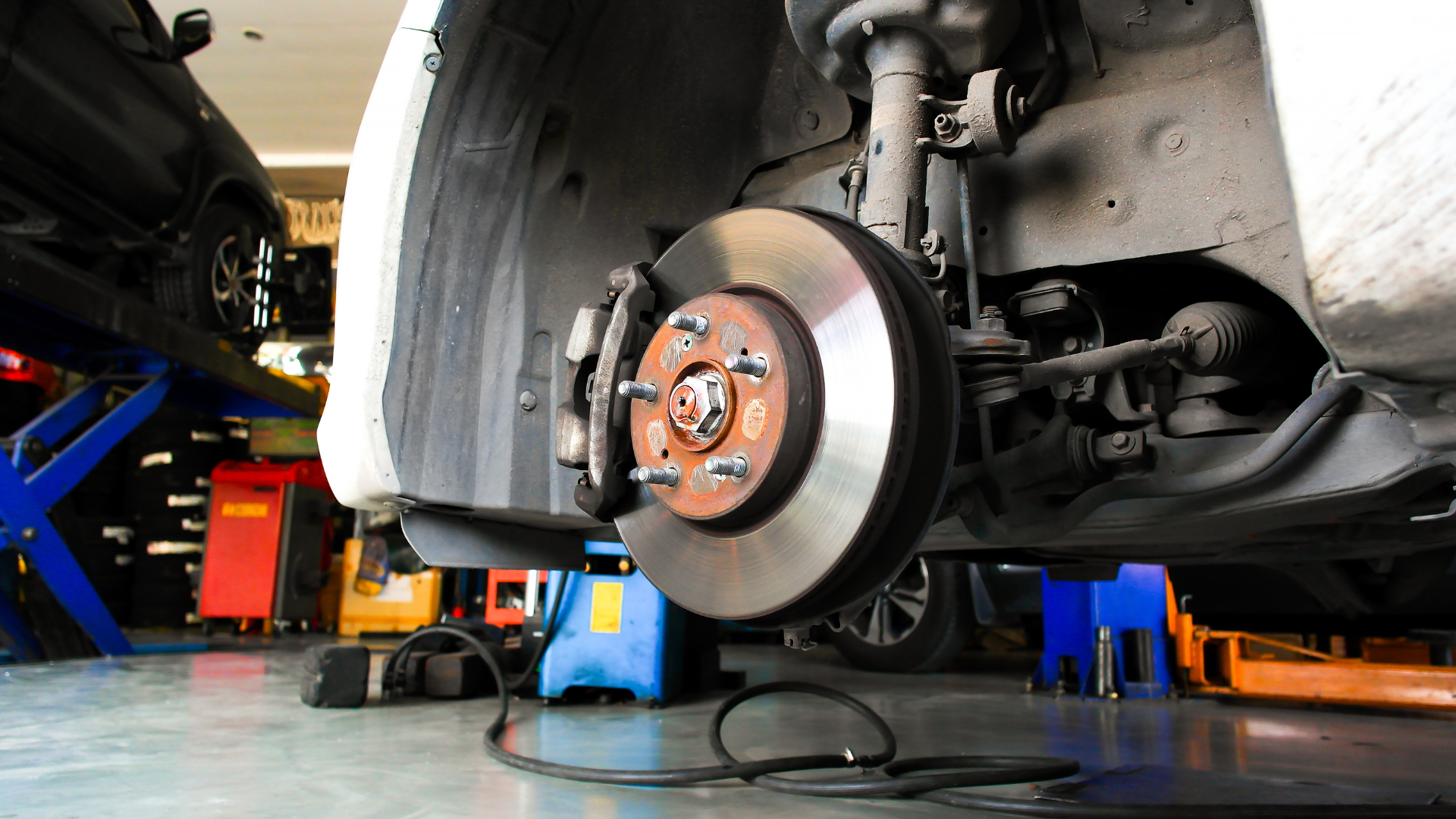
Car wheel and brake rotor exposed in an auto repair shop, with tools and lift in the background

Start With Safety

Safety-related repairs should usually move to the top of the list.


Brakes, steering, severely worn tires, suspension problems, lighting issues, and other problems that affect control or visibility deserve immediate attention.


Ask the repair shop which items create a safety risk now and which ones are simply likely to become more expensive later.


Those are two different categories.


A worn cabin air filter may be inconvenient.


A braking problem may affect whether the vehicle should be driven at all.


Understanding that difference helps you make a more rational decision.
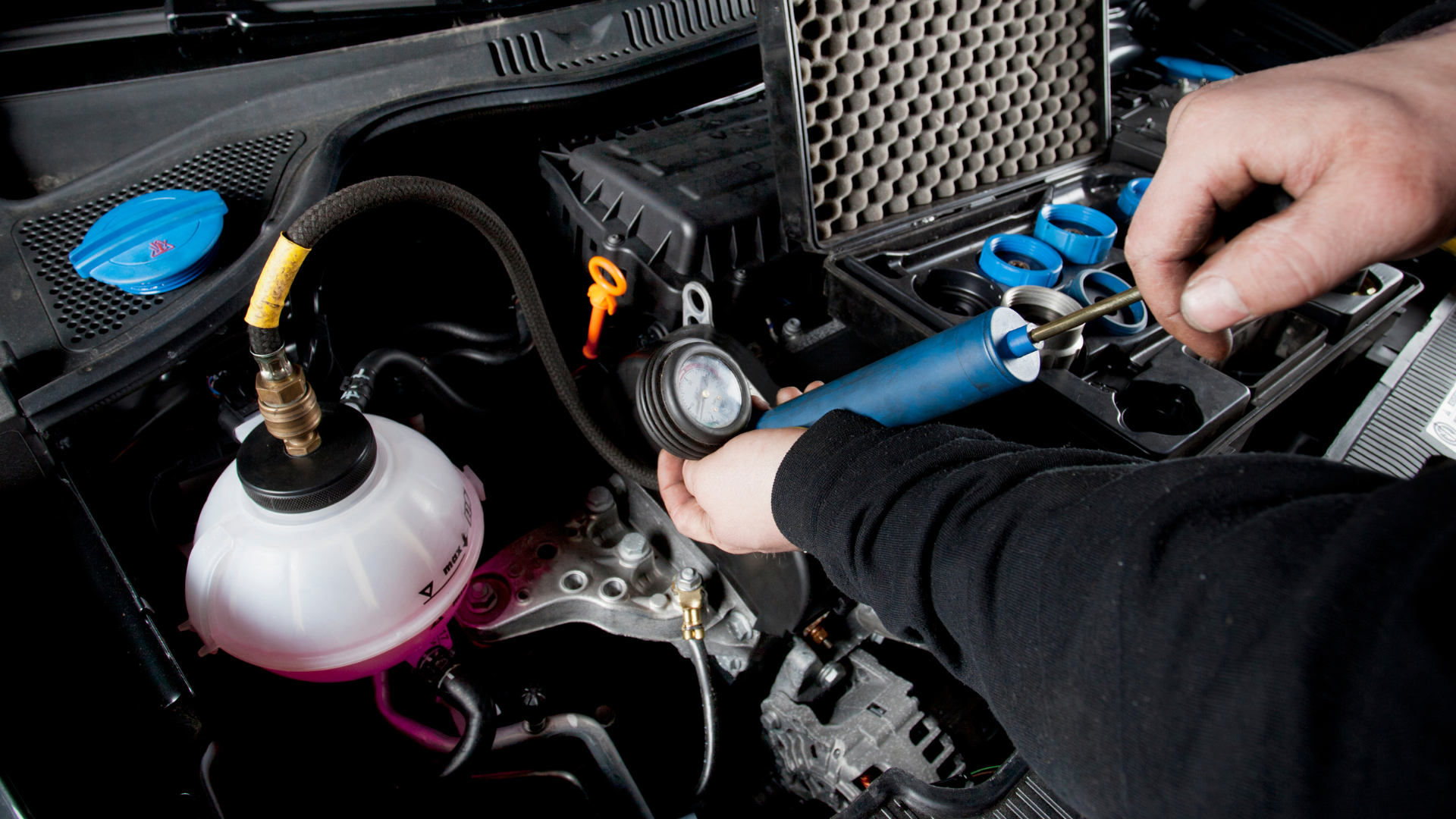
Mechanic using a gauge to service a car engine with hoses and tools under the hood

Ask What Could Cause Bigger Damage

Some repairs are not immediate safety concerns, but delaying them could damage other components.


A cooling-system problem is a good example.


If the vehicle is overheating or losing coolant, continuing to drive may turn a manageable repair into a much larger engine problem.


The same can happen with low oil pressure, severe fluid leaks, or certain warning lights.


Ask the technician what could happen if each repair is delayed for a week, a month, or several months.


That question can help separate truly urgent maintenance from work that can be scheduled later.

Motor oil pouring from a gray container into a black pan in an engine bay

Separate Necessary Repairs From Preventive Maintenance

Not every recommendation means the car is about to break down.


Some work is preventive.


That does not make it unimportant, but it may give you more flexibility.


For example, a maintenance service that is coming due may be safely scheduled after a more urgent repair is completed.


Ask for the repair list in priority order.


A reputable shop should be able to explain which items need attention immediately, which should be handled soon, and which can reasonably wait.


That information gives you a better foundation for budgeting.

Mechanic writing on a clipboard beside an open car engine in a garage

Get a Written Estimate

When several repairs are involved, ask for a written breakdown.


You want to know the cost of each repair separately rather than receiving only one large total.


That makes it easier to decide what can be completed now.


It also helps you plan for the remaining work.


If one repair costs $450 and another costs $900, seeing them separately may help you create a realistic schedule instead of assuming everything must be paid at once.

Hands counting dollar bills at a desk with a notebook and pen nearby

Use Savings Before Adding Debt When Possible

If you have an emergency or vehicle-repair fund, this is exactly the kind of expense it was created for.


Using savings may be less expensive than borrowing.


You also do not necessarily need to drain the entire account.


If the most urgent repair costs less than the full estimate, you may be able to handle that repair now while keeping some savings available for another emergency.


The goal is to solve the immediate problem without creating a new one.

Hands exchanging U.S. dollar bills over a desk with a notebook and more cash nearby

Borrow Only for the Gap

If the car is essential for getting to work, school, or medical appointments and savings are not enough, borrowing may be one option.


A short-term installment loan may help cover a necessary repair in some situations, but the amount should be based on the actual shortfall.


If the urgent repair costs $700 and you already have $300 available, borrowing only what you need can reduce the amount you have to repay.


Portside Finance encourages borrowers to review the total cost and repayment schedule before accepting any loan.


The repair should solve the transportation problem without creating an unaffordable payment next month.

Hands writing in a spiral planner beside a piggy bank and coins on a desk

Make a Plan for the Remaining Repairs

Once the urgent work is complete, do not forget the rest of the list.


Write down what still needs attention and when the mechanic recommends addressing it.


Then start setting money aside.


Even small weekly transfers into a vehicle-repair fund can make the next visit easier to handle.

Mechanic grinding a car brake rotor with sparks in an auto repair shop

Fix the Right Problem First

When several car repairs appear at once, the biggest number is not always the first priority.


Focus on safety, the risk of additional damage, and how long each repair can reasonably wait.


Portside Finance offers short-term installment loans while emphasizing responsible borrowing and practical financial planning.


If your car needs more work than your budget can handle at once, prioritize carefully, use savings where possible, borrow only when necessary, and make a plan for the repairs that still remain.


October 22, 2026
Some months are simply more expensive than others.  A car repair, annual insurance premium , medical bill, school expense, utility spike, or home maintenance cost can all land within the same few weeks. When that happens, even a normally workable budget can feel stretched. The goal is not to pretend every bill can be handled comfortably. It is to slow down, organize the situation, and decide what needs attention first.
October 14, 2026
A budget is not supposed to be permanent.  It is a working plan for the money you have right now. When your income changes, that plan should change with it. A raise, reduced work hours, a new job, overtime, seasonal income, or a temporary gap between paychecks can all change what is realistic. If the budget stays the same while income moves up or down, financial stress can build quickly. Updating the budget helps keep spending, saving, and debt payments aligned with what is actually coming in.
October 9, 2026
It can be confusing to check your credit score in one place, then see a different number somewhere else. One app may show a score of 690, while a lender pulls a score that is noticeably higher or lower. That does not necessarily mean one of them is wrong. Consumers can have multiple valid credit scores at the same time because different scoring models, credit bureaus, and reporting dates may be used. Understanding why those differences happen can make credit monitoring less frustrating.
September 29, 2026
When comparing loan offers, the monthly payment is often the first number people look at. That makes sense because the payment has to fit into the household budget. But a lower monthly payment does not always mean a lower-cost loan. In many cases, the payment is smaller because the repayment period is longer. That may make the loan easier to manage from month to month, but it can also increase the total amount paid over time. Understanding the difference between monthly affordability and total borrowing cost can help consumers make more informed decisions.
September 23, 2026
Closing an old credit card can feel like a smart financial move, especially if you no longer use the account or want to simplify your finances. But before you close it, it helps to understand how that decision may affect your overall credit profile . Credit scores are influenced by several factors, including payment history, credit utilization, account age, and the mix of credit you have. Closing an older card can affect more than one of those areas, depending on your balances and the rest of your accounts.
September 16, 2026
When comparing loans, the monthly payment often gets the most attention. It is easy to understand why: borrowers need to know whether the payment fits into the budget. But the monthly payment does not tell the whole story.  Another number to review is the annual percentage rate , or APR. APR can help borrowers compare the cost of different loans by expressing certain borrowing costs as a yearly percentage. Understanding what that number represents can make it easier to evaluate whether one loan is more expensive than another.
September 8, 2026
A credit score can move up or down even when every bill has been paid on time. That can be confusing, especially for someone who assumes payment history is the only factor affecting the number.  Payment history is very important, but credit scoring models also consider other information in your credit report. Changes in balances, account activity, new applications, credit limits, and the age of your accounts can all influence your score. Understanding those factors can make credit changes feel less mysterious and help you focus on habits that matter over time.
September 2, 2026
When you have several debts at the same time, deciding where to focus can feel overwhelming. Credit cards, installment loans, medical balances, auto loans, and other obligations may all have different interest rates, minimum payments, and payoff timelines.  There is no single payoff strategy that is right for everyone. The best approach depends on your budget , interest costs, motivation, and need for financial flexibility. What matters most is choosing a method you can maintain consistently.
August 25, 2026
Your credit score is influenced by several factors, and one of the most important is credit utilization. Even people who consistently pay their bills on time can see their credit scores move up or down depending on how much revolving credit they are using.  Understanding credit utilization can make it easier to manage credit cards strategically, avoid unnecessary score fluctuations, and build healthier long-term financial habits.
August 18, 2026
A credit report is a detailed record of how you have managed certain types of credit and debt. Lenders, landlords, insurers, and other organizations may use information from your credit report when making decisions about applications, rates, deposits, or other financial matters.  Understanding what appears on your credit report can make it easier to monitor your financial history, identify errors, and build stronger credit habits. Portside Finance encourages consumers to review their credit information regularly and understand how everyday borrowing and payment decisions may affect their financial profile.
More Posts