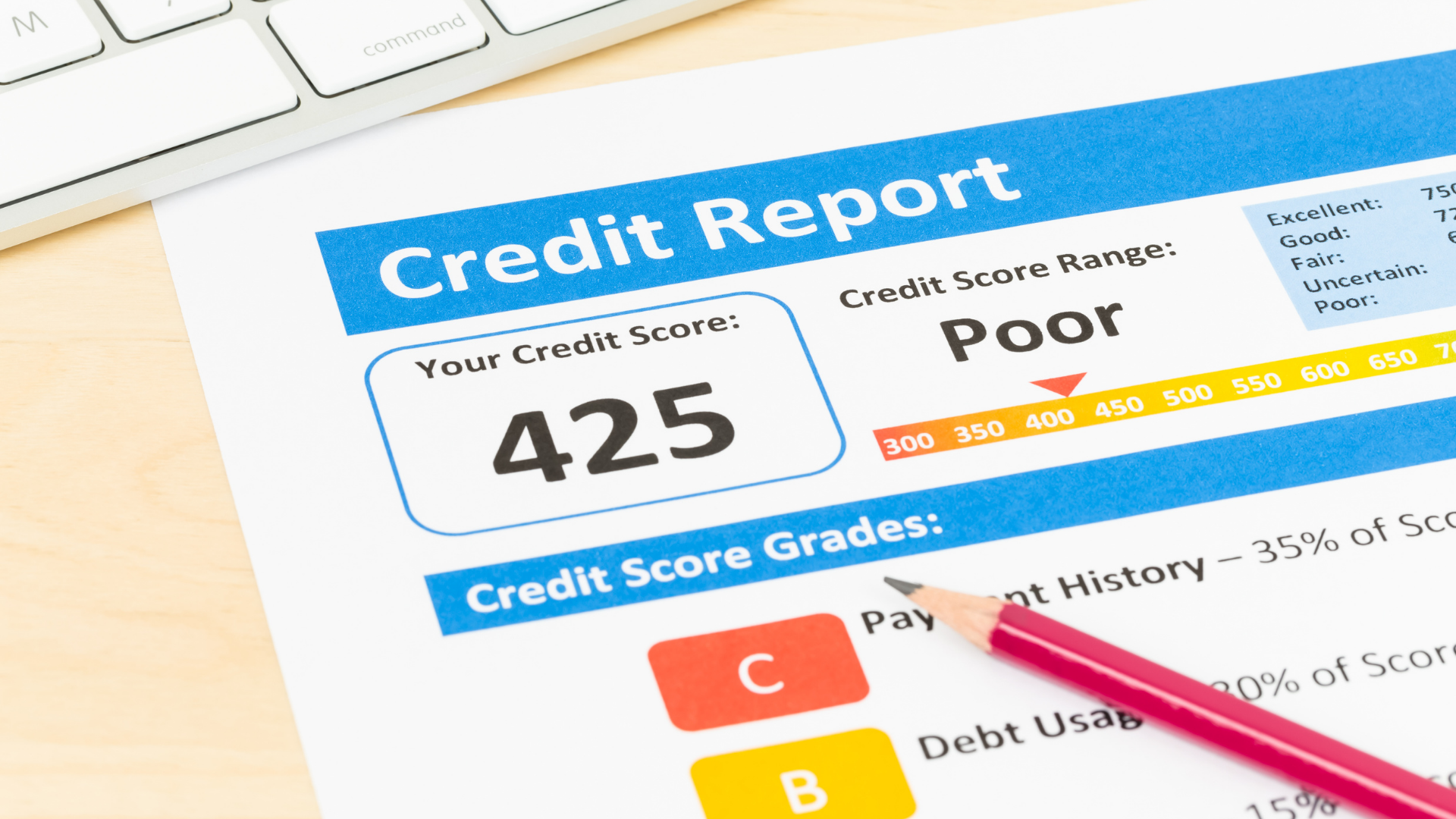
Why Closing an Old Credit Card Can Affect Your Credit Profile
Closing an old credit card can feel like a smart financial move, especially if you no longer use the account or want to simplify your finances.
But before you close it, it helps to understand how that decision may affect your overall credit profile.
Credit scores are influenced by several factors, including payment history, credit utilization, account age, and the mix of credit you have. Closing an older card can affect more than one of those areas, depending on your balances and the rest of your accounts.
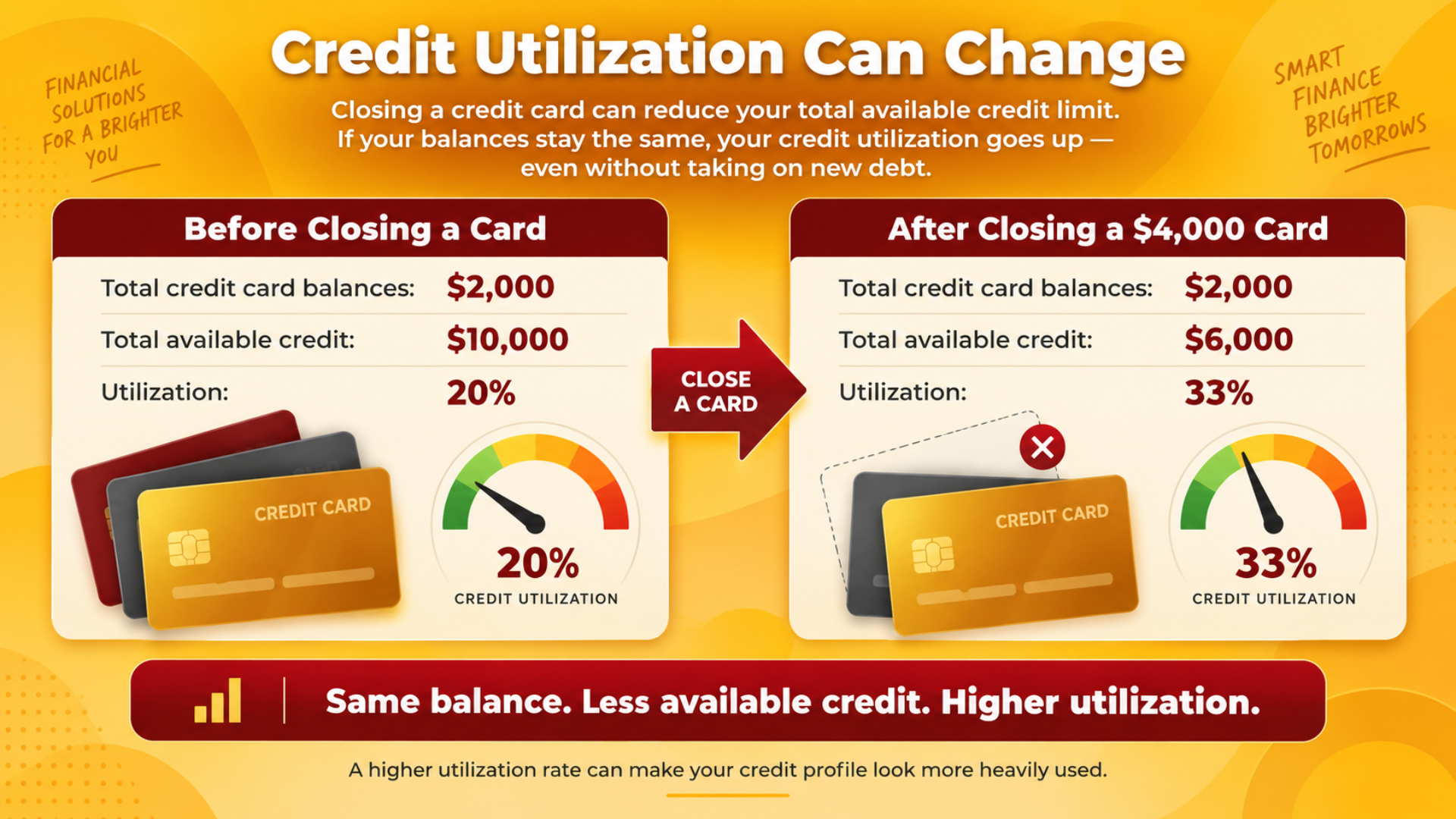
Credit Utilization Can Change
One of the biggest effects of closing a credit card is the loss of that card’s available credit limit.
Credit utilization compares the amount of revolving credit you are using with the total amount available to you.
For example, if you have $2,000 in total credit card balances and $10,000 in total available credit, your utilization is 20%.
If you close an old card with a $4,000 limit, your total available credit falls to $6,000. With the same $2,000 balance, your utilization rises to about 33%.
Even though you did not add any new debt, your credit profile can look more heavily utilized.

Older Accounts Can Matter
The age of your credit history is another factor considered in many scoring models.
Older accounts can contribute to a longer credit history, which may help demonstrate how you have managed credit over time.
Closing an old card does not usually erase that account from your credit reports immediately. Closed accounts in good standing may remain on your reports for years.
Still, once they eventually fall off, the age of your remaining accounts could have more influence on your average credit history.
That is one reason consumers sometimes keep an older no-fee card open even if they rarely use it.
Payment History Does Not Disappear Right Away
If the account has a strong history of on-time payments, closing it does not mean that positive record vanishes immediately.
The account can remain part of your credit history for a period of time after closure.
That means the effect of closing a card is not always immediate or dramatic.
The impact depends on the rest of your credit profile, including your other accounts, balances, limits, and history.
Fees Can Change the Decision
Keeping an old card open is not always the right choice.
If the card has a significant annual fee, poor terms, or creates a temptation to overspend, closing it may still make sense.
The goal should not be to keep every account open indefinitely.
Instead, compare the cost and usefulness of the card with the possible credit impact of closing it.
If the card has no annual fee and you can manage it responsibly, keeping it open may be worth considering.

Paying Down Balances First Can Help
If you plan to close an old card, reducing balances on your other credit cards first may help limit the effect on utilization.
That is especially useful when the account you are closing has a large credit limit.
You should also review whether you have any recurring charges tied to the card, such as subscriptions or automatic bill payments.
Moving those charges first can help avoid missed payments or service interruptions.
You Do Not Need to Carry a Balance
One common misconception is that you need to carry debt on a credit card to keep it active or help your credit.
You do not need to carry a revolving balance and pay interest simply for credit-building purposes.
A small occasional purchase followed by paying the balance according to the account terms may be enough to keep an unused card active.
The exact policy depends on the card issue

Look at the Whole Credit Picture
Closing one old card is not automatically harmful, and keeping every account open is not automatically better.
The decision should depend on the card’s fees, credit limit, age, your current balances, and how well the account fits your financial habits.
Portside Finance encourages consumers to look beyond a single credit-score number and focus on healthy financial habits overall.
Before closing an old credit card, review your total available credit, existing balances, fees, and other accounts. A little planning can help you make the change without creating an avoidable surprise in your credit profile.