Building Better Money Management Skills

August 4, 2026

Strong money management is not about earning a certain income or having extensive financial experience. It is about developing habits that help you make informed decisions, prepare for unexpected expenses, and work toward your financial goals with confidence. Whether you are just beginning your financial journey or looking to strengthen your current routine, improving your money management skills can provide long-term benefits.


Every financial situation is unique, but a few practical strategies can help almost anyone build a stronger financial foundation. Portside Finance encourages responsible financial planning and believes that informed decisions today can support greater financial stability tomorrow.

Hands writing a budget beside a calculator and coffee on a wooden desk

Start With a Clear Understanding of Your Finances

Effective money management begins with knowing where your money is going. Reviewing your monthly income and expenses provides a clearer picture of your financial habits and helps identify opportunities for improvement.


Many people are surprised to discover how small recurring purchases can add up over time. Tracking expenses for several weeks or months can reveal spending patterns that may otherwise go unnoticed. This information can then be used to create a realistic budget that reflects your priorities rather than relying on estimates.


A budget should be flexible enough to accommodate everyday life while providing structure for consistent financial decision-making.

Hand placing a coin into a pink piggy bank beside an open book on a desk

Set Achievable Financial Goals

Having specific financial goals gives purpose to your budget and helps guide spending decisions. These goals may include building an emergency fund, paying down existing debt, saving for a vacation, purchasing a home, or preparing for retirement.


Breaking larger goals into smaller milestones often makes them feel more manageable. Reaching each milestone can provide motivation to continue building healthy financial habits over time.


Financial progress rarely happens overnight, but consistency often produces meaningful results.

Worker in red shirt repairing roof shingles with a hammer and tools.

Prepare for Unexpected Expenses

Even the most carefully planned budget cannot anticipate every situation. Vehicle repairs, medical bills, home maintenance, or other unexpected expenses can arise without warning.


Building an emergency savings fund is one way to prepare for these situations. Even setting aside modest amounts on a regular basis can gradually create a financial cushion that reduces stress when unexpected costs occur.


There may also be situations where immediate financial assistance is needed before savings are available. In those circumstances, a responsibly managed short-term installment loan may provide a practical solution while allowing borrowers to repay the balance through scheduled payments that fit their budget.

Three coworkers reviewing loan agreement documents in a bright office meeting room

Make Borrowing Part of a Financial Plan

Borrowing should always be approached thoughtfully and with a clear repayment strategy. Before accepting any loan, it is important to understand the payment schedule, interest, fees, and overall financial commitment.


Responsible borrowing means considering how loan payments fit within your monthly budget while avoiding borrowing more than is reasonably necessary. Having a repayment plan before funds are received can help borrowers stay organized and reduce financial stress throughout the life of the loan.


When used appropriately, installment loans can provide flexibility during unexpected financial situations without becoming a long-term burden.

Hands counting cash beside a budget and pen on a desk

Review Your Financial Progress Regularly

Money management is an ongoing process rather than a one-time task. Regularly reviewing your budget, savings goals, and spending habits allows you to adjust as your financial circumstances change.


Life events such as career changes, growing families, or new financial responsibilities often require updates to your financial plan. Periodic reviews help ensure that your budget continues supporting both current needs and future goals.


Even small adjustments made consistently over time can contribute to improved financial confidence.

Two women in an office meeting, smiling as one reviews an installment loan agreement across a desk.

Building Confidence Through Better Financial Habits

Portside Finance is committed to helping customers make informed financial decisions by offering responsible short-term installment loans and educational resources that promote financial wellness. If you are facing an unexpected expense and would like to learn more about your financing options, contact Portside Finance today to discover solutions designed to fit your individual financial needs.


August 18, 2026
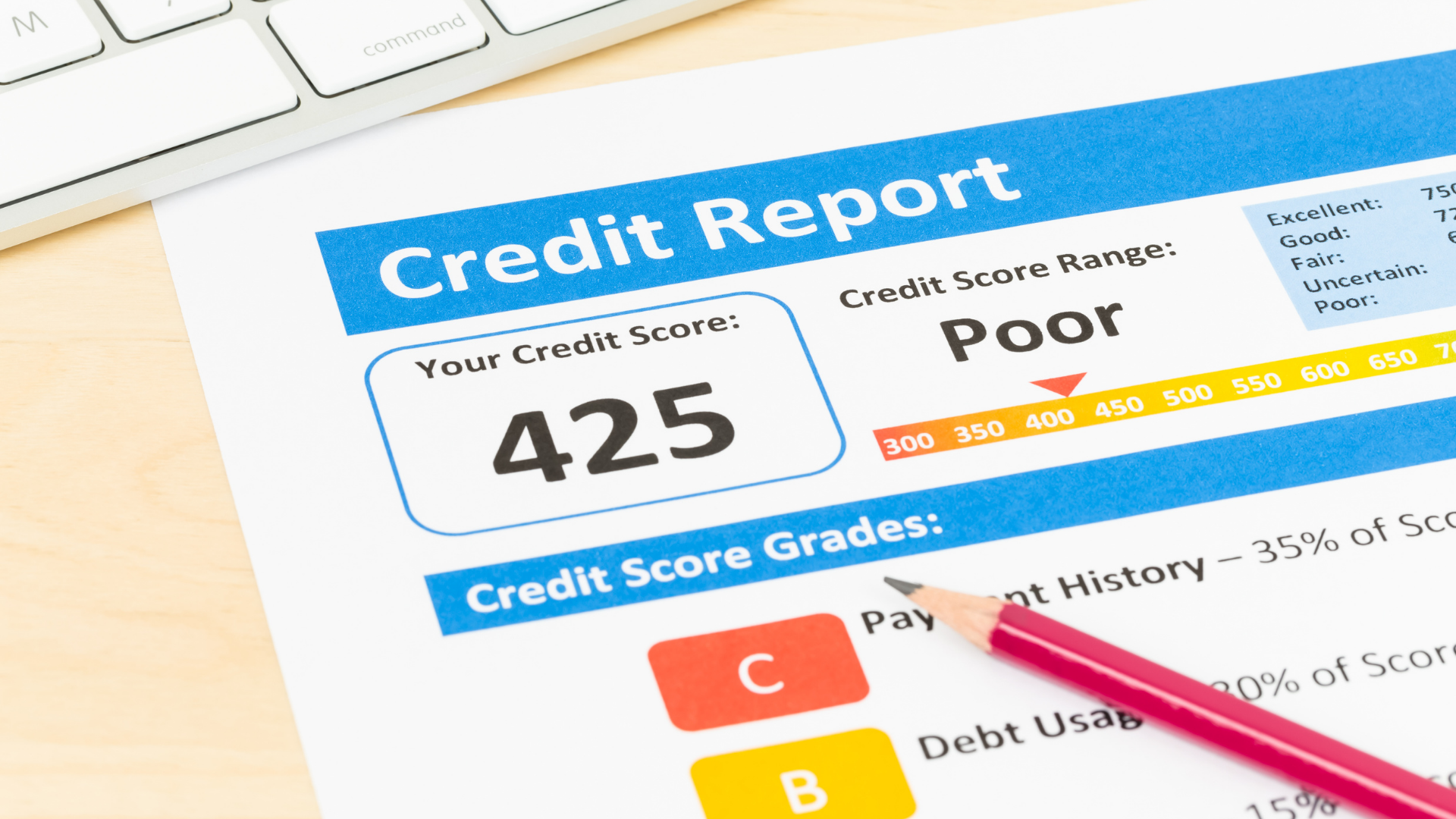
A credit report is a detailed record of how you have managed certain types of credit and debt. Lenders, landlords, insurers, and other organizations may use information from your credit report when making decisions about applications, rates, deposits, or other financial matters.  Understanding what appears on your credit report can make it easier to monitor your financial history, identify errors, and build stronger credit habits. Portside Finance encourages consumers to review their credit information regularly and understand how everyday borrowing and payment decisions may affect their financial profile.
August 11, 2026
Even a carefully planned budget can get off track. An unexpected car repair, a higher utility bill, a family obligation, or simply a month with more discretionary spending than usual can push expenses beyond the amount originally planned. Going over budget does not mean the entire financial plan has failed. What matters most is how quickly the situation is reviewed and adjusted.  Recovering from an over-budget month starts with understanding what happened, identifying which expenses can be changed, and creating a practical plan for the weeks ahead. Portside Finance encourages consumers to approach short-term financial setbacks with organization, realistic expectations, and responsible decision-making rather than panic.
July 28, 2026
Unexpected expenses are a part of life. A vehicle may require an expensive repair, a home appliance may stop working without warning, or an unforeseen medical expense could suddenly affect your monthly budget. While it is impossible to predict when these situations will arise, preparing for them financially can help reduce stress and make it easier to move forward with confidence.  One of the most effective ways to prepare for life’s surprises is by building an emergency fund . Even modest savings set aside over time can provide valuable financial flexibility when unexpected costs occur.
July 21, 2026
Not all borrowing works the same way. Whether you are covering an unexpected expense or managing a temporary financial gap, understanding the differences between revolving credit and a personal loan can help you make more informed financial decisions.  While every person’s financial situation is unique, revolving credit can become difficult to manage if balances continue to grow over time. In some situations, a small personal installment loan with predictable payments may provide a more structured approach to borrowing.
July 14, 2026
Your credit score is one of the most important numbers in your financial life. It can affect your ability to qualify for loans, rent a home, secure favorable interest rates, and even influence certain employment or insurance decisions. While many people know that paying bills on time is important, fewer understand the full range of factors that contribute to a healthy credit profile.  Learning how credit scores work can help you make informed financial decisions and develop habits that support long-term financial wellness.
July 7, 2026
No matter how carefully you plan, life has a way of introducing unexpected expenses. A vehicle may need repairs, a household appliance may stop working, or an unplanned medical bill may arrive at an inconvenient time. While it is impossible to predict every financial challenge, it is possible to build a budget that is flexible enough to handle many of life’s surprises.  A well-designed budget is not meant to be rigid. Instead, it should provide structure while allowing room to adjust as circumstances change. The more adaptable your budget becomes, the better prepared you may be to navigate unexpected expenses without disrupting your long-term financial goals.
June 30, 2026
Many people think of personal loans as tools for handling unexpected expenses or consolidating debt. However, some borrowers also wonder whether taking out a small personal loan can help build or strengthen their credit history.  The answer is that it can—but only under the right circumstances. A personal loan is not a shortcut to a higher credit score, nor is it appropriate for everyone. Like any financial product, it should be used thoughtfully and only when it fits within a broader financial plan. Understanding both the potential benefits and the risks can help borrowers make informed decisions.
June 24, 2026
Most people are familiar with the idea of budgeting for predictable monthly costs. Rent or mortgage payments, utilities, groceries, insurance, and transportation expenses often follow relatively consistent patterns. The challenge arises when life introduces expenses that are difficult to anticipate.  Vehicle repairs, medical bills, home maintenance issues, emergency travel, and other unexpected costs can quickly disrupt even the most carefully prepared budget. While it may not be possible to predict exactly when these expenses will occur, it is possible to create a spending plan that helps prepare for them. A flexible financial plan can make unexpected expenses feel more manageable and reduce the stress that often accompanies financial surprises.
 applying for a quick loan with bad credit
June 17, 2026
Need a quick loan with bad credit in Florida? Explore same day approval loans and get fast cash today. Learn more about your options.
June 16, 2026
Many people approach personal finance with the idea that success means never making mistakes, never facing unexpected expenses, and always sticking perfectly to a budget. While those goals may sound appealing, real life rarely works that way.  Unexpected car repairs happen. Medical bills appear without warning. Household expenses fluctuate. Employment situations change. Even the most carefully planned budget can be disrupted by circumstances beyond a person’s control. For this reason, financial flexibility is often more valuable than financial perfection. The ability to adapt, adjust, and respond to changing circumstances can play a major role in long-term financial stability .
More Posts