Why Sinking Funds Work Well for Predictable but Irregular Expenses
Some expenses are not true emergencies.
They just do not happen every month.
Car registration, annual insurance premiums, holiday spending, school costs, home maintenance, vet bills, and seasonal expenses can all feel sudden if there is no money set aside for them.
That is where sinking funds can help.
A sinking fund is money saved gradually for a specific future expense.
Instead of waiting for the bill to arrive and hoping there is enough room in the budget, you prepare for it a little at a time.

Predictable Does Not Mean Monthly
A lot of people build budgets around recurring monthly bills.
Rent, utilities, phone service, groceries, and transportation are easy to remember because they happen regularly.
Irregular expenses are easier to forget.
That does not make them unpredictable.
If you know your car will eventually need tires, your insurance renews every six months, or holiday spending happens every year, those costs can be planned for even if the exact amount changes.
The goal is to turn a large future bill into smaller monthly contributions.

Small Contributions Can Reduce Future Stress
Suppose you expect a $600 annual expense.
Saving $50 a month can make that bill much easier to handle when it arrives.
The same idea works with smaller goals.
You might save a little each paycheck for car repairs, back-to-school costs, annual fees, gifts, or home maintenance.
The amount does not need to be perfect.
What matters is creating a habit of preparing before the expense becomes urgent.

Give Each Fund a Specific Purpose
A sinking fund works best when the money has a clear job.
Instead of one general savings account, you might create separate categories such as:
- Car repairs.
- Annual insurance.
- Home maintenance.
- Travel.
- Holiday spending.
- Medical costs.
This makes it easier to see whether you are actually prepared for each expense.
You do not necessarily need separate bank accounts for every category. Some people simply track the amounts within one savings account.
The important part is knowing what the money is reserved for.
Sinking Funds Can Protect Your Emergency Fund
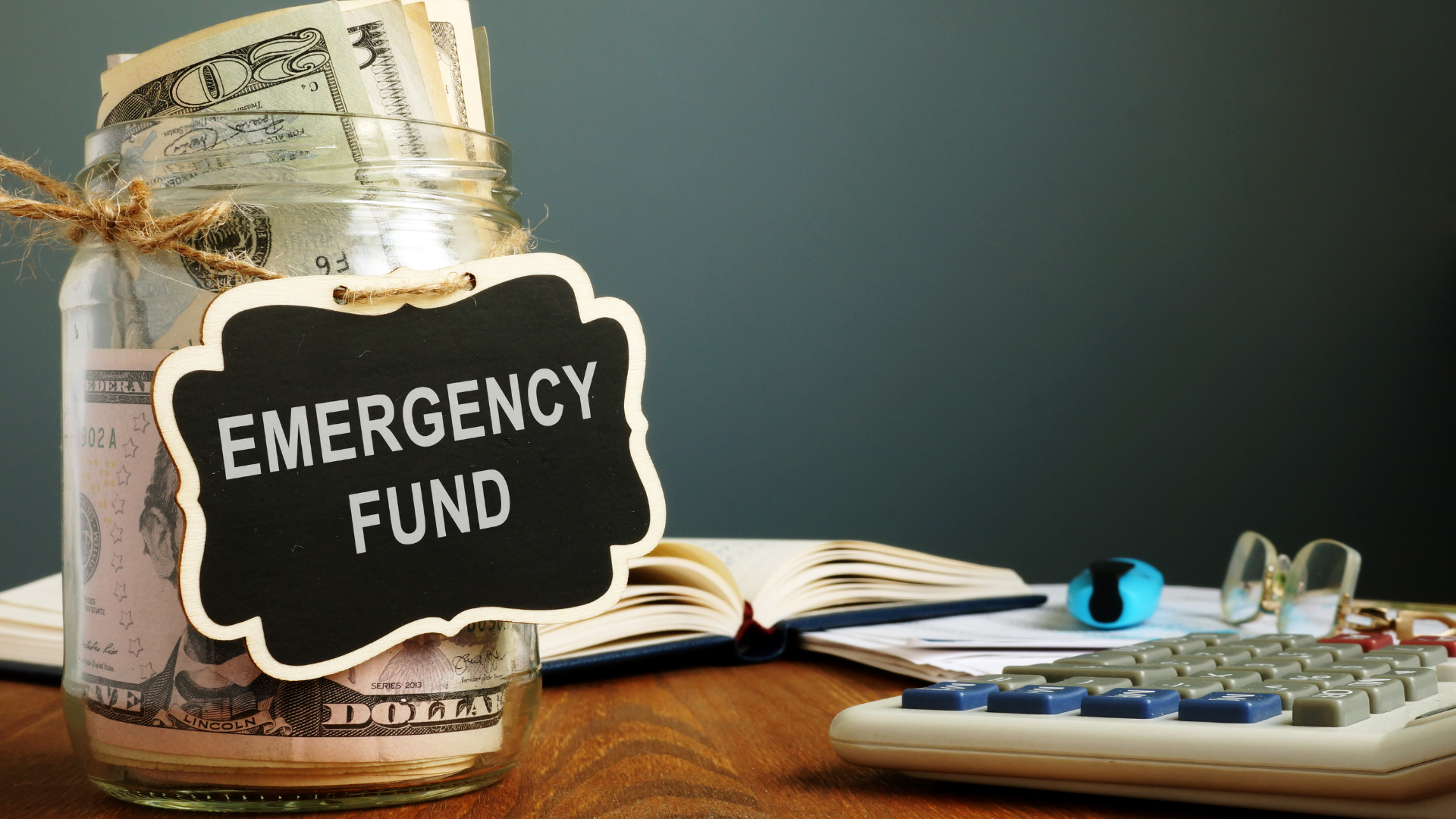
Emergency savings and sinking funds serve different purposes.
An emergency fund is meant for truly unexpected events.
A sinking fund is for something you already know is likely to happen.
If you use emergency savings every time an annual bill or routine repair comes due, the account may never have a chance to grow.
Planning for known expenses separately can help preserve emergency savings for situations that are genuinely unexpected.

Start With the Expenses That Cause the Most Trouble
You do not need ten sinking funds immediately.
Start with the expenses that tend to disrupt your budget the most.
For many people, that might be vehicle repairs.
For someone else, it could be property taxes, insurance, school expenses, or holiday spending.
Pick one or two categories and estimate how much you may need over the next year.
Then divide that amount by the number of paychecks or months before the expense is expected.
That gives you a realistic savings target.

Adjust as You Learn More
Sinking funds are not fixed forever.
If the expense turns out to be higher than expected, increase the contribution if your budget allows.
If the cost drops, redirect the extra money somewhere else.
The point is not perfect forecasting.
It is reducing the number of expenses that feel like surprises.
Borrowing Should Not Replace Planning
Sometimes a necessary expense still arrives before there is enough saved.
A short-term installment loan may be one option in certain situations, but borrowing should be based on the actual gap and a realistic repayment plan.
Portside Finance encourages borrowers to consider the total cost and repayment schedule before taking on new debt.
If a sinking fund already covers part of the expense, borrowing only the difference may reduce the amount that needs to be repaid.
Make Irregular Expenses More Regular
Sinking funds work because they change the timing of the problem.
Instead of dealing with one large bill all at once, you prepare for it gradually.
That can make budgeting more predictable and reduce the temptation to rely on credit every time an irregular expense appears.
Portside Finance offers short-term installment loans while emphasizing responsible borrowing, budgeting, and practical financial planning.
The more predictable expenses you prepare for in advance, the fewer “emergencies” your budget may have to absorb later.