Can a Small Personal Loan Help Build Credit?
Many people think of personal loans as tools for handling unexpected expenses or consolidating debt. However, some borrowers also wonder whether taking out a small personal loan can help build or strengthen their credit history.
The answer is that it can—but only under the right circumstances. A personal loan is not a shortcut to a higher credit score, nor is it appropriate for everyone. Like any financial product, it should be used thoughtfully and only when it fits within a broader financial plan.
Understanding both the potential benefits and the risks can help borrowers make informed decisions.
How Personal Loans May Affect Credit
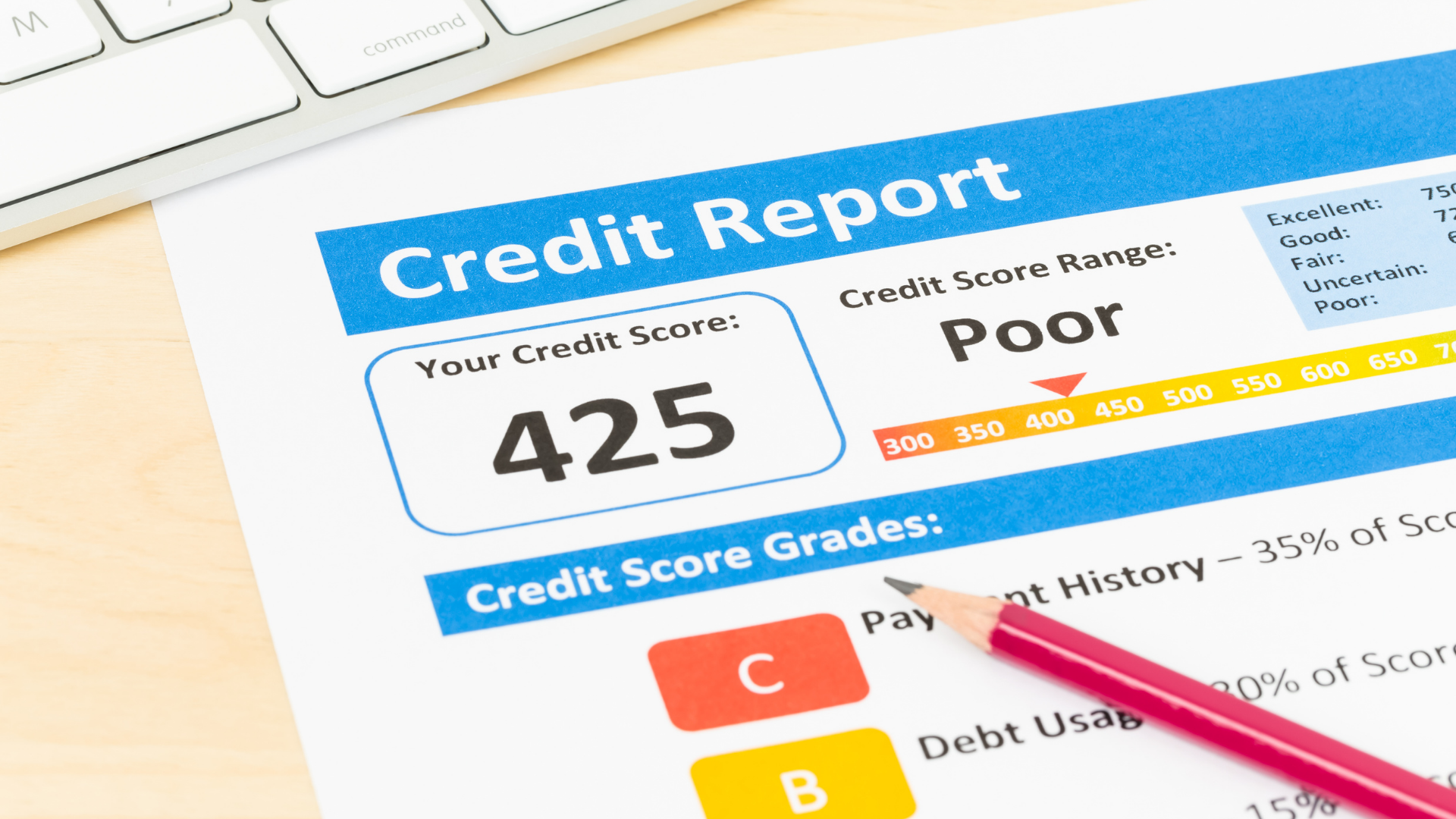
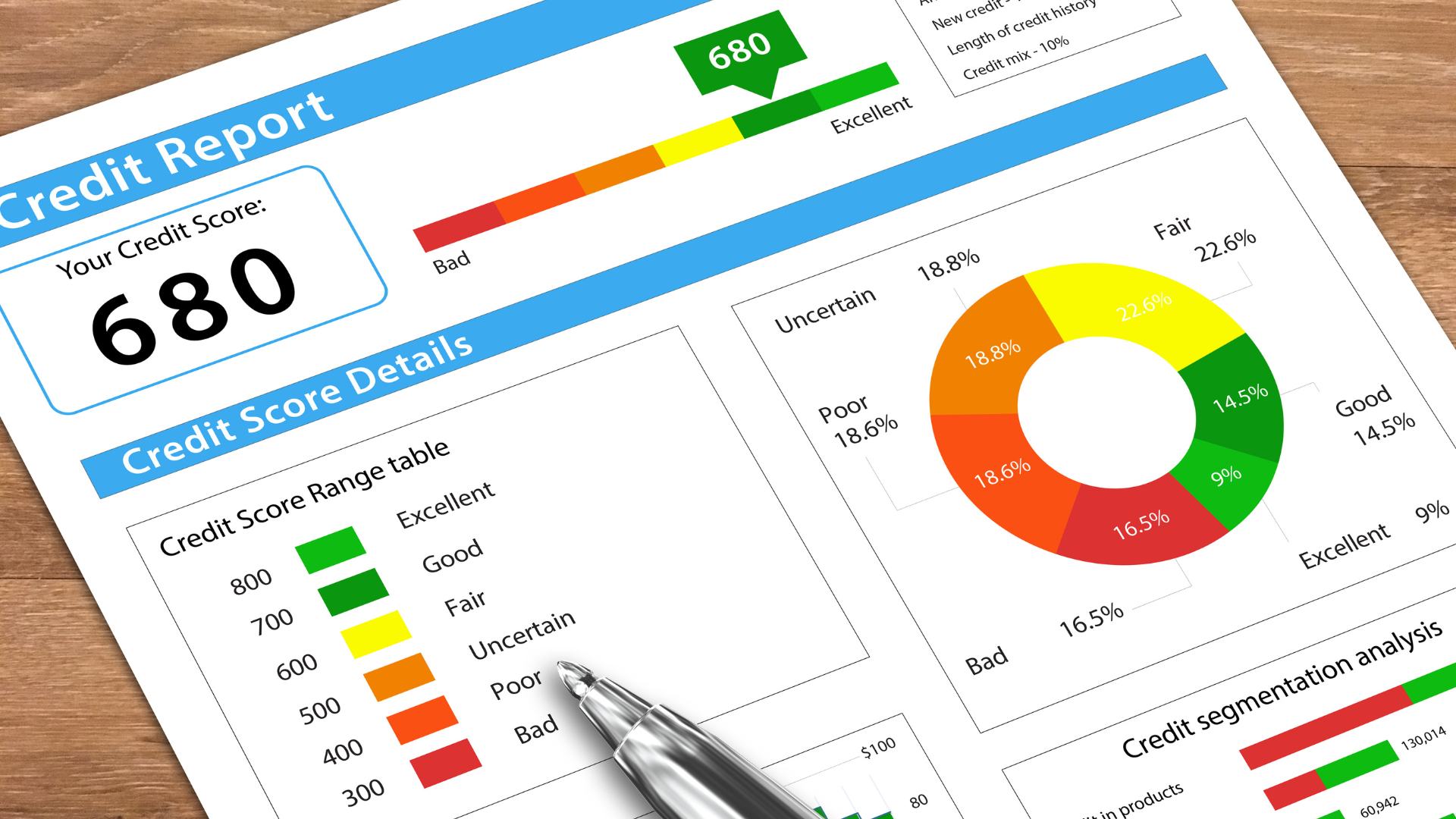
Credit scores are based on several factors, including payment history, the types of credit a person uses, the length of their credit history, and the amount of debt they carry.
For lenders that report loan activity to the major credit bureaus, making every payment on time may contribute positively to a borrower’s credit history over time. An installment loan can also add a different type of credit account to a person’s credit profile, which may benefit some borrowers depending on their overall financial situation.
However, simply taking out a loan does not automatically improve a credit score.
Positive results generally depend on consistent, on-time payments and responsible management of the loan.

Who Might Consider This Strategy?
A small personal loan may be worth considering for individuals who already have a legitimate financial need and want to establish or strengthen a positive payment history.
For example, someone with limited credit history who needs funds for a necessary expense may benefit from responsibly managing an installment loan, provided the lender reports payment activity to the credit bureaus and the borrower can comfortably afford the monthly payments.
Likewise, borrowers rebuilding their credit after previous financial challenges may find that consistently making on-time payments supports their long-term financial goals.
In these situations, improving credit should be viewed as a potential secondary benefit—not the sole reason for borrowing.
Who Should Be Careful?
Using a loan solely to try to improve a credit score is not always the right decision.
Borrowers who are already struggling to manage existing debt should be cautious about taking on another financial obligation. Missing payments or making late payments can negatively affect credit and create additional financial stress.
It is also important to remember that applying for new credit may result in a hard inquiry on your credit report, which can have a temporary impact on your credit score.
If the monthly payment does not comfortably fit within your budget, taking out a loan simply to build credit may create more problems than it solves.

Responsible Borrowing Is the Key
Whether the goal is addressing an unexpected expense or strengthening financial stability, responsible borrowing should always come first.
Before accepting any loan, borrowers should understand the repayment schedule, interest rate, fees, and total cost of borrowing. They should also consider whether the payments fit comfortably within their monthly budget.
Making every payment on time is one of the most important factors in maintaining a positive
credit history. Consistency is often more valuable than the size of the loan itself.
Building Credit Takes Time
There is no single action that guarantees a stronger credit profile.
Building good credit is typically the result of responsible financial habits practiced over months and years. Paying bills on time, managing debt carefully, maintaining realistic budgets, and using credit responsibly all contribute to long-term financial health.
A small personal loan may play a role in that process for some borrowers, but it should be viewed as one tool among many rather than a quick fix.

Making the Right Decision for Your Situation
Every financial situation is different. What makes sense for one borrower may not be appropriate for another. Before taking out a personal loan, it is important to evaluate both your immediate financial needs and your ability to repay the loan as agreed.
At Portside Finance, we believe responsible lending begins with informed decision-making. Our installment loans are designed to help eligible borrowers manage unexpected financial needs while providing clear repayment terms and straightforward guidance. If a personal loan fits your financial circumstances, using it responsibly may support both your immediate needs and your long-term financial goals.
The most effective way to build credit is not by borrowing more than you need. It is by borrowing responsibly, making every payment on time, and developing healthy financial habits that support lasting financial success.