How Portside Finance Helps Clients With Less-Than-Perfect Credit

September 23, 2025

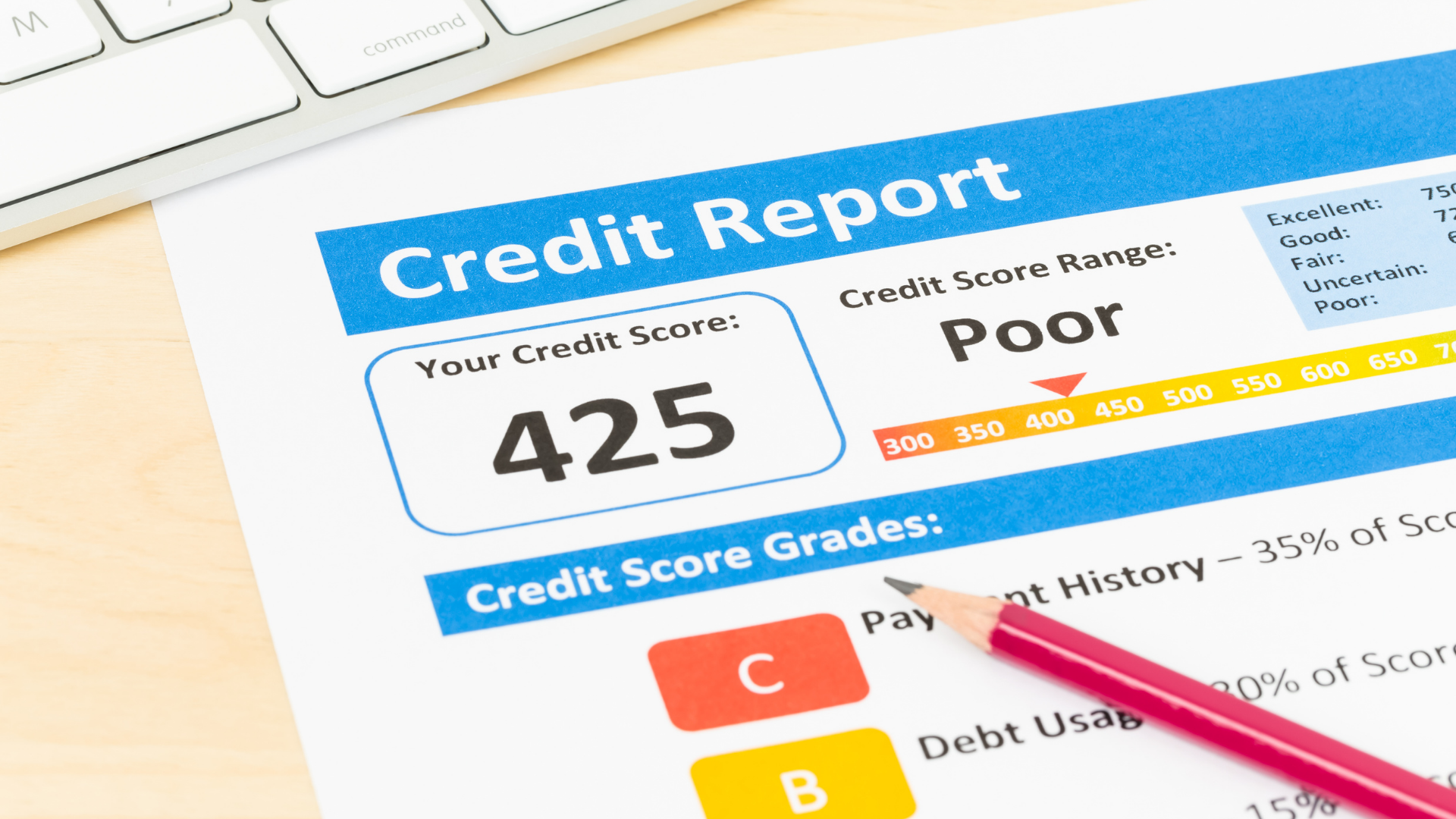
Credit scores play an important role in financial opportunities, but not everyone has a perfect credit history. Unexpected medical expenses, job loss, or past mistakes can cause credit scores to dip, leaving individuals and families feeling stuck when they need financial assistance. Traditional lenders often deny loans to applicants with lower credit ratings, creating additional stress for those already facing challenges. At Portside Finance, we take a different approach. We understand that a number does not define a person’s entire financial picture, and we provide lending solutions designed to help clients with less-than-perfect credit move forward.
Understanding the Challenge of Poor Credit

A lower credit score often signals risk to traditional banks. Because of this, many lenders will either deny applications outright or approve loans at extremely high interest rates. This approach leaves borrowers without meaningful access to funds or saddled with repayment terms that make it difficult to succeed. Yet, a credit score is only one factor in someone’s financial situation. Income stability, repayment history on specific debts, and current obligations all provide a more complete view of a borrower’s ability to repay a loan.

Portside Finance’s Alternative Approach

At Portside Finance, we look beyond the score. Our evaluation process considers the broader financial picture, allowing us to extend loan opportunities to individuals who may otherwise be overlooked. By using collateral-based lending, such as vehicle title loans or other secured options, we can reduce risk while offering clients more manageable loan terms. This makes borrowing possible for people who have the ability to repay but may lack the credit history that traditional banks demand.

Benefits of Working With Portside Finance

Choosing Portside Finance offers several advantages for clients with less-than-perfect credit:


  • Accessible approval criteria: We focus on real-life factors instead of relying solely on credit scores.

  • Fair repayment terms: Our loans are structured to be realistic and achievable, avoiding the overwhelming burden of excessive interest rates.

  • Opportunity to rebuild credit: Timely repayment of a loan can improve credit history, giving clients a path toward stronger financial standing.

  • Fast funding: Because we streamline our process, clients often receive funds more quickly than they would through traditional lending channels.

Supporting Long-Term Financial Stability

We believe that access to credit should be a stepping stone, not a setback. By helping clients manage immediate needs responsibly, we also open the door to longer-term financial health. Borrowers who repay their loans on time can rebuild their credit, access larger amounts in the future, and gain confidence in managing financial obligations.


This approach reflects our philosophy that financial services should empower people rather than punish them. We provide guidance throughout the borrowing process, ensuring that clients understand their obligations and make informed decisions that support their goals.

Building Trust Through Transparency

Another way we support clients is through clear, transparent communication. Many lenders hide fees or use confusing terms that leave borrowers unsure of what they owe. At Portside Finance, we prioritize honesty. Our loan agreements are straightforward, with no hidden costs. We want every client to feel confident about what they are signing and how it will impact their finances. This commitment builds trust and helps establish long-term relationships with the people we serve.


Final Thoughts

Having less-than-perfect credit should not mean being excluded from financial opportunities. At Portside Finance, we work with clients who have faced challenges in the past but are ready to move forward. By focusing on collateral, fairness, and transparency, we provide lending solutions that create both immediate relief and future opportunities.


If you are struggling to find a lender who will work with you, know that you have options. Portside Finance is here to help you access the funds you need, rebuild your credit, and regain control of your financial future.


April 14, 2026
Financial planning is often viewed as something people know they should do, but many still put it off. This hesitation is not always due to a lack of information. In many cases, it is tied to uncertainty, discomfort, or the belief that planning requires a level of expertise that feels out of reach.  Understanding why people avoid financial planning is the first step toward making it more approachable. Once those barriers are recognized, it becomes easier to take practical steps forward.
April 8, 2026
Financial stability is often associated with steady income and consistent budgeting. While these factors are important, they do not eliminate uncertainty. Unexpected expenses and temporary disruptions can arise at any time. A financial backup plan helps address these situations before they become larger problems.  A well-structured plan does not require perfection. It requires preparation, awareness, and access to appropriate financial tools.
March 31, 2026
Financial health is often discussed, but it is not always clearly defined. Many people associate it with income level or savings, yet it is more accurately understood as a combination of habits, stability, and the ability to manage financial obligations over time. A person with strong financial health is not necessarily someone who earns the most, but someone who can meet expenses, plan ahead, and respond to unexpected situations without significant disruption.  Understanding what financial health means is the first step toward improving it.
March 24, 2026
Credit cards are one of the most widely used financial tools in the United States. Millions of people rely on them for everyday purchases, emergency expenses, and short-term financial flexibility. While credit cards can be useful when managed responsibly , many households carry balances that grow over time and become difficult to pay off.  Understanding why people rely so heavily on credit cards requires looking beyond interest rates and payment schedules. Human behavior, psychology, and financial stress all influence borrowing decisions. The way people think about money often plays a significant role in how they use credit. By understanding these psychological factors, borrowers can make more informed decisions about when and how to use credit.
March 17, 2026
Financial advice often emphasizes the importance of building an emergency savings fund. Having money set aside for unexpected expenses is one of the most effective ways to maintain financial stability. However, even the most carefully planned savings strategy cannot anticipate every situation. Emergencies can arise that exceed what someone has been able to save.  For this reason, emergency savings and responsible borrowing are often most effective when they work together. When used thoughtfully, a small personal loan can provide financial flexibility that helps individuals manage unexpected costs without relying on high-interest credit cards or falling behind on essential obligations. Understanding how these two financial tools complement one another can help people make better decisions when facing financial uncertainty.
March 10, 2026
Credit cards are one of the most widely used financial tools in the United States. They offer convenience, flexibility, and immediate access to purchasing power. However, for many Americans, credit cards have also become one of the largest sources of personal debt. Over time, the structure of revolving credit can make it extremely difficult to escape balances once they begin to grow.  As more households struggle with rising costs and higher interest rates, the national credit card debt situation has become a serious financial challenge. For some borrowers, small personal loans can provide a more predictable and manageable alternative to revolving credit.
March 3, 2026
Financial emergencies rarely give advance notice. A sudden car repair, medical expense, or urgent household bill can disrupt even the most carefully planned budget. When savings are limited, many people turn to either credit cards or short-term loans to bridge the gap. Understanding the differences between these two options can help borrowers make informed, responsible decisions that protect their long-term financial health.  At Portside Finance, we believe that clarity and transparency are essential when evaluating short-term financial tools. Both credit cards and small loans can serve a purpose. The key is knowing when each option makes sense.
February 24, 2026
Job loss can disrupt even the most carefully managed financial plans. Whether caused by layoffs, restructuring, or unexpected personal circumstances, a sudden interruption in income requires a clear and structured response. The first days and weeks following job loss often feel uncertain, but taking deliberate steps can help stabilize your situation and protect long-term financial health.  A financial recovery plan begins with a realistic assessment of your current position.
February 18, 2026
Needing financing when you have little or no credit history can feel frustrating. Many traditional lenders rely heavily on established credit profiles to evaluate risk. If you are new to credit or have not borrowed in several years, you may find that your limited history works against you, even if you are financially responsible.  The good news is that limited credit history does not automatically mean limited options. With preparation and the right approach, it is possible to secure financing responsibly while also building a stronger financial foundation for the future.
February 11, 2026
When people think about borrowing money, the focus is often on the size of the loan. How much can be borrowed, how quickly funds are available, and whether the amount will cover an immediate need tend to dominate the decision making process. However, from a financial health perspective, the structure of repayment often matters far more than the dollar amount itself.  Predictable payments are one of the most important factors in responsible borrowing and long term financial stability.
More Posts