Why Predictable Payments Matter More Than Loan Size
When people think about borrowing money, the focus is often on the size of the loan. How much can be borrowed, how quickly funds are available, and whether the amount will cover an immediate need tend to dominate the decision making process. However, from a financial health perspective, the structure of repayment often matters far more than the dollar amount itself.
Predictable payments are one of the most important factors in responsible borrowing and long term financial stability.
The Role of Predictability in Financial Planning
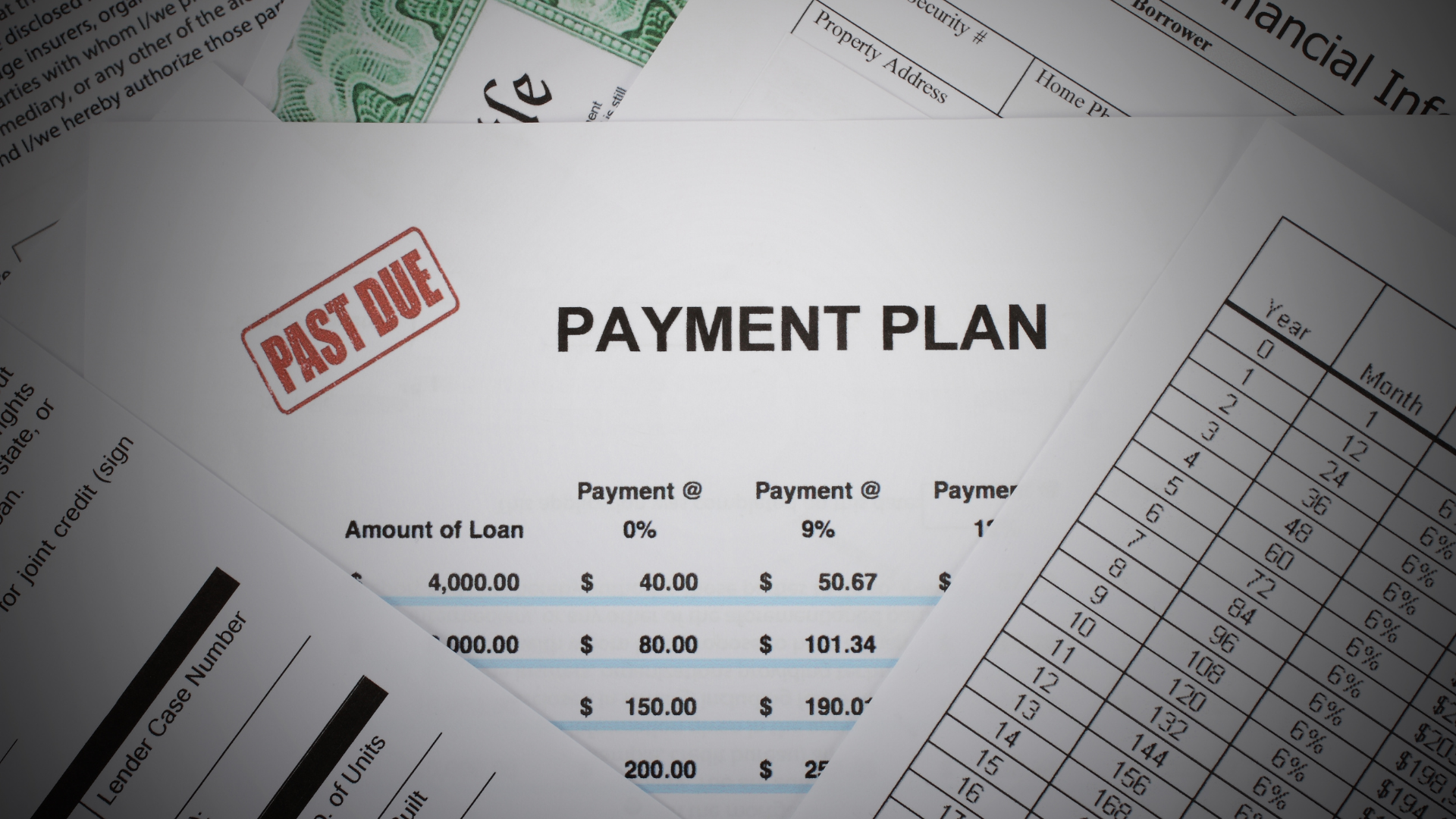
A predictable payment is one that fits consistently within a borrower’s budget. It arrives on a known schedule, with a fixed amount, and does not fluctuate unexpectedly. This consistency allows borrowers to plan ahead rather than react month to month.
When payments are predictable, they can be incorporated into a budget alongside rent, utilities, groceries, and other recurring expenses. This reduces stress and helps prevent missed payments, which can have lasting consequences for
credit health.

Why Loan Size Can Be Misleading
A larger loan is not always a more useful loan. Borrowers sometimes assume that taking the maximum available amount provides flexibility or security. In reality, larger loan balances often come with higher payments that strain monthly cash flow.
If a payment stretches a budget too tightly, it increases the risk of late payments or defaults. Even a modest loan can become problematic if the repayment structure is not manageable. In contrast, a smaller loan with a predictable and affordable payment can support financial goals without creating ongoing pressure.

Cash Flow Matters More Than Total Balance
Financial stability is largely about cash flow. The ability to meet obligations consistently is more important than the total amount owed. Predictable payments support healthy cash flow by aligning repayment with income patterns.
For individuals managing variable income or recovering from financial disruptions, consistency can be especially valuable. Knowing exactly what is due and when allows borrowers to plan spending and avoid surprises that disrupt their finances.

Credit Health and Payment Consistency
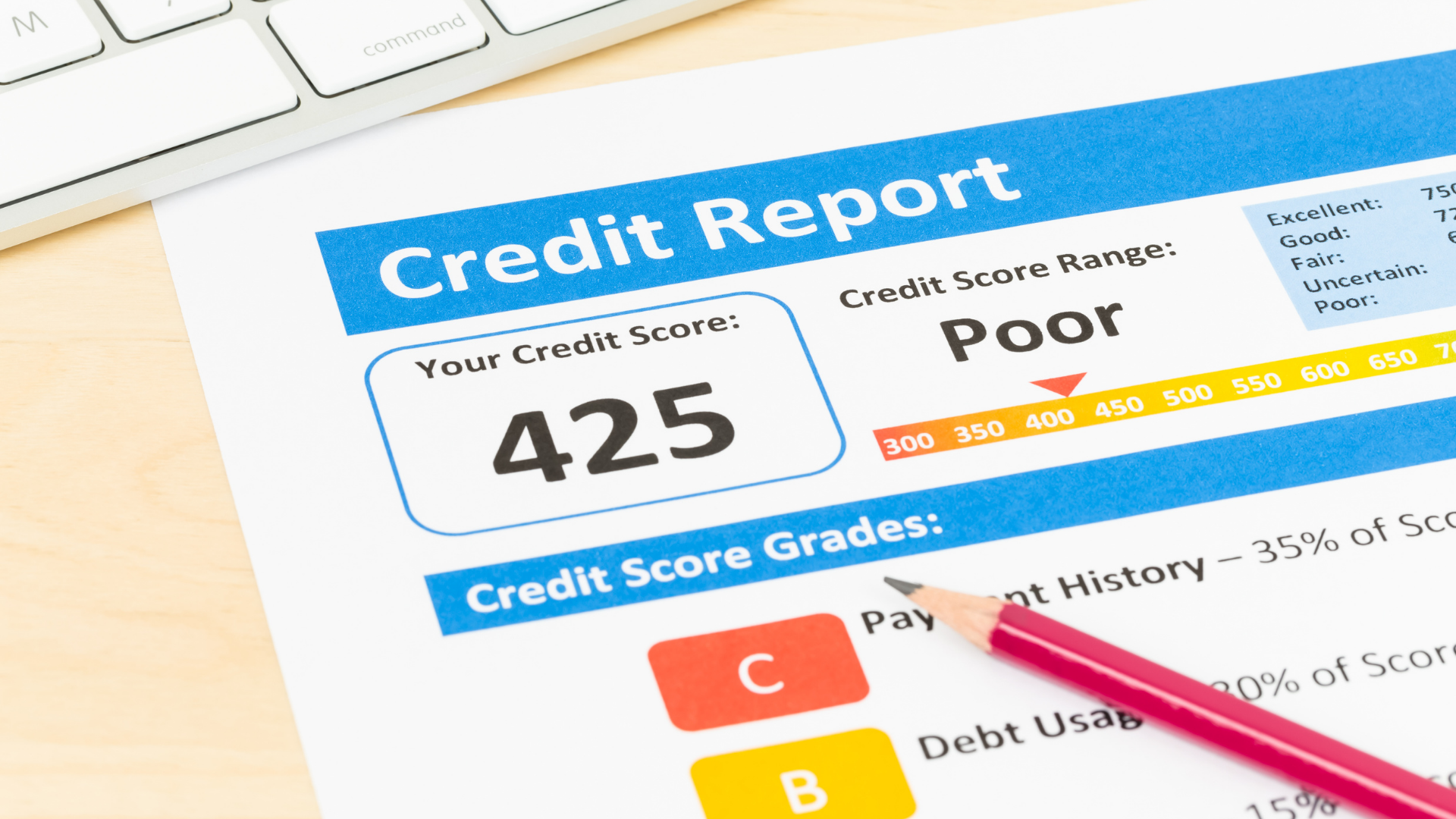
Payment history is one of the most influential factors in credit evaluation. On time payments demonstrate reliability and responsibility over time. Predictable loan structures make it easier to maintain that consistency.
Borrowers who choose loans with manageable, fixed payments are better positioned to build or rebuild credit. This long term benefit often outweighs the short term appeal of accessing a larger sum of money.

Psychological Benefits of Predictable Payments
Financial stress is often linked to uncertainty. Unclear terms, fluctuating obligations, or payments that change unexpectedly can create anxiety and undermine confidence. Predictable payments provide clarity.
When borrowers know exactly what to expect, they are more likely to feel in control of their finances. This sense of control supports better decision making and reduces the emotional burden associated with debt.

Responsible Borrowing as a Strategy
Responsible borrowing involves choosing loan terms that align with real financial capacity rather than aspirational budgets. It means prioritizing sustainability over immediacy.
At Portside Finance, the focus is on helping borrowers find loan structures that support their financial well being. Emphasizing predictable payments helps ensure that borrowing serves as a tool for stability rather than a source of stress.

Choosing Structure Over Size
When evaluating a loan, borrowers should look beyond the headline number. Questions about payment amount, repayment schedule, and overall affordability deserve just as much attention as the loan size itself.
Predictable payments support budgeting, protect credit health, and reduce financial strain. In many cases, they are the difference between borrowing that helps and borrowing that hurts.
Thoughtful loan structures allow borrowers to meet needs today while protecting their financial future. By prioritizing predictability, borrowers can make lending decisions that support confidence, consistency, and long term success.