How to Prepare Financially Before Applying for Your First Loan

January 6, 2026

Applying for your first loan can feel overwhelming. Many first time borrowers are unsure what lenders look for or how to present themselves as strong applicants. Preparation makes a meaningful difference. Taking time to review your financial situation before applying can help you borrow more confidently and responsibly. At Portside Finance, we believe informed borrowers are better positioned for long term financial success.

Understand Why You Need the Loan

Before completing an application, it is important to clearly define the purpose of the loan. First time borrowers should ask whether the loan is addressing a short term need, helping manage cash flow, or supporting a specific financial goal. Being clear about intent helps guide decisions about loan size and repayment terms.


Borrowing without a defined purpose can lead to unnecessary stress. A well considered plan supports responsible use of credit and improves the overall borrowing experience.

Review Your Income and Monthly Obligations

One of the first steps in preparation is understanding your income and expenses. Lenders evaluate whether a borrower can reasonably manage repayment. Reviewing pay stubs, bank statements, and recurring expenses provides a realistic picture of affordability.


First time borrowers should calculate how a loan payment fits into their existing budget. This includes rent or mortgage payments, utilities, transportation costs, and other obligations. Knowing these numbers in advance helps avoid borrowing more than necessary.

Check Your Credit Profile

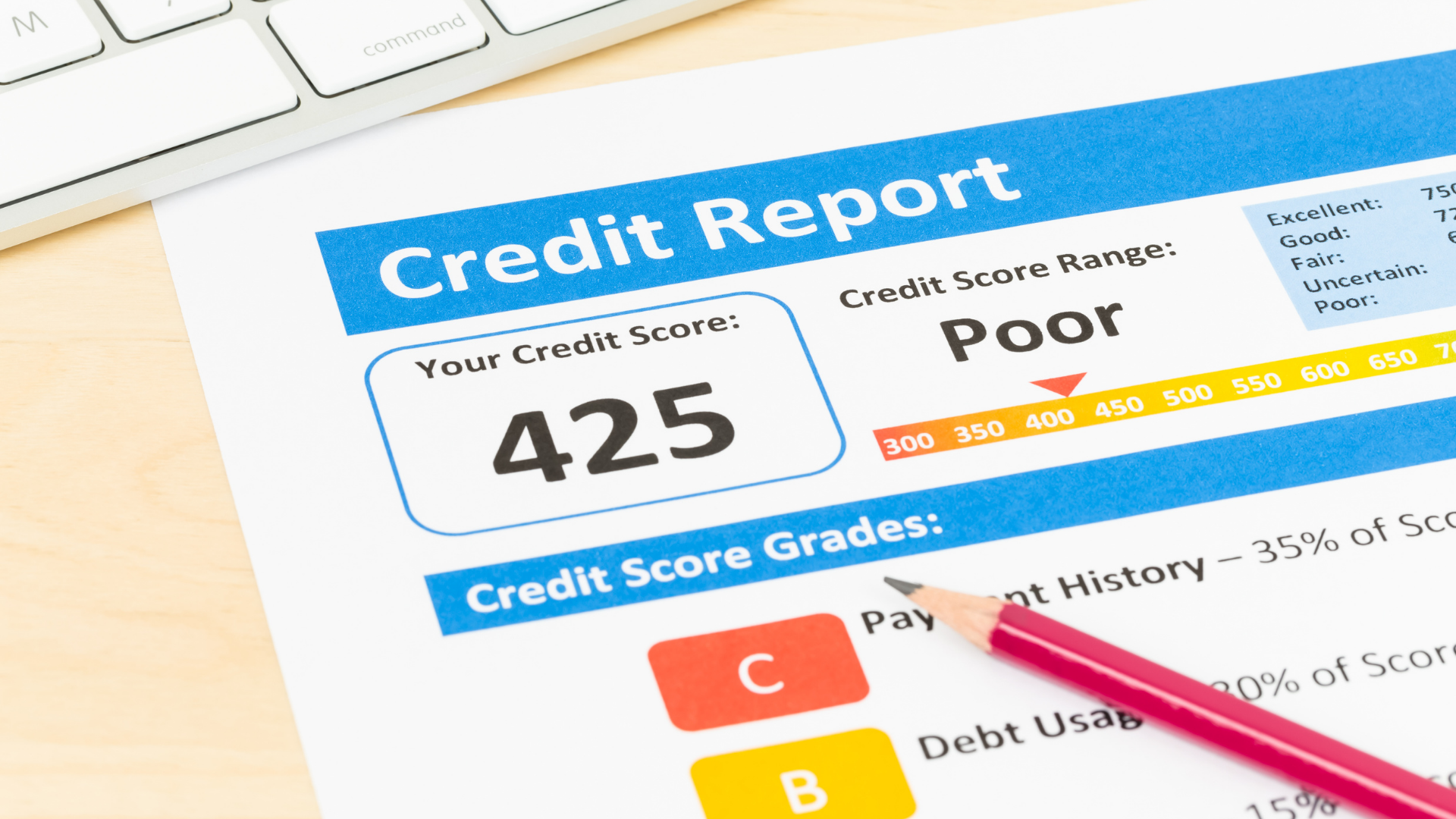
Many first time borrowers assume they have no credit history, but that is not always the case. Student loans, credit cards, or utility accounts may already appear on a credit report. Reviewing your credit profile allows you to identify what lenders will see.


Checking for errors or outdated information is an important step. Even small inaccuracies can affect how an application is evaluated. Understanding your credit standing also helps set realistic expectations before applying.

Gather Required Documentation

Being organized speeds up the application process. Lenders typically require proof of income, identification, and banking information. Preparing these documents ahead of time reduces delays and frustration.


First time borrowers often feel more confident when they know what information will be requested. Having documentation ready demonstrates preparedness and helps the process move smoothly.

Consider the Type of Loan That Fits Your Situation

Not all loans are structured the same way. First time borrowers should understand whether a secured or unsecured loan best fits their needs. Secured loans may involve collateral, while unsecured loans rely more heavily on credit and income factors.


Understanding these differences helps borrowers make informed choices rather than applying blindly. Selecting the right type of loan supports responsible borrowing and manageable repayment.

Plan for Repayment From the Start

Preparing for a loan means planning for repayment before funds are received. First time borrowers should review payment schedules and consider how payments will be made. Automatic payments, due dates, and repayment timelines should align with income cycles.


Thinking about repayment early reduces the risk of missed payments. Consistent repayment supports financial stability and may contribute positively to credit history over time.

Ask Questions and Seek Clarity

First time borrowers should feel comfortable asking questions. Understanding loan terms, fees, and expectations is essential. No borrower benefits from uncertainty or assumptions.


At Portside Finance, we encourage open communication. Clear information helps borrowers feel confident and supported throughout the process.

Building Confidence Through Preparation

Preparing financially before applying for your first loan is about more than approval. It is about building confidence and establishing healthy borrowing habits. When borrowers understand their finances, choose appropriate loan options, and plan for repayment, they are better positioned for success.


At Portside Finance, we work with first time borrowers who want to approach borrowing thoughtfully. Preparation is the first step toward responsible credit use and long term financial confidence.


February 24, 2026
Job loss can disrupt even the most carefully managed financial plans. Whether caused by layoffs, restructuring, or unexpected personal circumstances, a sudden interruption in income requires a clear and structured response. The first days and weeks following job loss often feel uncertain, but taking deliberate steps can help stabilize your situation and protect long-term financial health.  A financial recovery plan begins with a realistic assessment of your current position.
February 18, 2026
Needing financing when you have little or no credit history can feel frustrating. Many traditional lenders rely heavily on established credit profiles to evaluate risk. If you are new to credit or have not borrowed in several years, you may find that your limited history works against you, even if you are financially responsible.  The good news is that limited credit history does not automatically mean limited options. With preparation and the right approach, it is possible to secure financing responsibly while also building a stronger financial foundation for the future.
February 11, 2026
When people think about borrowing money, the focus is often on the size of the loan. How much can be borrowed, how quickly funds are available, and whether the amount will cover an immediate need tend to dominate the decision making process. However, from a financial health perspective, the structure of repayment often matters far more than the dollar amount itself.  Predictable payments are one of the most important factors in responsible borrowing and long term financial stability.
February 4, 2026
Short term credit can be a useful financial tool when it is used intentionally and managed carefully. Many people rely on short term loans to cover unexpected expenses, bridge temporary cash flow gaps, or address urgent needs. Problems arise when borrowing decisions are made without a clear plan for repayment. Understanding how to use short term credit responsibly can help individuals meet immediate needs while avoiding long term financial strain.
January 28, 2026
Many people make financial decisions based on income alone. While income is important, it does not always reflect whether money is available when it is needed. Cash flow, which refers to the timing of money coming in and going out, often plays a much larger role in day to day financial stability. Understanding the difference between income and cash flow can help borrowers make more informed decisions and avoid unnecessary stress.
January 21, 2026
When people think about applying for a loan, credit score is often the first thing that comes to mind. While credit scores are important, they are only one part of the picture. In reality, lenders evaluate a range of factors to understand a borrower’s overall financial situation and ability to repay a loan responsibly. Knowing what lenders look for beyond a credit score can help borrowers prepare and make more confident financial decisions.
January 14, 2026
Experiencing a financial setback can feel discouraging, especially when it impacts credit. Job loss, unexpected medical expenses, or temporary reductions in income can all lead to missed payments or increased debt. While these challenges can affect credit scores, they do not define a person’s financial future. With thoughtful planning and responsible steps, it is possible to rebuild credit and regain financial stability.
December 30, 2025
The start of a new year often brings a renewed sense of motivation. Many people resolve to improve their health, strengthen relationships, or pursue professional goals. Financial health deserves the same level of attention. The decisions made early in the year can shape stability, flexibility, and opportunity for months to come. Committing to better financial habits is one of the most practical resolutions a person can make.
December 24, 2025
The Christmas season brings joy, generosity, and time with loved ones, but it can also introduce financial pressure. Gifts, travel, meals, and year end obligations often arrive all at once, making it easy for expenses to exceed expectations. At Portside Finance, we believe the holidays should be enjoyed without setting the stage for financial stress in the months that follow. A thoughtful approach to budgeting allows families to celebrate while still protecting long term financial stability.
By Portside Finance December 20, 2025
Loans often get a bad rap in Jacksonville. People see them as traps that lead to endless stress. But what if you flipped that view? Think of a loan as a tool to fix real problems, like high rent in areas near the St. Johns River or car repairs to reach jobs at the port.  In this guide, you'll learn how to borrow smart in the River City. We'll cover steps to check your finances, pick the right loan, and pay it back strong. This way, you turn debt into a step up for your money life.
More Posts