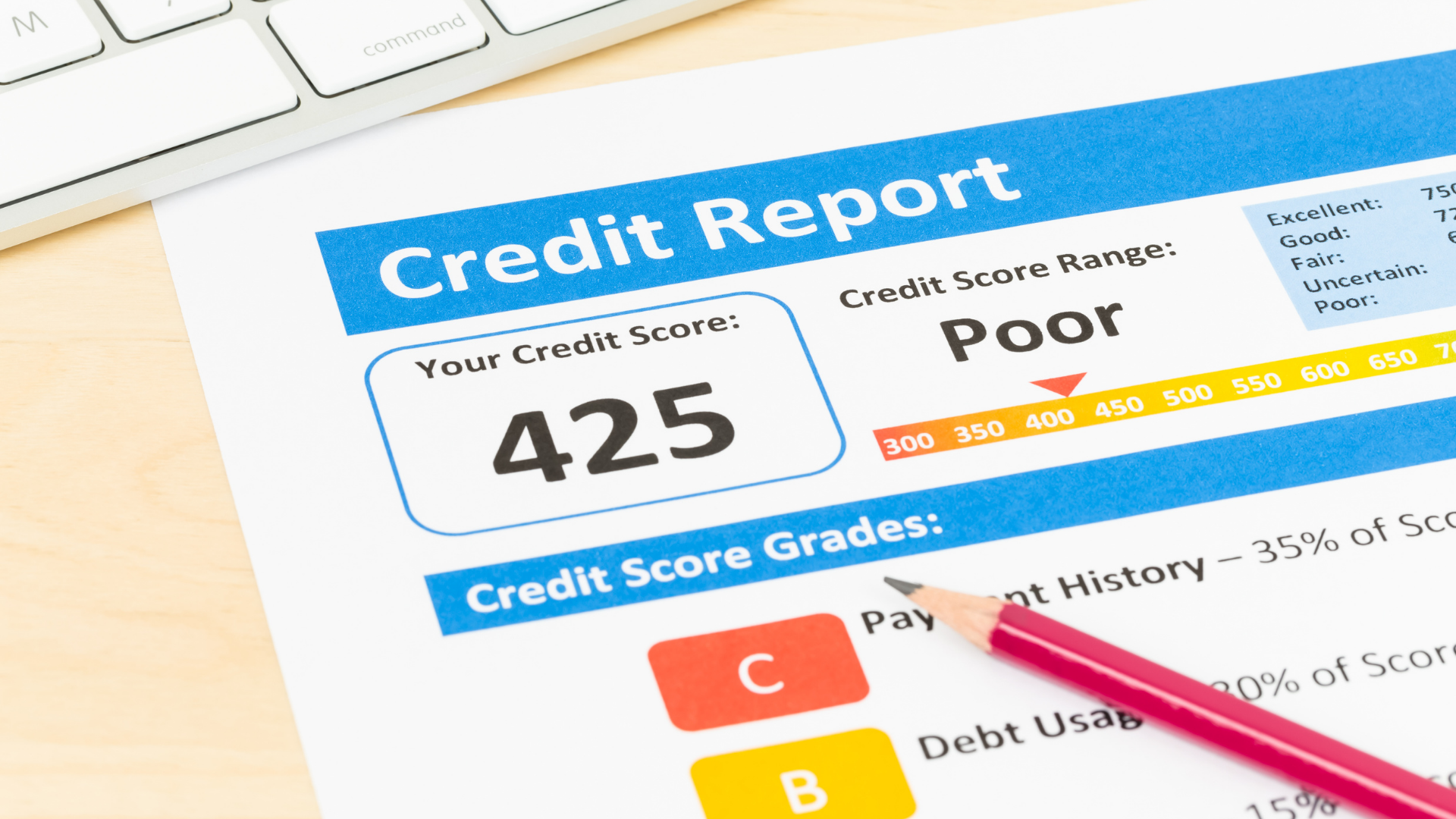
Building Credit After Financial Setbacks
Experiencing a financial setback can feel discouraging, especially when it impacts credit. Job loss, unexpected medical expenses, or temporary reductions in income can all lead to missed payments or increased debt. While these challenges can affect credit scores, they do not define a person’s financial future. With thoughtful planning and responsible steps, it is possible to rebuild credit and regain financial stability.

Understanding How Setbacks Affect Credit
Credit scores reflect payment history, credit utilization, account age, and overall borrowing behavior. When setbacks occur, late payments or defaults may appear on a credit report. These negative marks can lower a score and make borrowing more difficult in the short term.
It is important to recognize that credit scores are dynamic. They change over time based on current behavior. Past difficulties do not permanently prevent improvement.
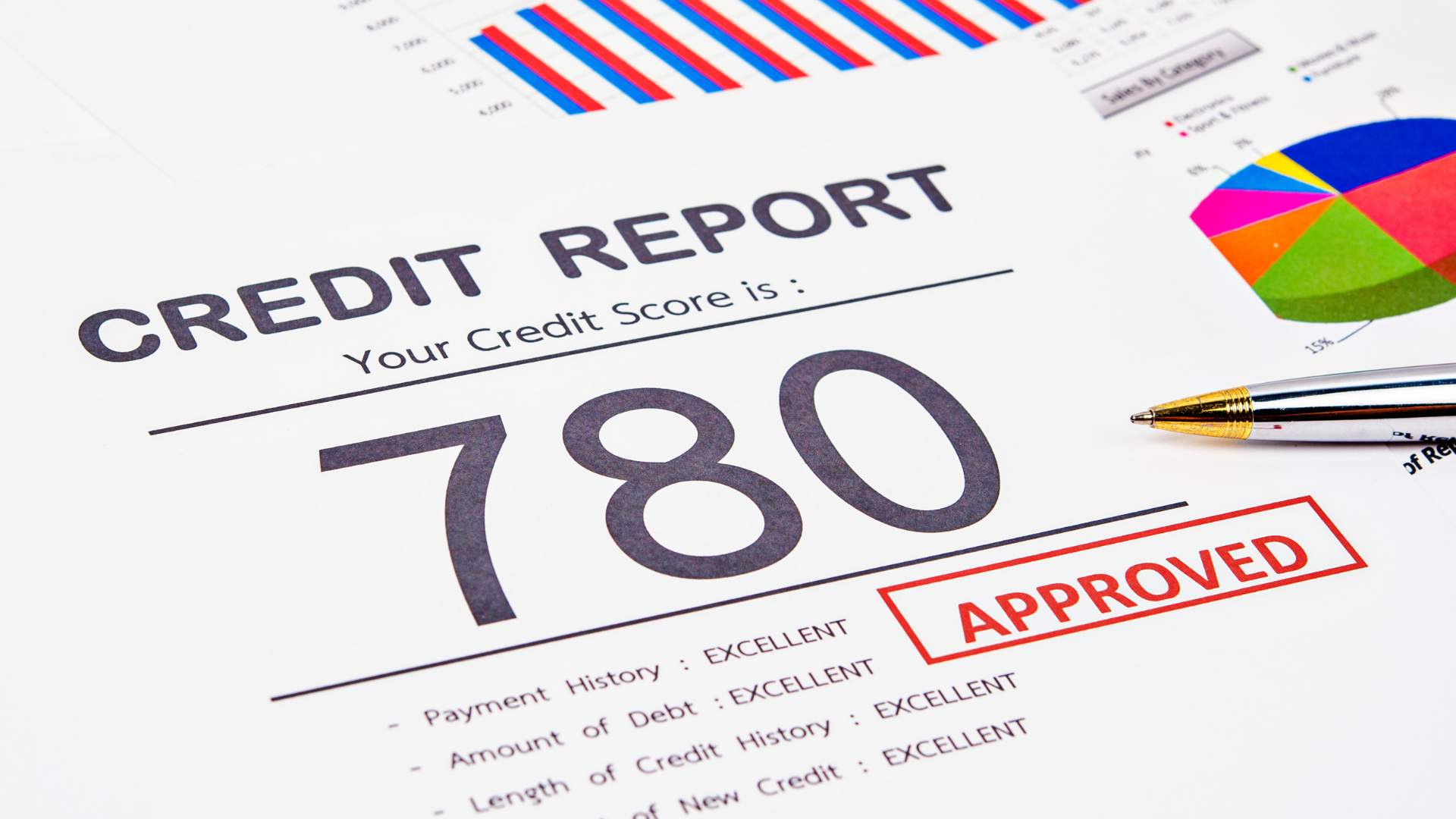
Reviewing Your Credit Report
The first step in rebuilding credit is understanding where things stand. Reviewing a credit report helps identify missed payments, balances, and any potential errors. Errors should be addressed promptly, as inaccurate information can unfairly impact a score.
Knowing which areas need attention allows borrowers to focus on actions that will make the most meaningful difference.

Prioritizing Consistent Payments
Payment history is one of the most influential factors in credit scoring. Making consistent, on time payments going forward helps demonstrate reliability to lenders.
Even small obligations matter. Utility bills, credit cards, and loan payments all contribute to a pattern of responsible behavior. Establishing reminders or automatic payments can help maintain consistency.

Using Credit Strategically
Rebuilding credit does not require taking on large amounts of debt. In many cases, smaller, manageable loans can help reestablish positive payment history when used responsibly.
Secured or short term loans, when structured appropriately, can provide an opportunity to
demonstrate consistent repayment. The key is choosing a loan with terms that align with realistic budgeting.

Managing Balances and Utilization
Keeping balances low relative to available credit supports healthier credit utilization ratios. High utilization can signal financial strain, even when payments are made on time.
Reducing outstanding balances gradually helps improve this metric and supports long term credit improvement.

Avoiding Common Pitfalls
After a setback, it can be tempting to apply for multiple loans or credit accounts in quick succession. Frequent applications can result in multiple inquiries, which may further impact credit scores.
Careful selection and patience are important. Taking measured steps reduces risk and supports steady progress.

Building Confidence Through Responsible Borrowing
Responsible borrowing is about more than access to funds. It is about rebuilding trust with lenders and with oneself. Choosing loan products that are transparent and manageable helps create a foundation for future financial decisions.
Working with a lender that emphasizes clear communication and realistic expectations can make the process less stressful and more effective.

Progress Takes Time
Credit rebuilding is not immediate. Positive changes accumulate gradually as new payment history replaces older negative entries. Staying committed to consistent habits is essential.
Each on time payment contributes to progress. Over time, these actions help improve credit scores and expand financial options.

Moving Forward With Purpose
Financial setbacks are common, and recovery looks different for everyone. What matters most is taking intentional steps toward improvement.
At Portside Finance, we understand that rebuilding credit is a process. We work with borrowers to provide loan options designed to support responsible repayment and long term financial stability. With patience, consistency, and informed choices, it is possible to move forward with greater confidence and control.