Holiday Budgeting Tips: How to Enjoy Christmas Without Creating Financial Stress
The Christmas season brings joy, generosity, and time with loved ones, but it can also introduce financial pressure. Gifts, travel, meals, and year end obligations often arrive all at once, making it easy for expenses to exceed expectations. At Portside Finance, we believe the holidays should be enjoyed without setting the stage for financial stress in the months that follow. A thoughtful approach to budgeting allows families to celebrate while still protecting long term financial stability.

Start With a Realistic Holiday Budget
One of the most effective ways to reduce holiday stress is to define clear financial boundaries early. A holiday budget should reflect what is truly affordable, not what feels expected. This includes gifts, travel, decorations, food, and any seasonal events.
Listing anticipated expenses helps clarify priorities and highlights where adjustments can be made. A
realistic budget does not remove generosity, it simply ensures that spending aligns with income and existing obligations.

Separate Needs From Traditions
Many holiday expenses are driven by tradition rather than necessity. While traditions are meaningful, they can often be adapted to fit changing financial circumstances. Scaling back does not diminish the holiday experience when expectations are communicated clearly.
Choosing thoughtful but modest gifts, limiting travel when possible, or focusing on shared experiences rather than purchases can significantly reduce costs. These choices often lead to more meaningful celebrations without the burden of excessive spending.

Plan Ahead for Cash Flow Changes
The end of the year can bring irregular income patterns for many households. Seasonal work, reduced hours, or delayed bonuses can affect cash flow at the same time expenses increase. Recognizing these changes ahead of time allows for better planning.
Building a small buffer into the holiday budget can help absorb unexpected costs. For those facing short term gaps, understanding options early is better than reacting under pressure later.

Use Credit Thoughtfully
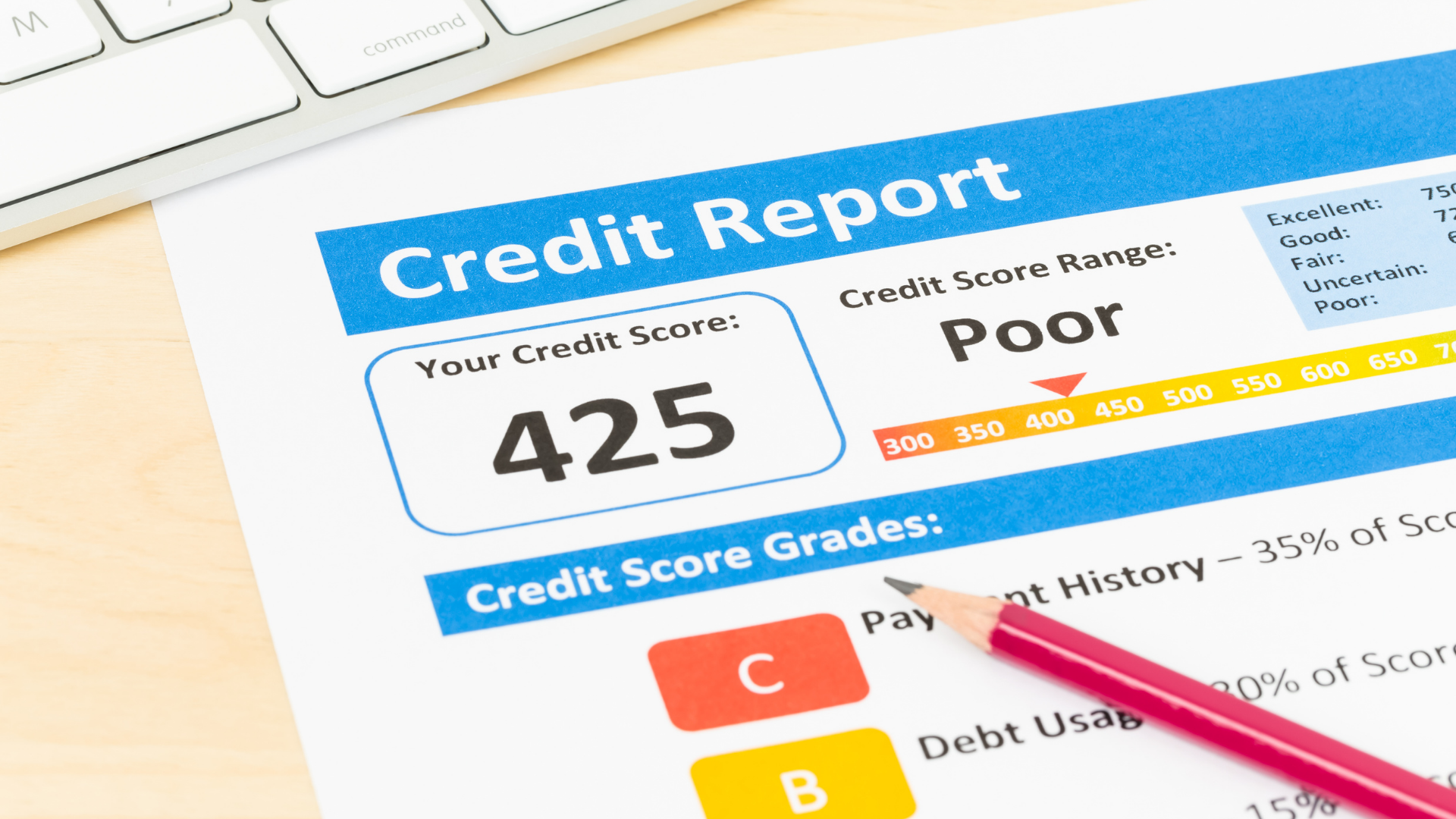
Credit can be a useful tool when used responsibly, but holiday spending can quickly lead to balances that linger well into the new year. It is important to understand how purchases affect credit utilization and monthly obligations.
Before using credit, reviewing current balances and repayment capacity helps avoid overextension. Responsible borrowing focuses on manageable amounts with a clear repayment plan, not on postponing financial consequences.

Avoid Emotional Spending
The holidays often encourage emotional spending driven by comparison or urgency. Advertising and social pressure can make it feel as though spending more equates to caring more. In reality, financial stress after the holidays often outweighs the temporary satisfaction of impulse purchases.
Pausing before large purchases and revisiting the budget can help keep decisions grounded. Thoughtful planning supports confidence rather than regret.

Consider the New Year While Planning
Holiday budgeting should account for what comes next. January expenses, ongoing bills, and upcoming obligations do not disappear simply because the calendar changes. Keeping the new year in mind helps ensure that holiday decisions support, rather than undermine, future financial goals.
At Portside Finance, we encourage people to view the holidays as part of a larger financial picture. Responsible planning allows individuals to enter the new year with stability rather than recovery mode.

A Balanced Approach to Holiday Finances
Enjoying Christmas does not require financial strain. A clear budget, honest evaluation of priorities, and thoughtful use of financial tools create space for celebration without long term stress. Planning ahead supports both peace of mind and financial health.
At Portside Finance, we believe responsible financial decisions are a gift that lasts beyond the holiday season. By approaching Christmas spending with intention, families can focus on what truly matters while maintaining control of their financial future.