Building a Financial Recovery Plan After Job Loss
Job loss can disrupt even the most carefully managed financial plans. Whether caused by layoffs, restructuring, or unexpected personal circumstances, a sudden interruption in income requires a clear and structured response. The first days and weeks following job loss often feel uncertain, but taking deliberate steps can help stabilize your situation and protect long-term financial health.
A financial recovery plan begins with a realistic assessment of your current position.
Step One: Assess Immediate Obligations
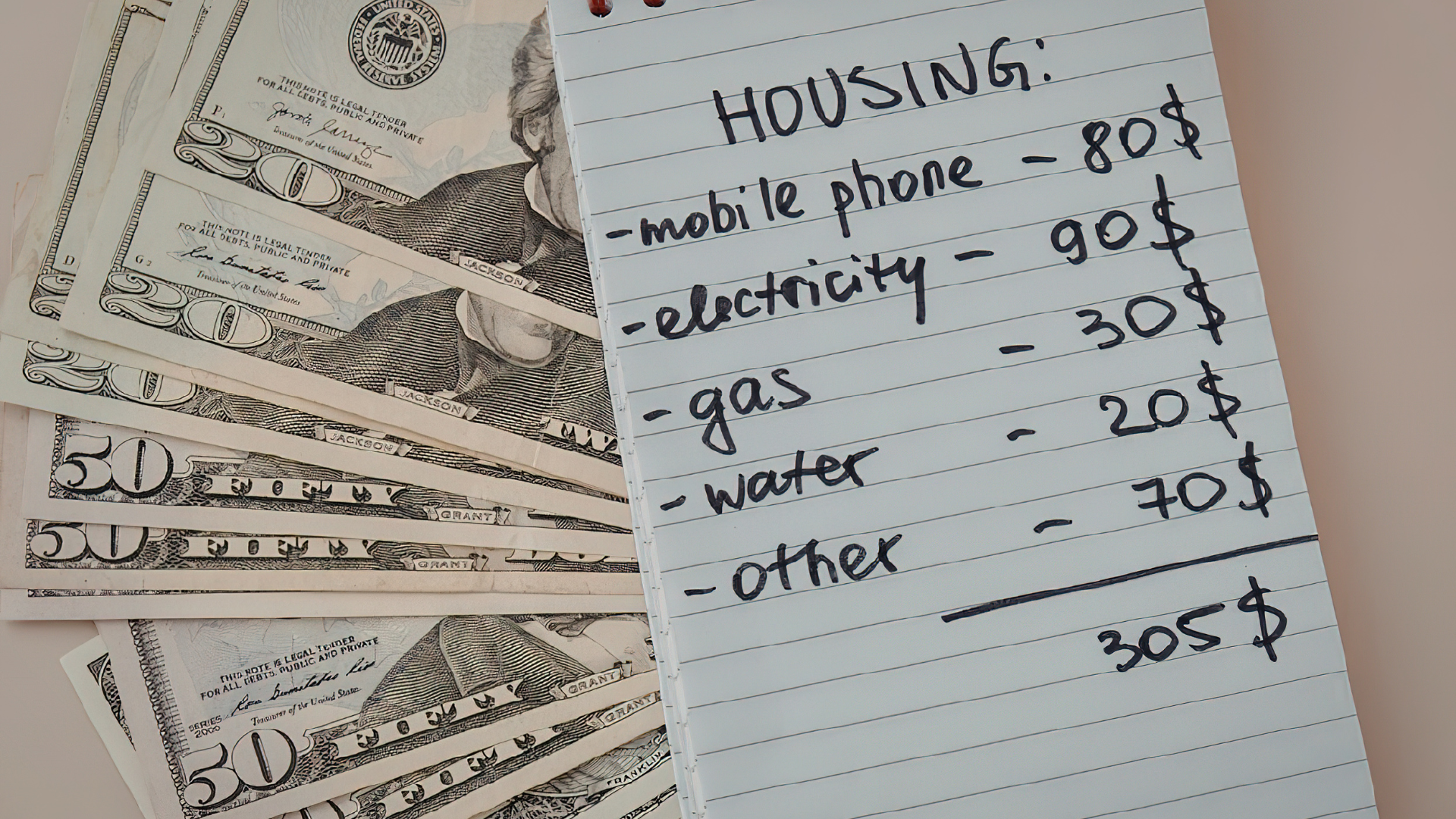
Start by listing essential monthly expenses such as housing, utilities, insurance, transportation, groceries, and minimum debt payments. These represent your non-negotiable financial priorities. Next, evaluate available resources, including savings, severance pay, unemployment benefits, or other sources of temporary income.
Understanding how long your available funds can cover basic obligations provides clarity. This calculation helps determine whether short-term financing may be necessary to bridge the gap until new employment is secured.

Step Two: Adjust Spending Strategically
After identifying essential expenses, temporarily reduce discretionary spending. Subscriptions, dining out, entertainment, and non-essential purchases can often be paused. The goal is not permanent austerity but short-term stabilization.
This adjustment period creates breathing room and extends available funds. Clear prioritization of essentials prevents missed payments that could
negatively affect credit standing.

Step Three: Protect Your Credit Profile
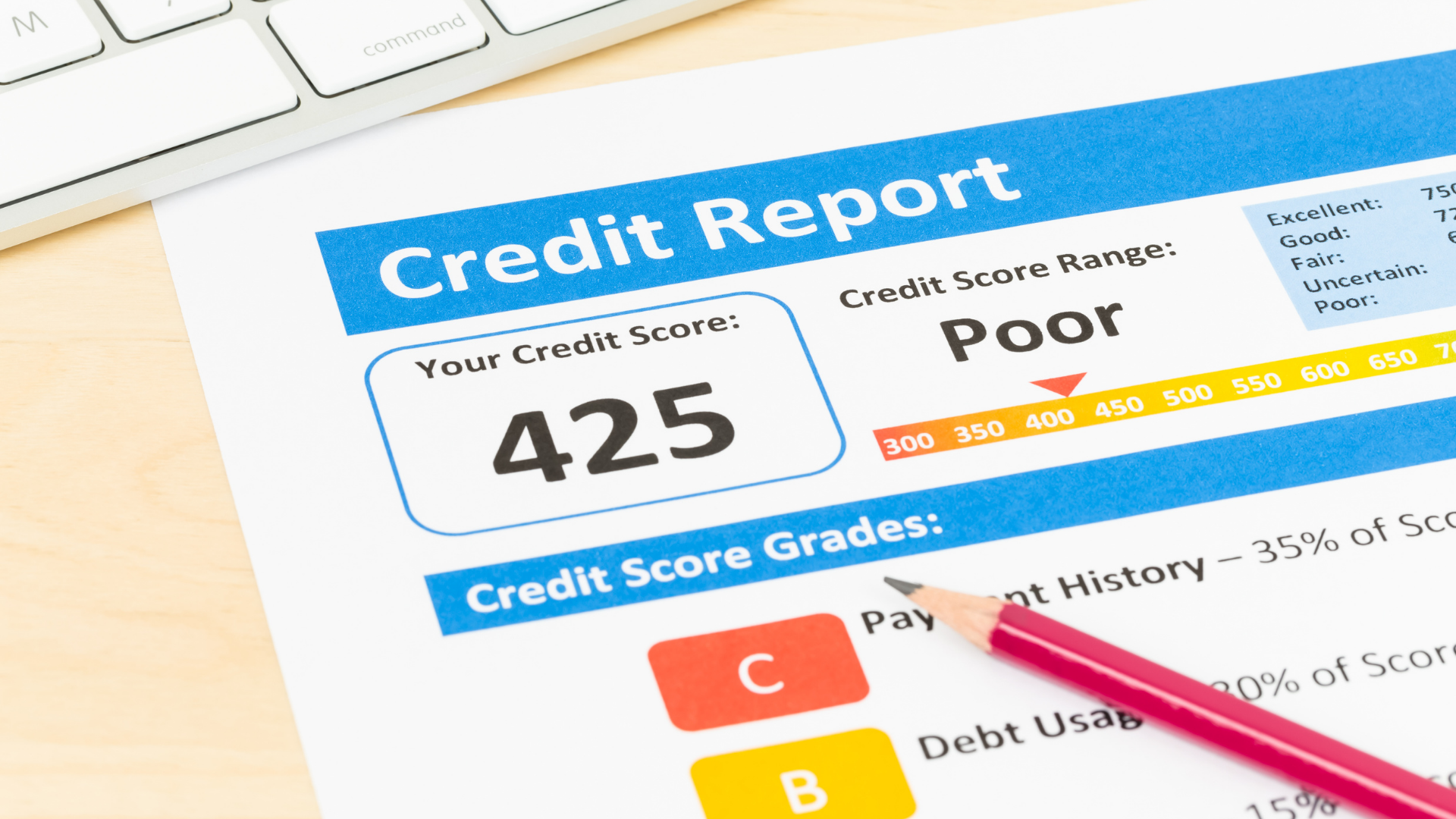
During periods of financial instability, maintaining your credit profile becomes especially important. Missed payments, late fees, or defaulted obligations can create long-term setbacks. Contact creditors proactively if necessary. Many lenders offer hardship programs or temporary payment adjustments.
If savings are insufficient to meet short-term obligations, structured financing may provide a responsible alternative to missed payments. The key is selecting a loan with clear repayment terms and a realistic timeline.

Step Four: Strategic Use of Short-Term Financing
In certain situations, a small, manageable loan can serve as a bridge during unemployment. A structured installment loan or secured vehicle title loan may provide temporary liquidity to cover essential expenses while avoiding more severe financial consequences.
At Portside Finance, we emphasize responsible borrowing. A short-term loan should align with a repayment plan that reflects anticipated income, whether through new employment or other reliable sources. Borrowers should evaluate loan terms carefully and ensure that payments fit within a revised budget.
When used thoughtfully, short-term financing can prevent cascading financial damage, such as eviction, utility shutoffs, or credit score deterioration.

Step Five: Build a Reemployment Strategy
Financial recovery is closely tied to restoring income. Dedicate structured time each day to job searching, networking, or skill development. Updating resumes, applying for positions, and exploring professional certifications may accelerate reemployment.
Maintaining routine during unemployment also supports emotional stability, which plays an important role in financial decision-making.

Step Six: Create a Repayment Plan
Before accepting any loan, outline how repayment will occur. Identify the income source that will support installment payments. Avoid borrowing more than necessary. Clear repayment timelines reduce stress and support long-term financial recovery.
Portside Finance works with borrowers to provide transparent terms and straightforward repayment structures. Responsible lending involves ensuring that financing solutions support recovery rather than create additional strain.

Turning Disruption Into Reset
Job loss can feel overwhelming, but it also offers an opportunity to reassess financial habits and priorities. A structured recovery plan built on careful budgeting, credit protection, and strategic financing can help restore stability.
Temporary setbacks do not define long-term financial health. By acting decisively and using available resources responsibly, individuals can navigate unemployment with greater confidence.
At Portside Finance, we understand that financial challenges arise unexpectedly. Our goal is to provide accessible, manageable lending options that help bridge difficult periods while supporting responsible repayment. With careful planning and disciplined execution, recovery is not only possible but achievable.