Short-Term Loans vs Credit Cards: Which Is the Smarter Emergency Option?
Financial emergencies rarely give advance notice. A sudden car repair, medical expense, or urgent household bill can disrupt even the most carefully planned budget. When savings are limited, many people turn to either credit cards or short-term loans to bridge the gap. Understanding the differences between these two options can help borrowers make informed, responsible decisions that protect their long-term financial health.
At Portside Finance, we believe that clarity and transparency are essential when evaluating short-term financial tools. Both credit cards and small loans can serve a purpose. The key is knowing when each option makes sense.

How Credit Cards Work in Emergencies
Credit cards provide a revolving line of credit. This means you can borrow up to your approved limit, repay a portion, and borrow again. For emergencies, credit cards offer convenience and immediate access to funds, especially if the card is already in your wallet.
However, credit cards often come with variable interest rates that can exceed 20 percent annually. If only minimum payments are made, balances can linger for years. Compound interest increases the total cost of borrowing over time.
In addition, it is easy to continue using a credit card after the initial emergency has passed. This can blur the line between necessity and discretionary spending, potentially leading to long-term debt accumulation.

How Short-Term Loans Differ
Short-term loans operate differently. Instead of an open-ended revolving balance, they provide a fixed loan amount with a structured repayment schedule. Borrowers know upfront how much they owe and when it must be repaid.
This structure can be beneficial for individuals who prefer a clear timeline. A defined repayment plan reduces the temptation to extend borrowing indefinitely. For many borrowers, having a fixed end date creates accountability and focus.
At Portside Finance, short-term lending is designed to help individuals bridge temporary financial gaps. Whether addressing an unexpected expense or stabilizing cash flow during a brief employment interruption, the goal is to provide manageable solutions rather than open-ended debt.

Comparing Costs and Control
When deciding between a credit card and a short-term loan, several factors matter:
Interest Structure:
Credit cards typically charge interest on any remaining balance month after month. Short-term loans often calculate costs upfront, providing clarity on total repayment.
Repayment Timeline:
Credit cards allow indefinite repayment, which can increase overall cost if balances are not paid quickly. Short-term loans have defined repayment periods.
Spending Discipline:
A credit card may encourage ongoing use. A short-term loan delivers a specific amount tied to a particular need.
Impact on Credit:
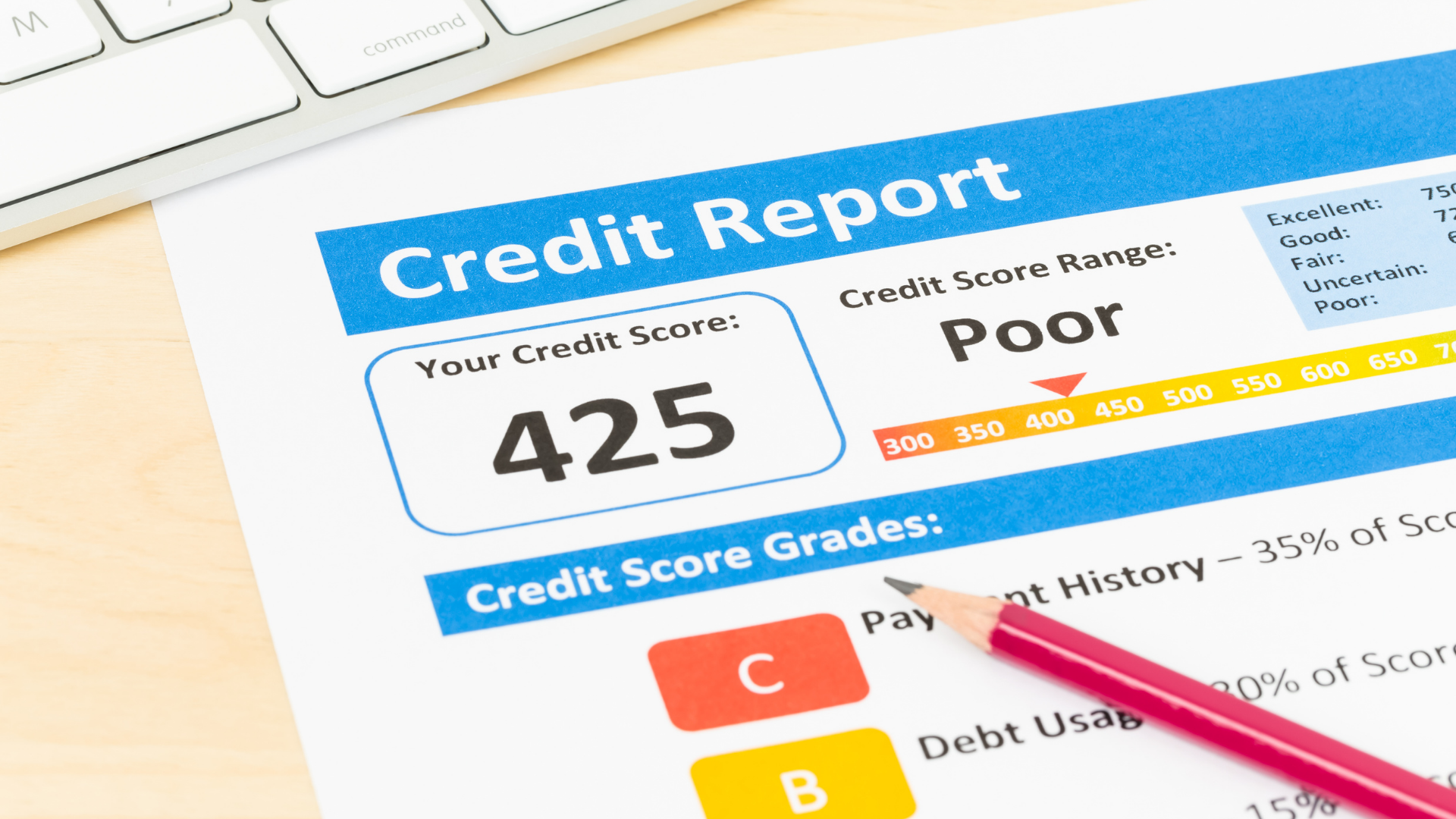
Both options can
affect credit scores. Consistent, on-time repayment improves credit history. Missed payments damage it. Responsible borrowing is essential in either case.

When a Short-Term Loan May Be Smarter
A short-term loan may be the better option when:
- The expense is specific and time-sensitive
- The borrower wants a structured payoff schedule
- There is a plan to repay within a defined timeframe
- Avoiding
revolving debtis a priority
For example, if a vehicle repair is required to maintain employment, a fixed loan with predictable payments may be more manageable than adding to an existing credit card balance with high interest.

Responsible Borrowing Is the Real Key
The smartest option depends on the individual’s financial situation, discipline, and repayment capacity. Neither credit cards nor short-term loans are inherently good or bad. They are tools. Used responsibly, they can provide stability during challenging moments.
At Portside Finance, we encourage borrowers to evaluate their needs honestly. Borrow only what is necessary. Understand the repayment terms. Have a clear plan for meeting payment obligations.
Emergencies can create stress and urgency. Making a thoughtful, informed choice can prevent temporary setbacks from becoming long-term financial burdens. Whether comparing credit cards or considering a short-term loan, the goal should always be the same: regain stability quickly and move forward with confidence.