The Responsible Borrowing Blueprint for Jacksonville, FL
Loans often get a bad rap in Jacksonville. People see them as traps that lead to endless stress. But what if you flipped that view? Think of a loan as a tool to fix real problems, like high rent in areas near the St. Johns River or car repairs to reach jobs at the port.
In this guide, you'll learn how to borrow smart in the River City. We'll cover steps to check your finances, pick the right loan, and pay it back strong. This way, you turn debt into a step up for your money life.
Assessing Readiness: The Jacksonville Financial Health Check-Up

You can't jump into a loan without knowing where you stand. Jacksonville's costs, from beachside homes to daily drives, make this check key. Start with simple tools and local help to see if you're set for responsible borrowing in Jacksonville FL.
Analyzing Your Current Debt-to-Income (DTI) Ratio
DTI shows how much of your income goes to debt each month. Lenders watch it close. A good DTI stays under 36 percent. If yours tops 43 percent, pause and cut back first.
In Jacksonville, use free help from groups like the Credit Counseling Service of Northeast Florida. They guide you through calculations. Track your monthly bills against take-home pay. This keeps you from over-borrowing in a town with rising living costs.
Credit Score Deep Dive: Understanding Your Local Lending Profile
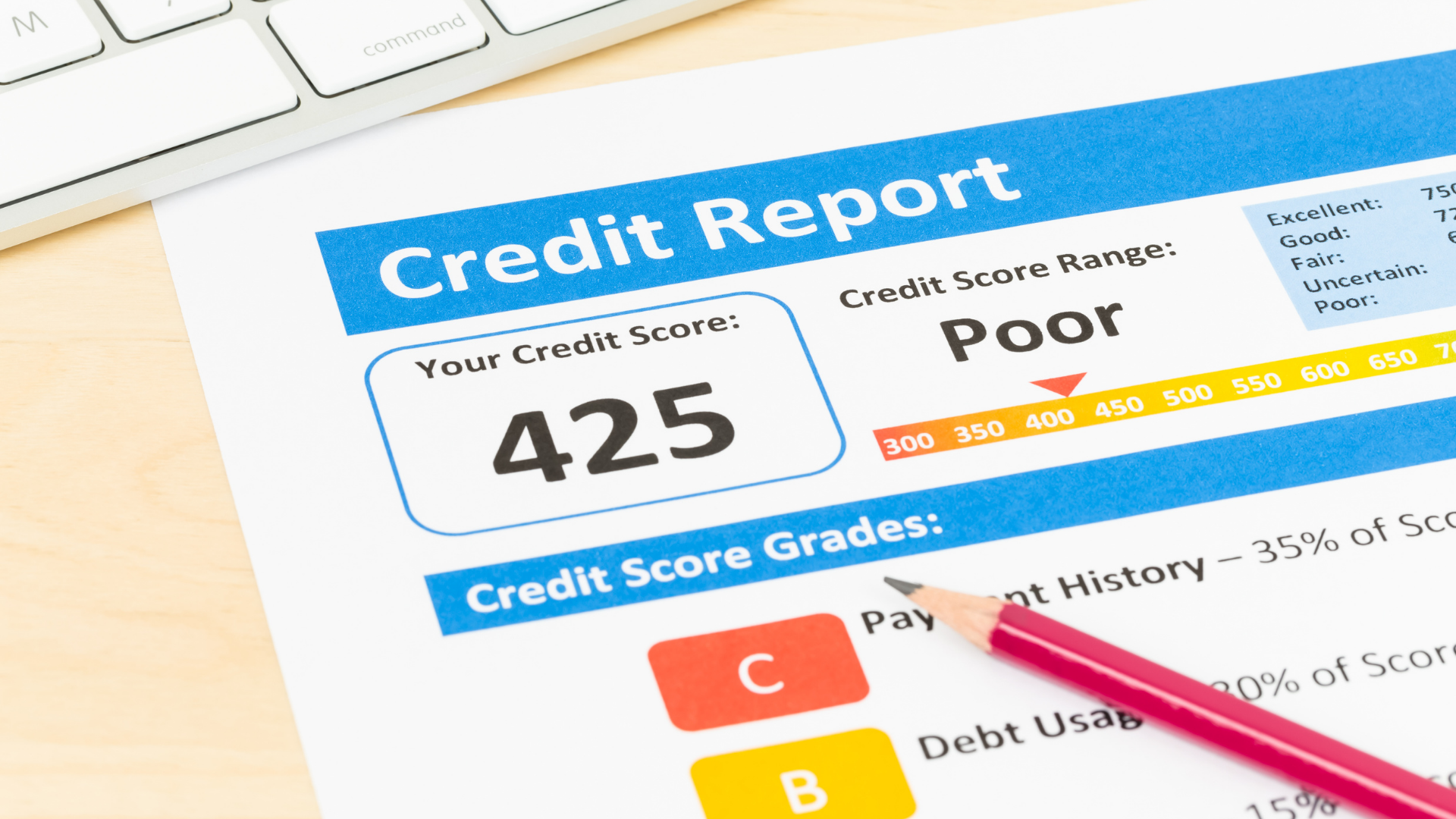
Your credit score opens doors to better rates. In Florida's busy loan market, scores above 700 mean lower costs. Below 600? You might face high fees.
Check your report yearly for free atAnnualCreditReport.com from Equifax, Experian, and TransUnion. Spot errors fast and dispute them online. Local banks in Jax often offer score checks too. Build your score with on-time bills to improve financial health loans here.
Establishing a Non-Negotiable Repayment Budget
Build a budget that puts loan payments first. Add a line for it in your monthly plan. Test it against surprises like higher gas prices from bridge traffic.
List all income and must-pay items. Aim to keep loan costs under 10 percent of pay. Apps like Mint help track this. In hurricane season, save extra for insurance jumps. This setup makes repayment stick.
Strategic Loan Applications: Targeting Financial Improvement Goals
Not all debt helps you grow. Good debt builds assets, like a home that gains value. Bad debt just buys stuff you don't need. In Jacksonville, pick loans that boost your net worth over time.
Debt Consolidation: Streamlining High-Interest Obligations
Credit cards charge up to 25 percent interest. A consolidation loan drops that to 10 percent. Say you owe $10,000 on cards. At 25 percent, you pay $2,500 yearly in interest. Switch to a 10 percent personal loan, and it falls to $1,000.
This saves cash for emergencies. Local credit unions in Jax offer these loans with fair terms. Focus on unsecured options if you lack collateral. Over five years, you could save thousands and free up budget space.
Utilizing Secured Loans for Asset Acquisition (Home or Vehicle)
Secured loans tie to items like cars or houses, so rates stay low, around 4 to 7 percent. A mortgage builds equity in Jacksonville's hot market. Prices rose 5 percent last year near downtown.
For cars, reliable wheels matter to commute to JAXPORT or Mayport. An auto loan at 5 percent beats high-interest rentals. Compare rates at Florida Credit Union. These loans grow your wealth by adding assets that hold value.
Education Financing for Career Advancement in Local Industries
Student loans fund classes in logistics or health care, big here. Jacksonville's job growth in fintech needs skills. A $5,000 loan for certification could raise your pay by 20 percent.
Federal options like Direct Loans have low rates, under 6 percent. Private lenders in FL match them for short programs. Pay back as income rises. This turns borrowing into a career boost for long-term gains.
Need Help Crunching Your Numbers?
Our team can review your DTI and credit profile for free. See where you stand in minutes.
Decoding Loan Terms: Protecting Yourself from Predatory Lending in Florida
Loans hide tricks if you don't read close. Florida sees quick-cash offers that hurt more than help. Know the terms to stay safe and borrow right in Jacksonville.
Understanding APR vs. Interest Rate: The True Cost of Borrowing
Interest rate is just the base cost. APR adds fees for the full picture. A 5 percent rate might hit 7 percent APR with charges.
Always pick loans by APR. Compare two offers: one at 6 percent APR saves $300 yearly over 8 percent on a $15,000 loan. Use online calculators from Bankrate. This spots the real price for responsible borrowing Jacksonville FL.
Navigating Fees: Origination, Prepayment Penalties, and Servicing Charges
Origination fees cover setup, often 1 percent. Servicing charges add monthly costs. Prepayment penalties stop early payoff.
Skip loans with big penalties if you plan extra payments. Legit fees stay low. Ask lenders to waive them. In Jax, state rules cap some, but check every detail.
Recognizing Red Flags in Unsecured Personal Loans
Short terms under six months scream trouble. Rates over 36 percent? Walk away. Online ads push these hard.
Look for clear terms and no hidden jumps. Stick to banks or credit unions. If pressure builds to sign fast, it's a sign to stop. Protect your improve financial health loans goals.
Mastering Repayment: Automation and Contingency Planning

Paying back seals the deal. Miss steps, and gains vanish. Set habits now to win big later.
Setting Up Automatic Payments for Punctuality
Autopay keeps you on track. It boosts your credit score by 35 points after six months of perfect payments.
Link your bank and set it two days early. This beats processing delays. Most lenders offer free autopay perks, like rate cuts. Stay ahead in Jacksonville's busy life.
Accelerating Repayment Without Penalty
Extra cash shortens loans. Pay $100 more monthly on a $20,000 loan at 7 percent. You save $1,200 in interest.
Tell the lender in writing: apply extra to principal. Track via statements. Build this into your budget after basics. It frees you faster.
Contingency Planning for Jacksonville Emergencies
Storms or job loss hit hard here. Build a three-month savings buffer first.
If trouble strikes, contact lenders for forbearance. Options pause payments for 90 days. A home equity line covers gaps if you own. Local aid from 211.org helps too. Plan so one hit doesn't sink you.
Post-Loan Health Check: Measuring Your Progress
After the loan, watch changes. Track wins to stay motivated. This proves your smart moves pay off.
Tracking Credit Score Improvement Over Time
A new installment loan lowers utilization. On-time pays lift scores quick. Expect 50-point jumps in three months.
Check monthly via Credit Karma. Note patterns after payments. This builds trust with future lenders in FL.
Recalculating Net Worth After Debt Reduction
Cut $5,000 in card debt, and net worth rises by that much. Mortgages mix: less liability, plus home value up.
Use spreadsheets to update quarterly. Assets like cars add too. See real growth from your efforts.
When to Consider Refinancing for Further Savings
Refi if rates drop or your score climbs 50 points. A 1 percent cut on $30,000 saves $300 yearly.
Watch market shifts in 2025. Local banks refi easy. Do it every two years if terms improve.
Building Lasting Wealth Through Informed Borrowing
Loans work when you handle them right. Assess your DTI, pick goal-focused types, grasp APR, and automate pays. In Jacksonville, this control shapes your money path.
Take charge today. Your future self will thank you.
- Check DTI and credit before applying.
- Choose loans that build assets, not just spend.
- Read all terms to dodge fees.
- Set autopay and save for bumps.
Build Your Custom Jacksonville Loan Strategy
Stop guessing. Get a clear, personalized plan for responsible borrowing and repayment today.