How Missed Payments Affect Your Credit Score and How a Title Loan Can Help You Regain Stability

December 9, 2025

A healthy credit score plays an important role in everyday financial life, yet many individuals face periods in which staying current on payments becomes difficult. Missed payments can create long term challenges by lowering a borrower’s credit rating and increasing the cost of future borrowing. At Portside Finance, we understand how stressful these periods can be and how important it is to regain a sense of stability. A vehicle title loan may offer a structured, practical option for individuals who need short term support as they work to restore their financial footing. By understanding how missed payments influence credit scores and how responsible use of a secured loan can help, borrowers can make informed decisions about their next steps.

How Missed Payments Influence Credit Ratings

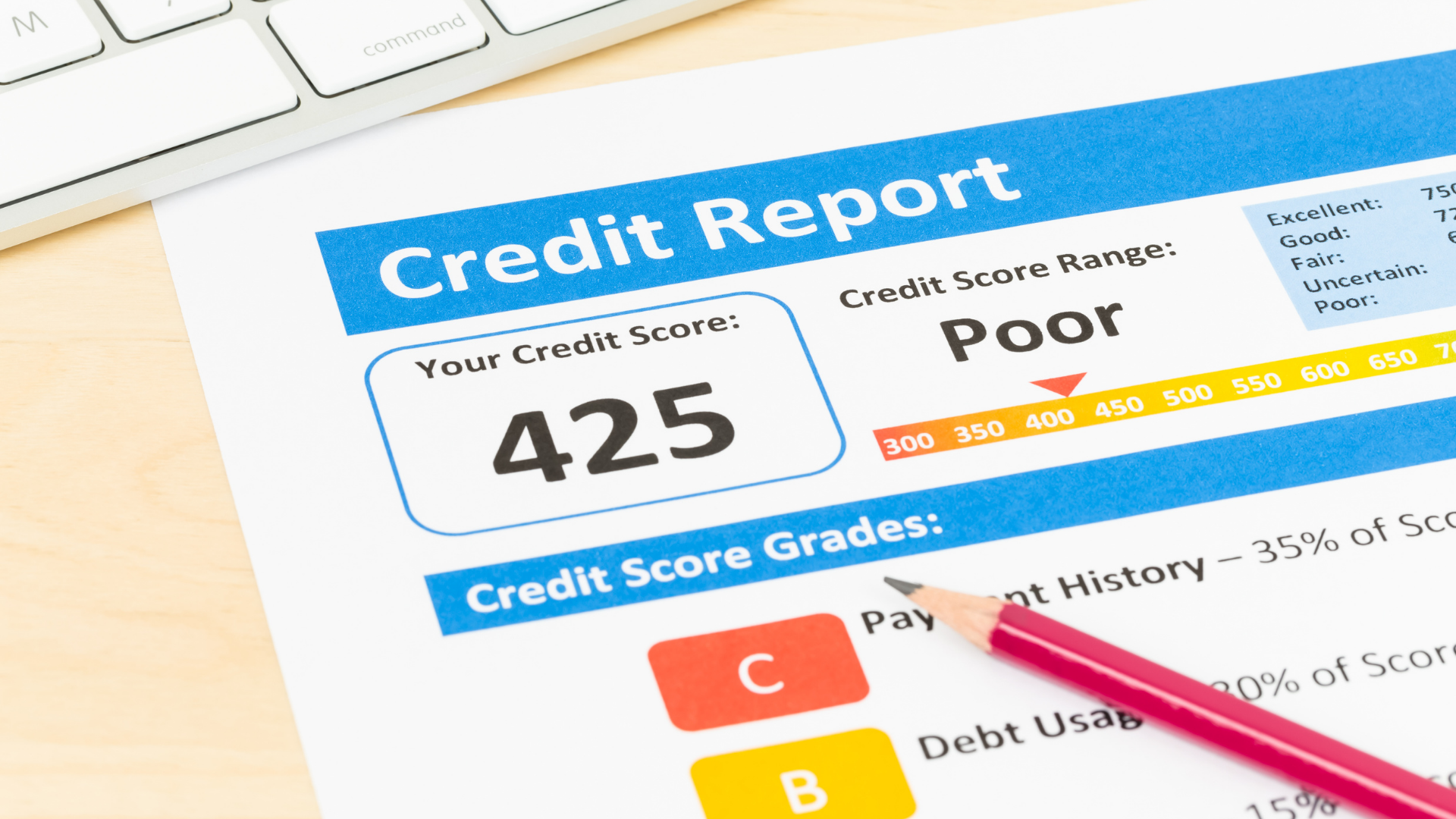
Payment history is one of the most significant factors that determine a credit score. When a scheduled payment is missed, the lender typically reports the delinquency to the credit bureaus once it becomes thirty days overdue. This late payment may contribute to a noticeable drop in the borrower’s score. Repeated missed payments can have a cumulative impact and make it more difficult to qualify for future credit.


The size of the decrease depends on factors such as the borrower’s existing credit profile and the severity of the delinquency. A missed payment that extends into sixty or ninety days may have a stronger influence and may remain on the borrower’s credit report for several years. While credit scores can recover over time, the process requires consistent on time payments and responsible credit use.

The Financial Strain Caused by Missed Payments

When a borrower falls behind, the financial complications often extend beyond credit scores. Accumulated late fees, increased interest costs, and potential collection activity can create additional pressure. These stresses may lead individuals to feel overwhelmed, which makes it more challenging to regain control of their finances.


At Portside Finance, we work with many individuals who have encountered these difficulties. Temporary setbacks can affect anyone, and a short term solution may be necessary to create breathing room and restore order to monthly obligations. A vehicle title loan may be one such option because the borrower uses the equity in their vehicle as collateral. This structure can make the loan accessible even when the borrower’s credit score has been affected by missed payments.
How a Vehicle Title Loan May Help Restore Stability

If a borrower has fallen behind on several obligations, consolidating or addressing overdue bills with a single secured loan may help prevent further damage to the credit score. A title loan provides a clear repayment schedule and allows the borrower to cover immediate costs or bring accounts current. This can stop additional missed payment entries from appearing on the credit report and may help the borrower regain control of their financial timeline.


Because the loan is secured by the vehicle, approval may be more accessible compared to unsecured loans. This provides an opportunity to stabilize finances even when credit has already been impacted. As borrowers repay the title loan on time, they begin to rebuild positive payment behavior, which can gradually contribute to the improvement of their credit profile.

Responsible Repayment Supports Long Term Improvement

While a title loan may offer short term relief, the greatest benefit occurs when borrowers follow a consistent repayment plan. Each on time payment helps demonstrate reliability and supports gradual credit recovery. Borrowers who use the loan as a tool for stabilization rather than additional spending may find that they are better positioned to manage future financial obligations.


At Portside Finance, we encourage borrowers to create a realistic budget before finalizing any loan. This includes evaluating current expenses, income, and payment timelines. When the loan is integrated into a sustainable plan, it becomes a practical resource for restoring financial order.

A Path Toward Financial Recovery

Periods of financial strain do not define a person’s long term financial potential. Missed payments may affect credit scores, but borrowers can rebuild through responsible financial decisions and structured repayment. A vehicle title loan may offer a pathway to regain stability and prevent further credit damage when used with care and intention. At Portside Finance, we help borrowers move forward with greater clarity by offering accessible secured loan options designed to support responsible financial management.


April 8, 2026
Financial stability is often associated with steady income and consistent budgeting. While these factors are important, they do not eliminate uncertainty. Unexpected expenses and temporary disruptions can arise at any time. A financial backup plan helps address these situations before they become larger problems.  A well-structured plan does not require perfection. It requires preparation, awareness, and access to appropriate financial tools.
March 31, 2026
Financial health is often discussed, but it is not always clearly defined. Many people associate it with income level or savings, yet it is more accurately understood as a combination of habits, stability, and the ability to manage financial obligations over time. A person with strong financial health is not necessarily someone who earns the most, but someone who can meet expenses, plan ahead, and respond to unexpected situations without significant disruption.  Understanding what financial health means is the first step toward improving it.
March 24, 2026
Credit cards are one of the most widely used financial tools in the United States. Millions of people rely on them for everyday purchases, emergency expenses, and short-term financial flexibility. While credit cards can be useful when managed responsibly , many households carry balances that grow over time and become difficult to pay off.  Understanding why people rely so heavily on credit cards requires looking beyond interest rates and payment schedules. Human behavior, psychology, and financial stress all influence borrowing decisions. The way people think about money often plays a significant role in how they use credit. By understanding these psychological factors, borrowers can make more informed decisions about when and how to use credit.
March 17, 2026
Financial advice often emphasizes the importance of building an emergency savings fund. Having money set aside for unexpected expenses is one of the most effective ways to maintain financial stability. However, even the most carefully planned savings strategy cannot anticipate every situation. Emergencies can arise that exceed what someone has been able to save.  For this reason, emergency savings and responsible borrowing are often most effective when they work together. When used thoughtfully, a small personal loan can provide financial flexibility that helps individuals manage unexpected costs without relying on high-interest credit cards or falling behind on essential obligations. Understanding how these two financial tools complement one another can help people make better decisions when facing financial uncertainty.
March 10, 2026
Credit cards are one of the most widely used financial tools in the United States. They offer convenience, flexibility, and immediate access to purchasing power. However, for many Americans, credit cards have also become one of the largest sources of personal debt. Over time, the structure of revolving credit can make it extremely difficult to escape balances once they begin to grow.  As more households struggle with rising costs and higher interest rates, the national credit card debt situation has become a serious financial challenge. For some borrowers, small personal loans can provide a more predictable and manageable alternative to revolving credit.
March 3, 2026
Financial emergencies rarely give advance notice. A sudden car repair, medical expense, or urgent household bill can disrupt even the most carefully planned budget. When savings are limited, many people turn to either credit cards or short-term loans to bridge the gap. Understanding the differences between these two options can help borrowers make informed, responsible decisions that protect their long-term financial health.  At Portside Finance, we believe that clarity and transparency are essential when evaluating short-term financial tools. Both credit cards and small loans can serve a purpose. The key is knowing when each option makes sense.
February 24, 2026
Job loss can disrupt even the most carefully managed financial plans. Whether caused by layoffs, restructuring, or unexpected personal circumstances, a sudden interruption in income requires a clear and structured response. The first days and weeks following job loss often feel uncertain, but taking deliberate steps can help stabilize your situation and protect long-term financial health.  A financial recovery plan begins with a realistic assessment of your current position.
February 18, 2026
Needing financing when you have little or no credit history can feel frustrating. Many traditional lenders rely heavily on established credit profiles to evaluate risk. If you are new to credit or have not borrowed in several years, you may find that your limited history works against you, even if you are financially responsible.  The good news is that limited credit history does not automatically mean limited options. With preparation and the right approach, it is possible to secure financing responsibly while also building a stronger financial foundation for the future.
February 11, 2026
When people think about borrowing money, the focus is often on the size of the loan. How much can be borrowed, how quickly funds are available, and whether the amount will cover an immediate need tend to dominate the decision making process. However, from a financial health perspective, the structure of repayment often matters far more than the dollar amount itself.  Predictable payments are one of the most important factors in responsible borrowing and long term financial stability.
February 4, 2026
Short term credit can be a useful financial tool when it is used intentionally and managed carefully. Many people rely on short term loans to cover unexpected expenses, bridge temporary cash flow gaps, or address urgent needs. Problems arise when borrowing decisions are made without a clear plan for repayment. Understanding how to use short term credit responsibly can help individuals meet immediate needs while avoiding long term financial strain.
More Posts